





The Initial Shockwave
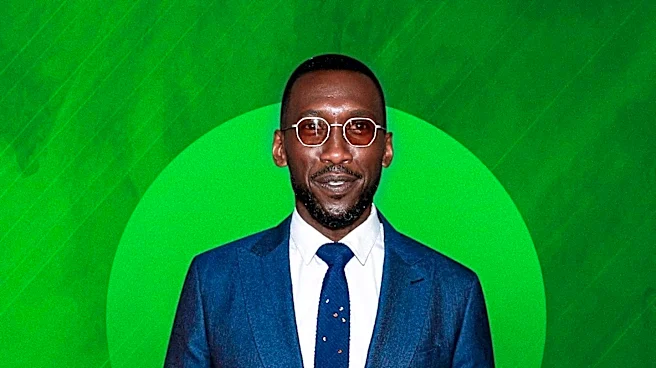
It begins with a social media post or a dramatic reveal at a fan convention. When Marvel Studios brought Mahershala Ali on stage at Comic-Con in 2019 to announce him as the new Blade, the reaction was immediate and electric. It wasn't just news; it was a statement
of intent. Here was a two-time Oscar winner, known for his incredible dramatic depth, taking on a character previously defined by Wesley Snipes' cool, action-heavy portrayal. The announcement instantly elevated the project, promising a more complex, prestigious take on the vampire hunter and signaling a darker, more mature direction for a corner of the Marvel Cinematic Universe (MCU). This is the first, most visible effect: a single casting choice serves as a powerful piece of marketing and brand management, capable of generating millions of dollars in free press and online engagement.
Rewriting the Narrative Future
A casting announcement is more than just filling a slot; it's a creative pivot. The choice of Robert Pattinson for "The Batman" is a prime example. After Ben Affleck’s brawny, world-weary Caped Crusader, Pattinson’s casting signaled a hard shift. Known for intense, transformative roles in independent films like "Good Time," his involvement immediately suggested a grittier, more psychological thriller. Director Matt Reeves even admitted he started writing the script with Pattinson in mind. The actor’s persona became a foundational element of the story, promising a narrative focused on Bruce Wayne's early, obsessive years as a detective, a stark contrast to previous cinematic versions. An actor doesn’t just perform the script; their specific brand of charisma, physicality, and past roles informs how the story itself will be written and received. Each actor brings a unique history and set of audience expectations that can either reinforce or completely subvert a character's legacy.
The Slate-Wide Domino Effect
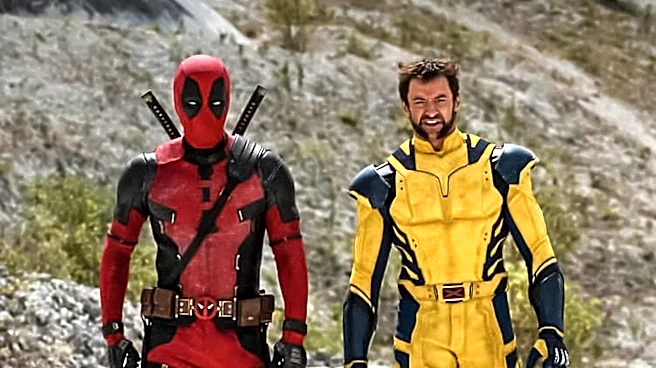
In today’s interconnected slates, one inspired piece of casting doesn’t just affect one film—it reverberates across the entire universe. Hugh Jackman’s career-defining portrayal of Wolverine is a testament to this. Initially an unknown theater actor who was a last-minute replacement, Jackman's mix of ferocity and vulnerability became the anchor of the Fox X-Men franchise for nearly two decades. His performance was so iconic that it dictated the tone of the entire series and made him the central figure, even in team-up movies. His recent return in "Deadpool & Wolverine" further complicates things for Marvel's planned X-Men reboot, creating a massive shadow for any future actor to escape. A powerful casting choice sets a new gold standard, forcing a studio to either match that energy in other projects or risk having other parts of their universe feel dated or less exciting by comparison.
A High-Stakes Gamble
Of course, this reframing is a high-stakes bet that doesn't always pay off. Initial backlash is common, as seen with Pattinson's casting, which generated online petitions before a single frame was shot. While that gamble succeeded, others stall out. The initial euphoria around Mahershala Ali's Blade has been tempered by years of development struggles, including multiple writers, directors, and script overhauls that have reportedly frustrated the star and left the project's future uncertain. A promising announcement can curdle into a cautionary tale about creative indecision. When a studio pegs the entire tone and direction of a future blockbuster on one person, any subsequent turbulence—be it creative differences or scheduling conflicts—is magnified. It highlights the inherent risk: a single casting choice can be a franchise’s salvation or a self-inflicted wound.