





What 'Event Cinema' Usually Means
For most of the film industry and audiences, 'event cinema' has a clear and established definition. It’s the practice of using movie theaters to show content that isn't a traditional feature film. Think live-streamed concerts from global pop stars, encore
performances of sold-out stage plays, blockbuster boxing matches, and gala nights at the Metropolitan Opera. This model has been a clever way for theaters to boost attendance, especially on weekdays, and attract different demographics who might not show up for the latest superhero flick. It turns a local cinema into a portal for experiencing a major cultural or sporting moment happening elsewhere, offering a communal viewing experience without the high cost or travel. The appeal is simple: you get the big screen, the big sound, and the energy of a crowd, whether you're watching a ballet or a comedy special.
London's Arthouse Reinvention
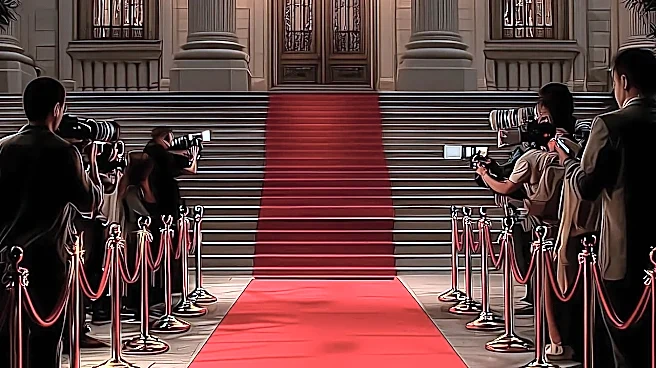
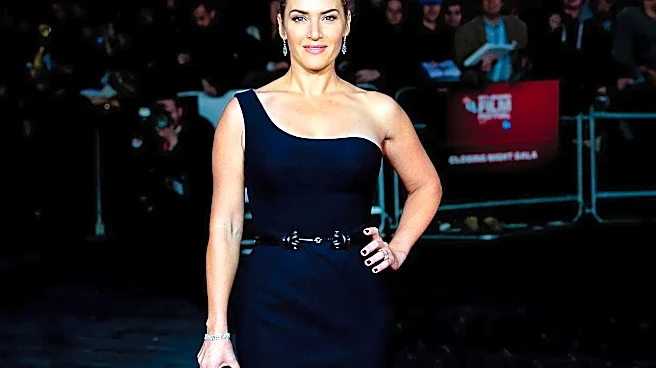
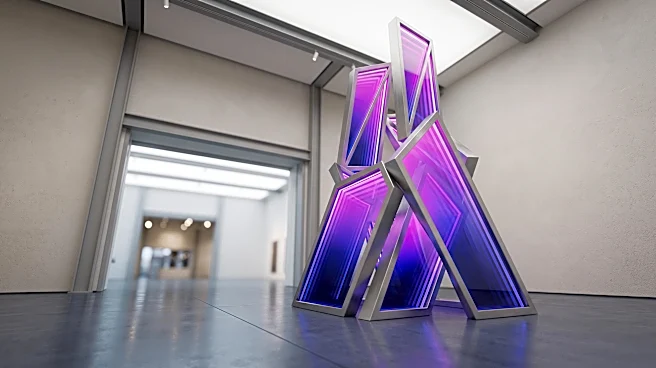
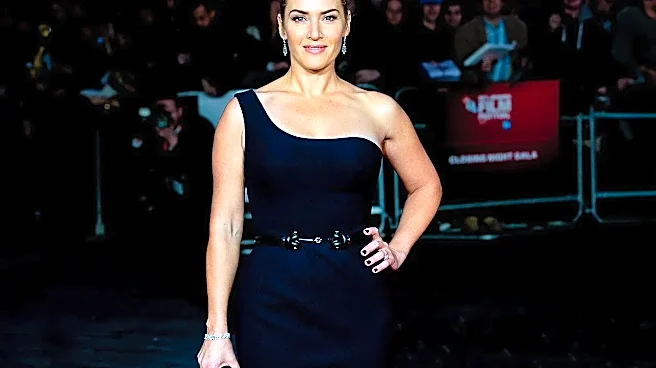
The BFI London Film Festival, now in its 70th year, is taking a completely different approach. Here, the 'event' isn't something beamed in from a stadium or an opera house; the film screening is the event. The festival is pushing the boundaries of what a cinematic experience can be, turning it into something more participatory and unique. This isn't just about a premiere with a red carpet. The festival's vision involves asking what happens when the screen is no longer just a flat surface but a space you can enter, influence, or interact with. It's a shift from passive viewing to active participation, a philosophy embedded in its 'LFF Expanded' program, which deliberately blurs the lines between cinema, art installation, and video games.
Beyond the Screen: VR, AI, and Immersive Art
This year's festival, running from October 7th to 18th, puts this new definition into practice with a slate of mind-bending projects. The 'LFF Expanded' program is the heart of this initiative, featuring nine works that use virtual reality (VR), mixed reality (MR), artificial intelligence (AI), and interactive games. For example, 'Water Body' is an immersive installation that traces the flow of water through landscapes and even our own bodies. Another piece, 'Red the Ocean Around U,' is an AI-guided digital world that changes based on each visitor's presence, flipping the script by having the AI ask the questions. There are also powerful mixed-reality documentaries like 'Solwata,' narrated by Mark Ruffalo, which puts audiences on the front lines of climate change in the Solomon Islands. These aren't films you just watch; they're narrative spaces you inhabit.
Why This New Definition Matters
In an era dominated by streaming, getting people to leave their couches for a night at the movies is a constant challenge. The BFI's approach offers a compelling answer. Instead of competing with streaming services on their own terms (convenience and content volume), the festival is offering something streaming can't replicate: a unique, physical, and communal experience that can only happen in a specific place and time. By curating events that blend film with cutting-edge technology and art, the festival is not just showing movies; it's creating singular cultural moments. This positions the film festival as a laboratory for the future of storytelling, where artists are given the tools to 'synthesise our times,' as artistic director Kristy Matheson puts it. It suggests a future where going to the cinema is less about passively consuming a story and more about actively engaging with it, making the audience a vital part of the experience.