



The Perfect Storm: Home Soil and Rising Stars
For decades, the American approach to the men’s World Cup was a simple, hopeful question: will this finally be the year soccer breaks through? In 2026, that question is obsolete. The breakthrough already happened. Co-hosting the world’s biggest sporting
event is just the accelerant on a fire that was already burning. Data from before the tournament showed a significant rise in soccer interest, especially among younger Americans. One pre-tournament study found 12% of Americans actively followed soccer, a figure that nearly doubled to 22% for 18-to-34-year-olds. This isn't the niche sport of the 1994 World Cup. This is a public whose interest has been cultivated by the Premier League's weekend ritual, the video-game familiarity of FIFA, and the slow, steady growth of Major League Soccer. Add a U.S. team with players competing in Europe’s top leagues, and you have the most culturally relevant American squad in history, playing the biggest games of their lives in their own backyard. The stage was set for an explosion of interest long before the first whistle.
The Media Machine Is Primed and Ready
The real difference in 2026 isn't just fan interest; it's the media ecosystem waiting to feast on it. Previous World Cups were major events, but the coverage existed in a designated lane. Now, that lane has merged with the eight-lane superhighway of American sports media. The USMNT’s dramatic Round of 16 exit to Belgium wasn't just a sports story; it was a national television event that became the most-watched soccer telecast in U.S. history, attracting over 33 million viewers and peaking at 41 million. That’s not a niche audience; that's a number that rivals NFL playoff games. Furthermore, the sports media itself has evolved. Outlets like The Athletic have invested heavily, treating the tournament with the depth and breadth once reserved for the NFL or NBA. This comprehensive coverage, from tactical deep dives to breaking news about player suspensions, feeds a 24/7 news cycle that demands storylines, heroes, and villains.
Enter the Tabloid Cycle: Celebrities, Betting, and Drama
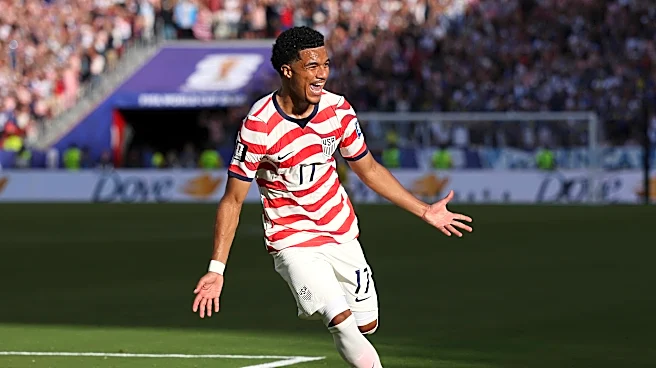
This is where the tournament transcends sport and becomes pure American spectacle. The 2026 World Cup is being processed through three cultural filters that barely existed on this scale a decade ago: celebrity obsession, legalized sports betting, and social media drama. The celebrity presence at matches has been impossible to ignore, with everyone from Tom Cruise to Brad Pitt and Paris Hilton turning stadiums into the new red carpet. This transforms players into personalities and games into A-list events, a crucial ingredient for tabloid-style coverage. Simultaneously, this is the first men's World Cup in a landscape of widespread legal sports betting in the U.S. The tournament has been projected as the biggest gambling event in history. This changes how people watch, turning every corner kick and yellow card into a financial event and fueling a massive sub-industry of betting-focused content and analysis. Finally, there's the drama. Before and during the tournament, storylines emerged that were tailor-made for hot takes and endless debate, from the controversy over Folarin Balogun's red card suspension to the post-mortem on Christian Pulisic’s performance. The team’s devastating 4-1 loss to Belgium wasn’t just a defeat; it was content, sparking debates about the coach, the players' legacies, and the future of the program.
A Double-Edged Sword for American Soccer
This massive, multi-faceted attention is the ultimate double-edged sword. On one hand, it represents the dream: soccer as a truly mainstream American cultural event, discussed with the same passion and intensity as any other major sport. The record-breaking viewership and engagement are undeniable signs of growth. The U.S. is no longer just hosting the party; it is the party. On the other hand, this level of scrutiny brings immense pressure. When a team's performance is filtered through celebrity sightings and betting odds, the narrative can quickly spin out of control. The disappointment following the USMNT's exit was palpable, with some commentators calling the generation's legacy a failure. The question is no longer if America will pay attention to soccer, but rather if the sport’s institutions, from the national team to the domestic leagues, are prepared for the full, unrelenting glare of the American media machine. The tabloid cycle builds stars, but it can also burn them out.