

The Ultimate Blank Canvas
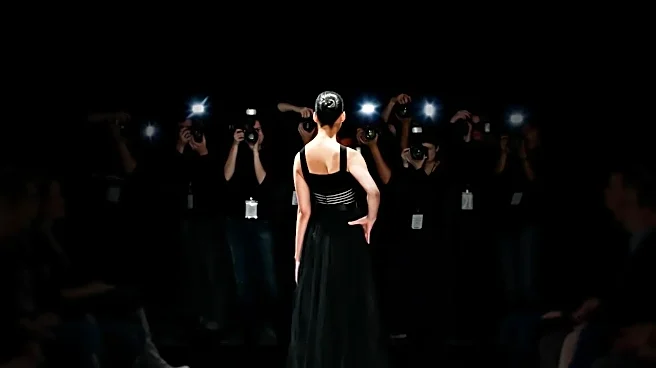
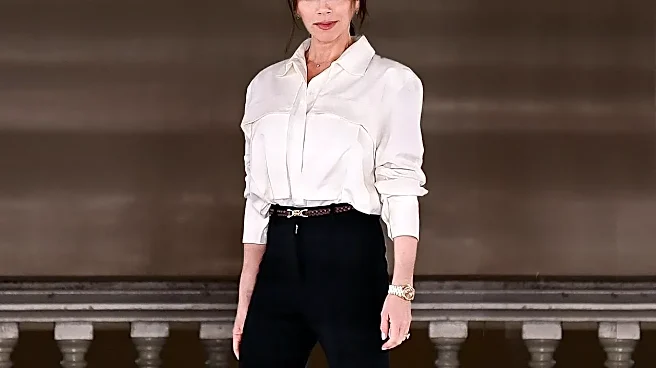
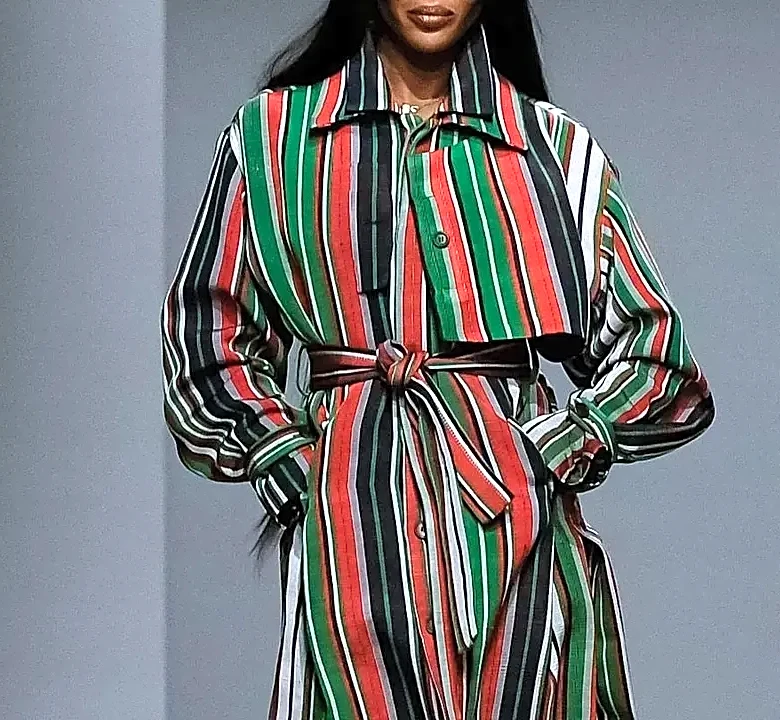
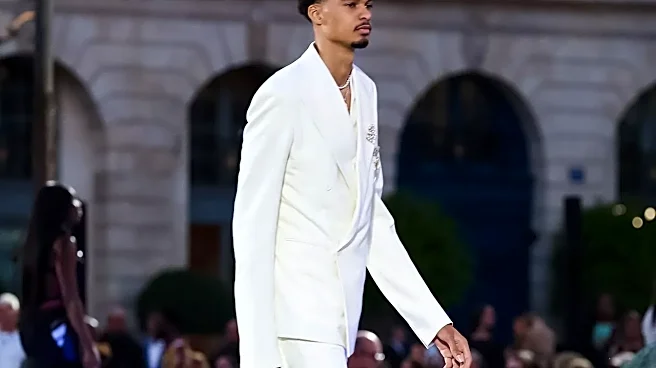
On a purely practical level, slicked-back hair is a designer's best friend. High fashion shows are meticulously orchestrated to spotlight the clothes, the craftsmanship, and the overall vision of the collection. A simple, severe hairstyle creates a uniform
look across all models, ensuring that the audience's attention remains on the garments and accessories. As one hairstylist noted, year after year, you can count on this look being in fashion because it enhances rather than competes with loud trends and bold makeup. By pulling the hair away from the face, it creates a clean palette that highlights the model's features and the designer's work without distraction. It’s the sartorial equivalent of a gallery hanging a masterpiece against a plain white wall—it lets the art speak for itself.
A Century of Power and Rebellion
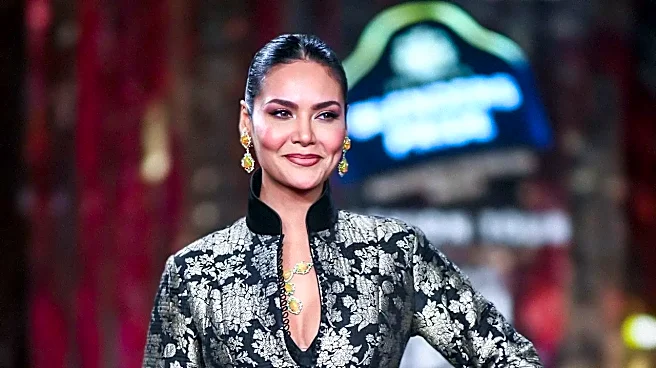
The style’s endurance goes far beyond practicality. Slicked-back hair is steeped in a rich history of power, rebellion, and shifting gender norms. Its origins trace back to the early 20th century, first as a practical choice for workers and later as a polished look for the financial elite. By the 1950s, it was co-opted by icons of youthful rebellion like Elvis Presley and James Dean, who transformed the prim style into a symbol of greaser edge and rock 'n' roll energy. In the 1980s, it resurfaced as the ultimate power move in boardrooms, epitomized by Michael Douglas's Gordon Gekko in "Wall Street." On women, the style has often been used to signal androgyny and authority—a clean, sharp look that borrows from masculine codes to project confidence and control. This historical weight gives the style a subconscious resonance on the runway; it’s a shorthand for sophistication and power.
The Modern 'Clean Girl' Connection
In recent years, the slicked-back look has found a new life off the runway, thanks to its viral popularity on social media. The 'clean girl' aesthetic, which champions a minimalist, put-together appearance, has made the slick-back bun or ponytail a go-to style. This trend, popularized by influencers and celebrities like Hailey Bieber, instantly elevates an outfit, providing what many describe as an immediate confidence boost. The style's versatility is key; it works for nearly any hair texture and can be adapted into a high ponytail, a low bun, or a half-up style. This cultural ubiquity creates a feedback loop. As the look becomes a staple in everyday fashion, its appearance on the runway feels both aspirational and relevant, connecting the rarified world of high fashion to a look real people are already wearing.
An Expression of Health and Luxury
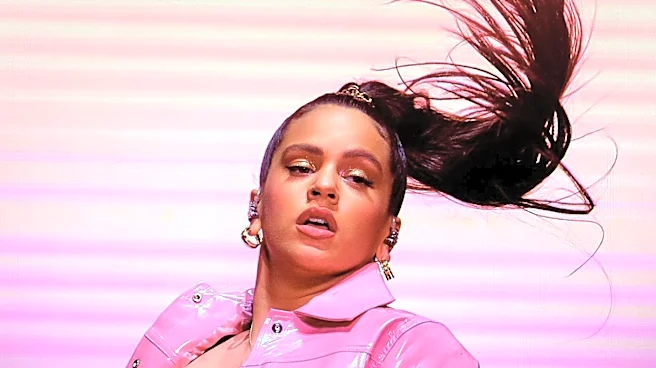
Finally, there’s the distinct visual language of the 'wet look' itself, a popular variation of the slicked-back style. This high-gloss finish, often achieved with gels, pomades, and shine sprays, mimics the appearance of damp, hydrated hair. The effect suggests a kind of effortless, post-activity glow—as if the model has just emerged from a swim in the ocean or a luxurious spa treatment. This modern interpretation feels less about stiff perfection and more about a soft, lived-in glamour. It taps into a broader beauty trend that favors touchable textures and a healthy sheen over rigid styling. On the runway, this hydro-chic aesthetic communicates vitality and a certain nonchalant luxury, making it a powerful tool for storytelling in a collection. It’s a look that’s both intentionally crafted and effortlessly cool, a contradiction that high fashion loves.