








High-Quality Spandex Blends
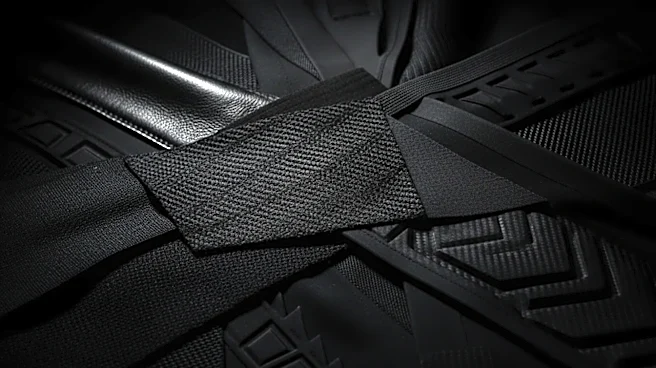
For any superhero, space explorer, or form-fitting fantasy character, a quality spandex blend is non-negotiable. Cheaper options may look fine for one photo, but they often lack good stretch recovery, meaning they can get baggy at the knees and elbows
after a single day of wear. Investing in a nylon-spandex or a branded Lycra fabric makes a huge difference. These higher-grade materials are engineered for performance, offering four-way stretch that snaps back into place. They are also more durable, less likely to tear, and better at retaining vibrant colors after washing, which is crucial for a costume you plan to wear to multiple conventions. While the initial cost per yard is higher, the superior fit, comfort, and longevity make it a wise investment.
Polyester Twill and Canvas
Not every costume is a sleek bodysuit. For structured garments like military-style jackets, school uniforms, or rugged adventurer gear, durable woven fabrics are essential. Polyester and its blends are workhorses in cosplay for a reason: they are incredibly durable, resist wrinkles well, and hold color brilliantly. A polyester twill, for instance, provides the structure and clean lines needed for a Starfleet uniform or a character's signature coat. Cotton canvas is another excellent choice for items that need to feel sturdy, like bags, belts, or rustic tunics. These fabrics are generally affordable and easy to sew, but choosing a mid-weight or heavy-weight version ensures your garment won't tear or stretch out of shape after a long day of navigating crowded convention halls. Their durability means they can withstand multiple wears and careful cleaning, preserving your hard work.
EVA Foam for Armor and Props
When it comes to armor, EVA foam is the king of cost-effective durability. Available in various thicknesses, from thin sheets for detailed work to thick floor mats for major armor pieces, it's lightweight and relatively easy to work with using just a heat gun and a utility knife. While it's known as a budget-friendly option, its value for repeat wear comes from its resilience and repairability. Unlike brittle materials, EVA foam has some flex, allowing it to absorb minor bumps without shattering. If a piece does get damaged, it's simple to patch with off-cuts and adhesive. When properly sealed and painted, EVA foam armor can look like metal but remains comfortable enough to wear all day, year after year. It provides a professional look without the high cost and fragility of other materials.
Worbla and Other Thermoplastics
For cosplayers ready to level up their armor and prop-making, thermoplastics like Worbla are a significant but often justified expense. These materials become soft and moldable when heated, allowing for incredibly detailed and complex shapes that would be difficult to achieve with foam alone. Once cooled, they become rigid and extremely durable. The key benefit for repeat wear is this durability; Worbla pieces can withstand far more abuse than their foam counterparts. Furthermore, Worbla is self-adhesive when heated, and scraps can be heated and mushed together, meaning almost no material is wasted. While the initial investment is high, a single set of Worbla armor can last for years of conventions, making it a prime example of earning its price through sheer resilience.
Quality Faux Leather
From gritty anti-heroes to steampunk inventors, faux leather is a cosplay staple for jackets, boots, belts, and armor pieces. However, there is a vast difference between cheap, papery pleather and high-quality synthetic leather. Inexpensive options are notorious for flaking and cracking, sometimes after only one use, especially in areas that bend or stretch. Investing in a thicker, fabric-backed synthetic leather pays for itself in longevity. Look for materials with some heft and a slight stretch. These are not only more durable but also easier to sew and give a more realistic appearance. A well-made faux leather jacket or set of vambraces can be the centerpiece of a costume for many seasons, easily justifying the higher upfront cost by avoiding the need for constant repairs or replacements.