




The Peak of the Cable Bundle
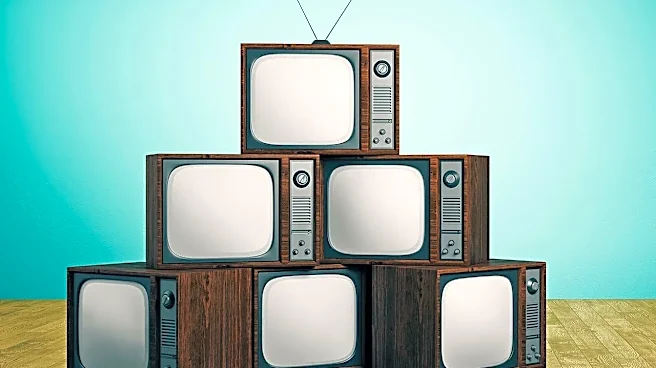
For decades, the cable bundle was the default. It was a simple, if expensive, proposition: one bill for hundreds of channels, covering everything from 24/7 news and live sports to blockbuster movies and sitcoms. This model trained generations of viewers
to see television as a passive experience delivered to a single screen. Cable companies were gatekeepers of content, and the living room television was their temple. By 2015, however, the foundation was cracking. While 76% of Americans still watched cable then, the seeds of disruption had already sprouted, promising a world where you only paid for what you wanted to watch.
The Great Unbundling Begins
Netflix was the catalyst. By popularizing on-demand, ad-free viewing, it fundamentally altered consumer expectations. Suddenly, waiting for a specific time to watch a show felt archaic. This sparked the "cord-cutting" phenomenon, as millions of households began ditching pricey cable packages for more flexible streaming alternatives. By the end of 2025, pay-TV providers had lost over five million subscribers in that year alone, and the number of U.S. households without a traditional subscription was climbing toward two-thirds. But this new freedom created its own problem: the dreaded "streaming fatigue," as viewers found themselves juggling multiple subscriptions to access all their favorite content, sometimes spending as much as they did on cable.
The Screens Multiply
While streaming services battled for the living room TV, a more profound shift was happening in our hands. Smartphones and tablets evolved from companion devices into primary screens for video consumption. By 2026, U.S. adults average between four and five hours of daily phone use, a significant portion of which is dedicated to video on platforms like TikTok and YouTube. This normalized a fragmented, always-on viewing habit. A 2026 consumer report found that 78% of viewers now use a second device while watching TV, scrolling social media, messaging friends, or shopping online. The main screen was no longer the sole focus; it was just one part of a larger, interactive media ecosystem.
The 2026 Viewing Cocktail
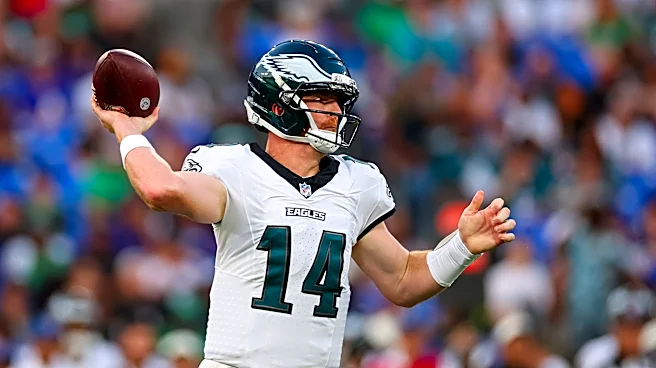
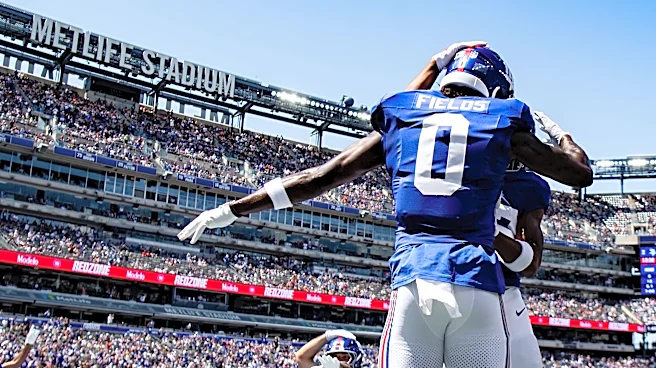
Today's viewing routine is a custom blend of sources and screens. A typical evening might involve a live NFL game streaming via a service like ESPN's bundle on the smart TV, while a tablet plays a prestige drama from Netflix or the newly merged Paramount-Warner Bros. platform. Simultaneously, a smartphone provides a constant stream of social commentary, short-form video clips, and group chats discussing the game. This routine is further supplemented by the rapid growth of Free Ad-Supported Streaming TV (FAST) channels, which mimic the passive, channel-surfing experience of old cable but within the new streaming paradigm. This hybrid approach is the new normal, with ad-supported tiers becoming a core part of the business model for nearly every major streaming service.
Where Cable Makes Its Last Stand
So, where does this leave traditional cable in 2026? It's cornered, but not completely defeated. Its primary remaining strongholds are live news and, to a lesser extent, regional sports, which can be difficult to access otherwise. However, even these pillars are eroding. Major sports leagues have increasingly moved marquee games to exclusive streaming deals, and the convenience of getting news clips on social media has lessened the urgency of 24/7 cable news for many. In response, some cable providers are pivoting, focusing on providing high-speed internet—the very connection that enables their streaming competitors—and developing their own apps and platforms to try and keep viewers within their ecosystem. But the days of being the main event are definitively over.