





Hot Take #1: Star Power Is a Trap
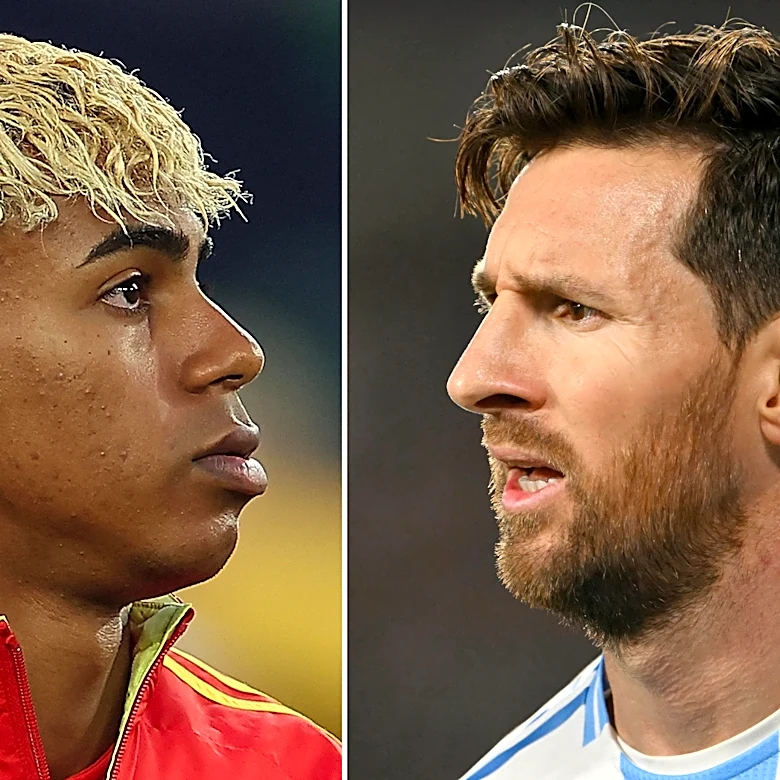
Every tournament has its marquee names, the superstars expected to carry their nations to glory. But the 2026 World Cup is quietly rewarding systems over soloists. Look at the teams that have stumbled. The U.S. men's team, despite its heralded "golden
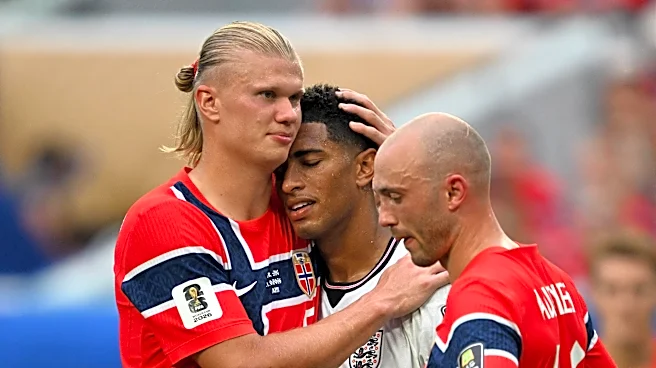
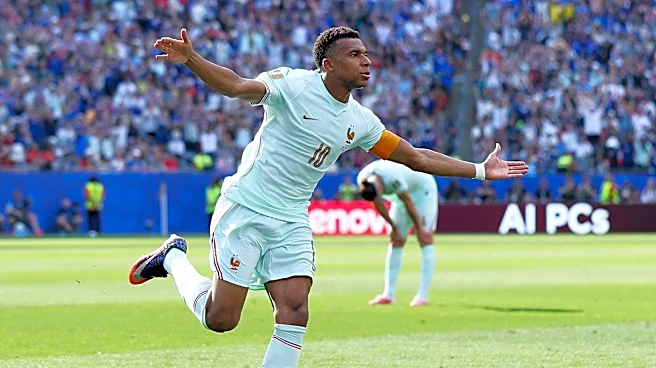
generation," fell to Belgium 4-1 in the round of 16, a stage they can't seem to surpass. Meanwhile, Norway, built around a superstar but playing as a cohesive unit, managed to shock Brazil. The real winners aren't the teams with the single biggest star, but those whose entire squad functions as a well-oiled machine. It suggests that depending on one player, no matter how brilliant, is a fragile strategy in a tournament this demanding. The teams built on collective identity and tactical discipline, like Spain and France, are the ones advancing deep.
Hot Take #2: The 'Cinderella Story' Is a Battle-Hardened Giant Killer
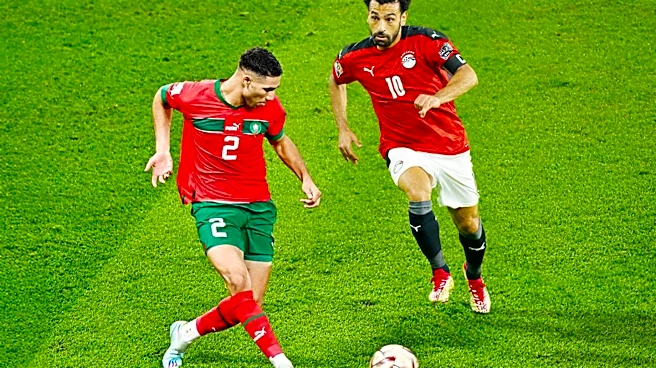
The term 'underdog' feels wrong for the teams making surprise runs this year. Take Cape Verde. In their first-ever World Cup, they held powerhouse Spain to a draw in the group stage and took defending champion Argentina to extra time in a dramatic 3-2 match. This wasn't a fluke; it was a display of tactical organization and resilience. Similarly, Morocco, after their deep run in 2022, proved it was no accident by reaching the quarterfinals again, only losing a hard-fought match to France. These aren't plucky dreamers happy to be here. They are well-coached, tactically astute teams that are closing the gap on the traditional giants. The expanded 48-team format was expected to create more lopsided games, but teams like Cape Verde have shown they can compete, making the tournament far more unpredictable and exciting.
Hot Take #3: Resilience Trumps a Perfect Group Stage
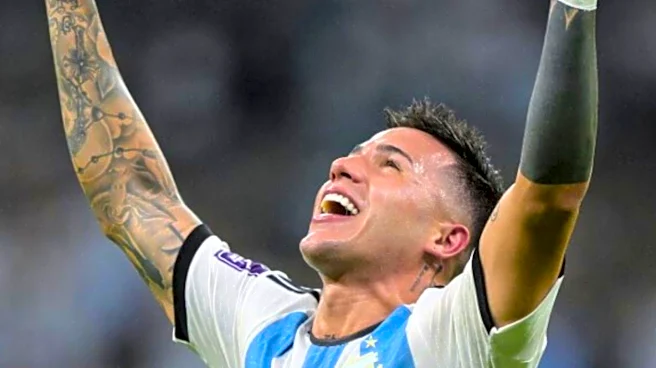
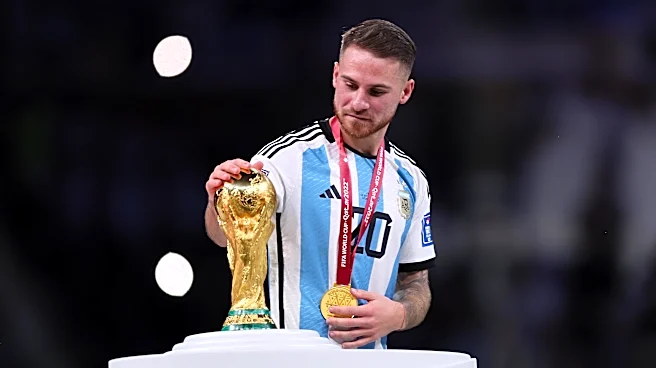
Cruising through the group stage looks great on paper, but it might be the worst preparation for the brutal realities of knockout football. The teams that have been tested, the ones that have had to grind out results and face adversity early, are the ones showing the most grit now. Argentina is the perfect example. The defending champions have had a bumpy road, needing extra time to get past both Cape Verde and Switzerland and mounting dramatic comebacks. While other teams were winning comfortably, Argentina was forging its resilience. This battle-hardening is a huge advantage when facing the immense pressure of a semi-final. It teaches a team how to win ugly, how to suffer, and how to find a goal when everything is on the line—qualities that a flawless group stage simply can't instill.
Hot Take #4: Adaptation Is the New Identity
For years, top teams were defined by a singular philosophy, like Spain's tiki-taka. In 2026, a fixed identity is a liability. The teams thriving are tactical chameleons. Spain, for instance, has moved beyond just possession, showing a ruthless ability to score clinical late goals to see off Portugal and Belgium. France has balanced its incredible attacking talent with arguably the strongest central defense in the tournament. The most successful managers are treating their 26-man squads not as a starting XI with backups, but as a tactical toolkit. With the grueling schedule of an expanded tournament, the ability to rotate players and switch formations to counter specific opponents is proving more valuable than sticking to one system, no matter how beautiful it is.