








The Instant Handshake
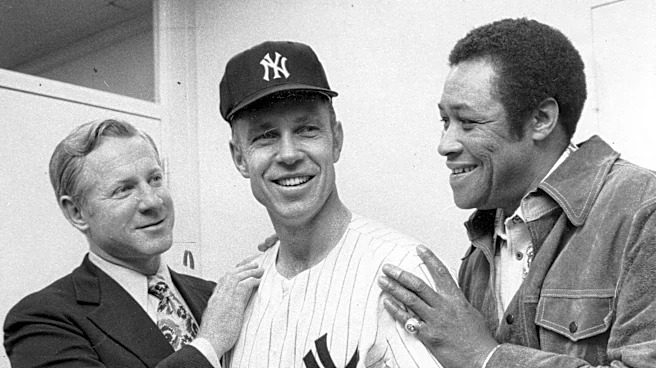
Walk into a bar in a city you’ve never visited. If you’re wearing a New York Yankees cap, and you see someone else in the same gear, there’s an immediate, unspoken connection. It’s an instant, non-verbal handshake that says, “I know something about you,
and you know something about me. We’re in this together.” This is the first and most basic power of the team shirt. It’s a signal, a beacon for your tribe. In a world that often feels fragmented and anonymous, pulling on a jersey is a simple way to announce who you are and where your loyalties lie. It cuts through social awkwardness, bypasses small talk, and gets right to a shared passion. That stranger across the room isn't a stranger anymore; they're a fellow sufferer, a co-celebrant, an ally in a war of meaningless, beautiful games.
A Uniform of Belonging
Humans are wired for community. We seek out groups that reflect our values and give us a sense of place. For millions, sports teams provide that framework. The shirt, then, becomes the uniform of this chosen family. It transforms a stadium of 50,000 individuals into a single, roaring entity—a sea of unified color. When your team scores, you’re not just high-fiving the friends you came with; you’re embracing strangers, united in a moment of pure, unadulterated joy. The shirt is the admission ticket to this temporary utopia. It signifies that you’ve opted in, that you’ve bought into the collective emotional investment. It says you’re willing to have your heart broken on a last-second field goal, because you know you won’t be feeling it alone. It’s a public vulnerability that paradoxically makes you feel stronger.
Armor for the Soul
There’s a strange defiance in wearing your team’s colors the day after a devastating loss. It’s a subtle act of resilience. You walk into the office, head held high, silently communicating to the fan of the rival team that your loyalty is unshaken. The shirt becomes a kind of armor. It protects you not from the loss itself, but from the idea that the loss defines you. It says, “Yes, they lost. But we are still here.” This extends beyond the game. In our own lives, when things are difficult, the certainty of sports fandom—the reliable schedule, the clear lines of rivalry and allegiance—can be a comforting structure. Putting on that shirt is a reminder of something consistent, a passion that endures outside of personal or professional chaos. It’s a small, wearable piece of hope and identity in a world that often tries to strip both away.
The Cost of Devotion
Of course, this strange joy is not without its modern complications. A new, “authentic” jersey can cost upwards of $150. We are, in essence, paying a premium to be walking billboards for a billion-dollar enterprise. It’s easy to be cynical about the commercialization of this pure fan impulse. And yet, people pay it. They pay it because the value isn’t in the stitching or the advanced moisture-wicking fabric. The value is in what the shirt represents: access to community, a badge of identity, a link to childhood memories of watching games with a parent. We know we’re participating in a commercial transaction, but we justify it because the emotional return on investment feels so high. It’s the price of admission for feeling like part of something bigger than ourselves, a willing tribute to the teams that color our lives.