






The Core Agreement: Free Labor for Fandom
At the heart of the CMA Fest model is a simple, almost unbelievable premise: the artists, from stadium-headlining superstars to up-and-comers, perform for free. In an industry defined by massive performance fees, this seems like a terrible business decision.
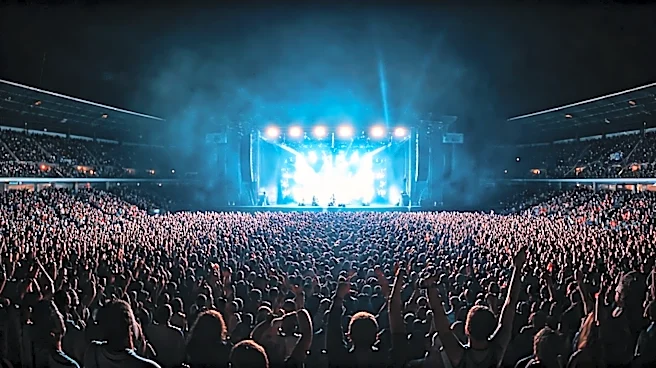
But it’s the cornerstone of the festival’s unique economy. By waiving their fees, artists aren't giving away their work; they're making a strategic investment. In exchange for a few hours on stage, they gain direct, unfiltered access to tens of thousands of the most dedicated country music fans on the planet. These aren’t casual listeners. They are the super-fans who travel from all 50 states and dozens of countries, the ones who buy albums, stream playlists religiously, and purchase concert tickets for multiple tour stops. Performing at CMA Fest is an artist’s single most efficient opportunity to connect with this core demographic, reinforcing loyalty with existing fans and winning over new ones in a high-energy, concentrated environment.
Defining the 'Currency' of Access
So what does this “access” actually look like? It’s far more than just a performance. CMA Fest is a sprawling, four-day ecosystem of fan engagement. The currency is traded at countless touchpoints. It’s the handshake and the selfie at a formal meet-and-greet inside the Fan Fair X hall. It’s the surprise acoustic set on a tiny pop-up stage sponsored by a brand. It’s an artist taking over a brand’s Instagram for an hour, giving fans a “behind-the-scenes” glimpse. For fans, a four-day pass isn't just a ticket to see dozens of acts; it's a lottery ticket for a potential personal moment with a favorite star. This perceived proximity—the chance to be in the same space, to get a photo, to feel seen—is the product. The Country Music Association masterfully facilitates this exchange, creating a marketplace where the desire for connection is met with an unprecedented supply of artist availability. The result is an experience that feels intimate and exclusive, even amidst crowds of 90,000 people.
The Long-Term Return on Investment
The true value of this currency isn’t realized over the four days of the festival. It pays dividends for months and years to come. A fan who gets a signed photo from a new artist is exponentially more likely to seek out their music on Spotify, buy a ticket when their tour comes to town, and tell their friends about them. For a superstar, that moment of connection solidifies their place in a fan’s personal hierarchy, ensuring continued support in a crowded market. This isn't just about feeling good; it's about data and behavior. The festival functions as a massive, real-world focus group. Labels and management teams watch which new artists draw the biggest crowds at the free daytime stages. They see which merchandise sells out. This direct feedback loop is invaluable for an industry that relies on understanding its audience. The goodwill generated at CMA Fest translates directly into tour revenue, album sales, and streaming numbers—the hard metrics that define success in the modern music business.
The Virtuous Cycle: Fueling a City and a Cause
The model has one final, brilliant component that insulates it from criticism. Since the artists aren't paid, where does all the ticket revenue go? It’s funneled directly into the CMA Foundation, the association's philanthropic arm, which supports music education programs in schools across the United States. To date, the festival has generated tens of millions of dollars for the cause. This charitable angle transforms the entire event. Fans aren't just spending money on a vacation; they're contributing to a cause. Artists aren't just working for free to promote themselves; they're participating in the genre's biggest charity drive. It provides a powerful, positive narrative that benefits everyone involved, including the city of Nashville, which reaps an estimated economic impact of over $60 million each year. It’s a self-sustaining ecosystem where fan passion funds the genre's future, solidifying CMA Fest as the smartest business model in music.