





First, What Is Frieze?
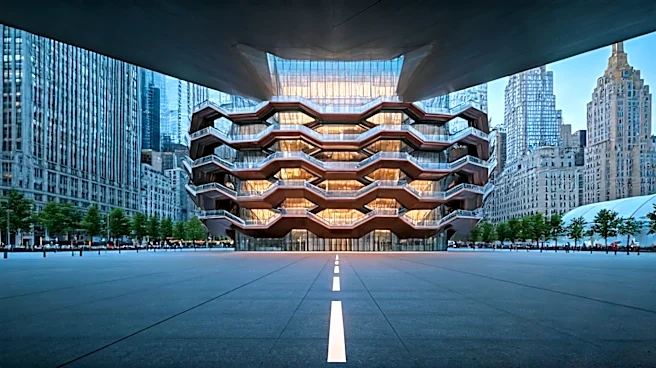
Before we get to the pass, let's talk about the fair. Frieze is one of the world's most influential contemporary art fairs, with major events in London, Los Angeles, Seoul, and, of course, New York. Each spring, a massive tent or a slick venue like The Shed at Hudson Yards transforms into a sprawling, temporary museum where hundreds of top-tier galleries from across the globe set up pristine white booths. They come to sell art, from paintings and sculptures to performance pieces, with price tags that can range from a few thousand dollars to several million. It's a critical moment for the art market, where collectors, curators, artists, and advisors descend to take the pulse of the contemporary art world, make deals, and network.
The Pass Is More Than Just Entry
A general admission
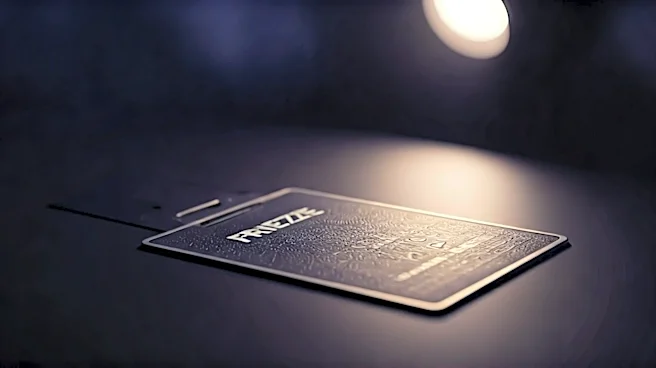
ticket will get you into Frieze. A VIP pass, however, gets you in first. The most coveted pass is for the “First Preview,” a day or morning reserved exclusively for top collectors, museum directors, and influential figures before the fair officially opens to the public. But the access doesn't stop at the door. The pass unlocks a whole ecosystem of exclusivity. It grants entry to the VIP lounge—an oasis of free champagne, curated snacks, and comfortable seating away from the crowds. More importantly, it acts as a key to a city-wide calendar of private gallery dinners, exclusive artist talks, studio visits, and cocktail parties hosted around the fair. It essentially transforms a multi-day event into a week-long immersion into the highest echelons of the art world.
The Currency of Access
Here’s the crucial part: for the most part, you can’t buy a top-tier Frieze VIP pass. It's bestowed upon you. Galleries are given an allocation of passes to distribute to their most valued clients—the collectors who consistently buy their artists' work. Receiving a pass is therefore a signal. It’s the gallery’s way of saying, “You are important to us.” In this way, the pass functions less like a ticket and more like a token of status within the art ecosystem. It solidifies hierarchies and reinforces relationships. In a world built on taste and connections, the pass is a tangible piece of validation, a quiet acknowledgment of one's standing. Its value isn't monetary; it's social and symbolic.
A Stage for the See-and-Be-Seen
The cultural impact of the VIP pass extends to performance. The Frieze preview is not just an opportunity to buy art; it's a stage. Attendees are acutely aware that they are part of a select group, and the event becomes a pageant of social signaling. Fashion becomes as much a part of the spectacle as the art on the walls, with attendees often chronicled in magazines like Vogue and W. In the age of Instagram, the pass provides access to a highly curated, status-affirming backdrop. A photo from the VIP preview, champagne flute in hand, is a powerful post. It broadcasts access, taste, and belonging to an exclusive tribe, making the pass an engine for the kind of social capital that thrives on digital platforms.
The Art World's Velvet Rope
Ultimately, the Frieze VIP pass is a perfect symbol of the central tension within the contemporary art world: the clash between art as a cultural public good and art as a luxury asset class. While museums strive to make art accessible to all, the commercial heart of the industry, represented by fairs like Frieze, is built on exclusivity. The VIP pass is the physical manifestation of that velvet rope. It creates a tiered experience, separating the casual observer from the serious player. Its existence reminds us that while anyone can appreciate art, the power to shape the market and confer value is held by a much smaller, more privileged group.