



What Makes a Pigment 'Duochrome'?
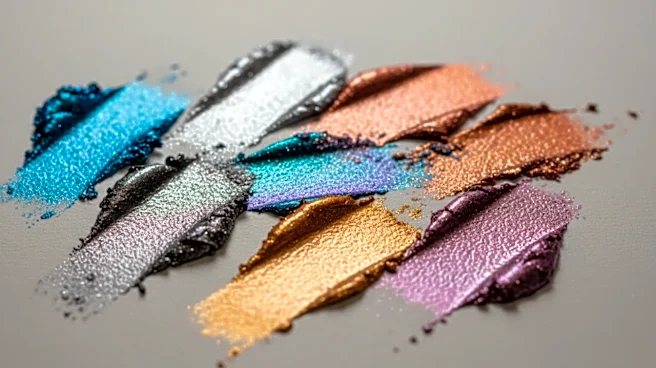
First, let's unpack the magic. A standard eyeshadow gets its color from a single, flat pigment. Duochrome, or two-toned, pigments are different. They are made with special particles, often mica or synthetic alternatives, that are coated in ultra-thin,
transparent layers of materials like titanium dioxide. These layers are engineered to play games with light. When light hits the pigment, some of it reflects off the top layer while the rest passes through and reflects off the layers beneath. This phenomenon, known as light interference, causes certain light waves to cancel each other out and others to become more intense. The result is an eyeshadow that seems to shift between two distinct colors as the viewing angle or light source changes. It's not a chemical change; it's pure optical physics at play on your eyelid.
The Tale of Two Lights: Cool vs. Warm
Not all light is created equal. The “color” of a light source is measured on the Kelvin (K) scale. A lower Kelvin number means the light is warmer, emitting more red and yellow tones, like a candle or a traditional incandescent bulb (around 2000-3000K). A higher Kelvin number signifies cooler light, which has more blue tones. Think of overcast daylight or crisp, modern LED office lights (often 4500K and above). Natural daylight around noon is considered the most balanced and neutral, providing the truest color rendering. This distinction is critical because the dominant color in your light source will dramatically influence which hues your duochrome pigment reflects back to your eye.
The Great Color Betrayal
So why does that stunning teal-to-purple shadow suddenly look murky in your favorite cozy restaurant? It's all about what the light gives the pigment to work with. Warm, yellow-toned lighting enhances reds, oranges, and golds in a duochrome, but it can completely absorb and neutralize cooler blue, green, or violet shifts. That complex purple might flatten into a dull brownish tone under a warm bulb. Conversely, cool, blue-toned lighting—like many office fluorescents—will make blues and greens pop but can wash out warmer tones like gold and peach, sometimes making your skin look pale or ashy in the process. The light is essentially starving the pigment of certain parts of the color spectrum, preventing it from showing off its full, magical shift.
Mastering the Chameleon Effect
Instead of being a victim of bad lighting, you can learn to control it. Before committing to a full look, test your duochrome pigments in various lighting conditions. Swatch the shadow on your hand and walk from your bathroom to a window, then into a room with warmer lamps. Use your phone's flashlight (which is typically a cool, blue-toned LED) to see how it reacts. This will give you a complete picture of the shadow's personality. If you're planning a look for a specific event, try to replicate the lighting. For a candlelit dinner, choose a duochrome with a strong warm-toned shift, like a pink-to-gold. For a daytime outdoor event, almost any duochrome will perform beautifully in the balanced natural light.
Application Is Everything
How you apply the pigment can also enhance or mute its shifting properties. For maximum impact, apply duochromes with your fingertip; the warmth helps the pigment meld with the skin for intense vibrancy. A flat, dense synthetic brush also works well to pack on color. The base you use underneath can dramatically alter the effect. Applying a duochrome over a black or dark-colored cream base will make the color shift appear far more dramatic and intense. For a softer, more ethereal look, use a light or neutral base. A sticky primer or glitter glue is also your best friend, as it not only enhances the color payoff but also prevents creasing and ensures the shadow stays put all day.