









The Mission: Anarchy vs. The Academy
To understand the fashion, you have to understand the mission. The Grammys, presented by The Recording Academy, are the music industry's equivalent of the Oscars. It's an institution where peers honor artistic achievement. The vibe is prestige, legacy,
and respectability. The MTV VMAs, on the other hand, were created in 1984 as a disruptive, youthful alternative. Often called the "Super Bowl for youth," its focus has always been on the visual, the controversial, and the pop culture moment. One is a legacy institution crowning achievement; the other is a cultural playground celebrating spectacle.
The Dress Code: Anything Goes vs. Accepted Elegance
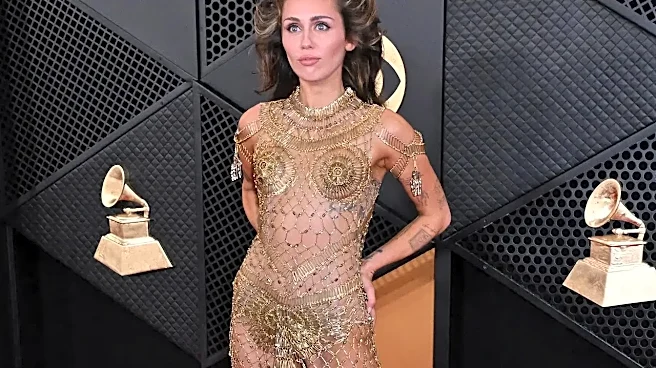
This core difference creates two distinct dress codes. The VMAs red carpet has an unwritten rule: there are no rules. In fact, showing up in a simple, elegant gown can feel like you missed the point. The event encourages artists to let their freak flags fly, resulting in outfits designed for shock value and headlines. Think of Rose McGowan’s 1998 sheer beaded dress, Lil' Kim's iconic 1999 purple jumpsuit with a single exposed breast, or Lady Gaga's 2010 dress made of raw meat. These weren't fashion faux pas; they were successful VMA statements, built to go viral. The Grammys, while not strictly black-tie, leans toward high fashion, couture, and timeless sophistication. It's where Jennifer Lopez's plunging Versace dress became a worldwide phenomenon in 2000 and where Cardi B arrived in a vintage Thierry Mugler creation resembling a human pearl in an oyster shell. The goal isn't just to be seen, but to be remembered for elegance and artistry.
The Goal: A Viral Moment vs. A Best-Dressed List
Ultimately, the desired outcome for an artist's fashion choice differs wildly between the two events. At the VMAs, the currency is conversation. An outfit is successful if it becomes a meme, sparks a debate, or is talked about for days. It's a performance before the show even begins. Artists often use the carpet to make a statement, promote an album, or simply create chaos. Macy Gray literally wore a dress in 2001 with her album release date printed on it. The Grammys are about solidifying a different kind of status. The aim is often to land on the best-dressed lists of major fashion publications. The look is part of a broader career narrative, signaling an artist's arrival into the upper echelons of the industry. It's less about a one-night stunt and more about contributing to a lasting image of stardom. While both can produce iconic looks, the Grammys are often where artists debut a more mature, refined, or high-fashion version of themselves, as seen with Beyoncé's progression to Schiaparelli Haute Couture or Taylor Swift's elegant gowns.
The Bottom Line: Rebellion vs. Respectability
While both shows have seen their share of wild and wonderful fashion, the fundamental difference lies in their spirit. The VMAs were born from a rebellious youth culture channel and have maintained that DNA. It's a space where fashion is treated as performance art, and the most outrageous look often wins the night. The Grammys function as the industry's formal ceremony of record. The fashion reflects this, acting as a testament to an artist's success, taste, and position within the music world. One is a snapshot of pop culture's chaotic present, designed to be loud and fleeting. The other is a portrait of artistic legacy, intended to be timeless.