


What Exactly Is 'Analog Texture'?
Before we go further, let's get on the same page. 'Analog texture' isn't just for audiophiles obsessing over vinyl crackle. It’s the sound of reality—warm, deep, and a little imperfect. Think of it as the difference between a perfectly smooth, digitally
rendered image and a photograph developed on film. Analog recording, which captures sound as continuous physical waveforms on tape, has a distinct character. It naturally compresses sound, adding a pleasing smoothness, especially to vocals and drums. Digital recording, by contrast, captures sound by taking thousands of precise snapshots, which can result in pristine clarity but sometimes feels sterile or cold. Analog texture is the subtle saturation, the natural dynamic range, and the feeling that you’re in the room with musicians who are playing together, not just layering tracks on a computer.
The Sound of Authenticity
So why does this matter so much in Americana? Because the genre itself is built on a foundation of authenticity. Americana is a broad tent, covering everything from folk and country to blues and roots-rock, but its unifying principle is a connection to tradition and honest storytelling. The genre’s gatekeepers and fans often value what feels 'real' over what sounds commercially polished. In this context, the so-called flaws of analog recording—the slight tape hiss, the harmonic distortion, the bleed between instruments—become features, not bugs. They act as sonic signifiers of honesty, a tangible quality that proves the music wasn't fussed over by a hundred plugins or auto-tuned to perfection. It’s the sound of human beings making music, which aligns perfectly with Americana's core ethos of heartfelt, unpretentious expression.
Artists as Modern Case Studies
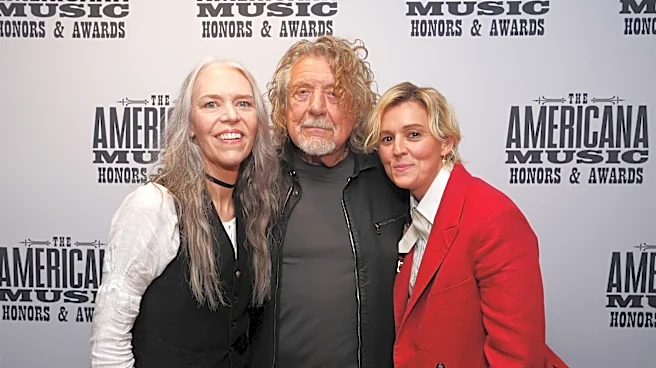
You can hear this philosophy in the work of many of the genre's most celebrated artists. Figures like Jason Isbell and Brandi Carlile have built careers on music that feels both musically rich and emotionally raw, a quality often enhanced by production that favors warmth over gloss. The influence of pioneers like The Byrds and Gram Parsons, who blended rock with traditional country instrumentation, set a precedent for this organic sound. In more recent years, artists across genres who lean into roots sounds, from Jack White to The Secret Sisters, have championed analog recording not as a gimmick, but as essential to their art. Their commitment to tape isn't just about chasing a vintage vibe; it's about making deliberate choices in a world of infinite digital options, a process that forces focus and captures a specific, unrepeatable moment.
More Than Just Nostalgia
It’s easy to dismiss the preference for analog as simple nostalgia, a longing for a bygone era. But in the 2020s, choosing analog is a forward-thinking artistic statement. With digital tools and even AI becoming commonplace in music production, the 'human element' is becoming the most valuable currency. Recording to tape is a deliberate act of embracing limitations that can spark creativity. It requires commitment, as you can’t endlessly undo and tweak every note. This process often leads to more instinctive and powerful performances, capturing the energy of a live show in a studio setting. In a world saturated with hyper-polished content, the warmth and character of an analog recording offer a sense of grounding and reality that many listeners crave. It’s a tactile experience in an increasingly intangible world.