






The Unmistakable Power of Star Power
In the cutthroat world of Hollywood, star power is the ultimate currency. Casting a major name is more than just hiring an actor; it’s a strategic marketing move that pays dividends long before a single ticket is sold. A well-known celebrity attached
to a project can help secure financing, guarantee global distribution, and create an immediate sense of legitimacy. In today's media landscape, it's also a direct line to a built-in audience. When a star with millions of social media followers posts about their new role, it functions as a massive, organic marketing blast that traditional advertising can't replicate. This blockbuster strategy is about creating a 'tent-pole' event that feels unmissable. The thinking is that audiences are drawn to what everyone else is talking about, and nothing gets people talking like a household name stepping into a new, exciting role.
When Familiarity Breeds Spoilers
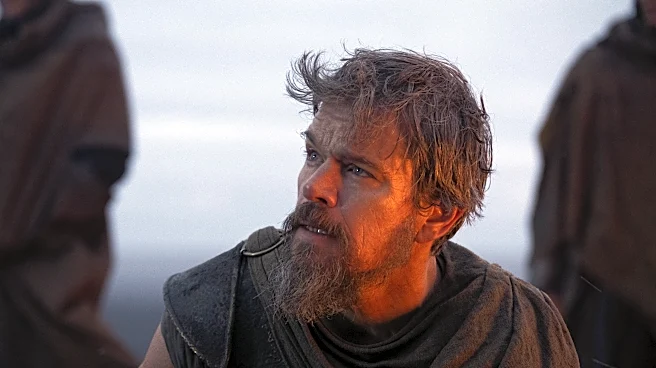
Here’s the catch: the very thing that makes a star valuable—their fame—is also what makes them a walking spoiler. Audiences have become incredibly savvy at spotting a narrative cliché known as "Narrowed It Down to the Guy I Recognize." If a famous actor like Jeff Daniels appears in what seems to be a minor side role in a thriller like "Blood Work," alarm bells go off. Viewers instinctively know the studio didn't pay a premium for that actor to deliver two lines and disappear. The twist that he’s the killer becomes not just predictable, but expected. This happened with Marion Cotillard in "The Dark Knight Rises," where fans immediately guessed her character, Miranda Tate, was secretly Talia al Ghul despite the film's attempts at misdirection. The same logic applied when reports surfaced that Matt Damon had a small, secret role in "Interstellar," leading many to correctly predict he would be a surprise antagonist.
The Age of the Impossible Secret
The problem gets even trickier with surprise cameos, which are meant to be delightful, unexpected payoffs for the audience. Some productions manage to pull it off, like when Oscar-winner Olivia Colman appeared in "The Bear" after being built up as an unseen, revered figure. But keeping such secrets is becoming nearly impossible. In an era of constant online chatter and on-set leaks, any hint of a major star's involvement can ruin the surprise. Tom Cruise’s legendary turn as the vulgar studio exec Les Grossman in "Tropic Thunder" was one of the film's best-kept secrets until it leaked shortly before release. More often, casting news itself does the spoiling. When Henry Cavill's name appeared in the credits for "Justice League," it officially confirmed that Superman's death in the prior film was not going to stick. Sometimes the secret is hidden in plain sight, with the actor in heavy makeup, like Matt Damon's nearly unrecognizable hillbilly cameo in "Deadpool 2."
From Audience to Detective Agency
Modern fandom isn't a passive audience; it's an active intelligence agency. Fans scrutinize every piece of available data, from official casting announcements to blurry set photos and actors' social media activity. Recently, fans of the "Fourth Wing" book series began speculating that a major casting announcement for the TV adaptation was imminent, based on the author's cryptic Instagram posts. This level of forensic analysis means a casting choice doesn't just hint at a spoiler—it can actively debunk long-held fan theories. When "Game of Thrones" cast Marc Rissmann as the leader of the Golden Company, it crushed a popular theory that the returning character Daario Naharis would secretly be leading the mercenary army. The spoiler risk, therefore, is no longer just about the studio's decision; it's an interactive game between the creators and a global network of dedicated detectives determined to solve the puzzle before the show even airs.