




The 'More Is More' Misconception
One of the most frequent mistakes is over-accessorizing. In an attempt to add personality, it's easy to pile on too much: a chunky necklace, statement earrings, multiple bracelets, and a bold watch. The result isn't personal style; it's noise. Accessories
in a business casual context should polish, not overpower. The goal is to complement your outfit, not have your jewelry enter the room before you do. Instead of wearing all your favorites at once, adopt a 'less is more' philosophy. Choose one or two tasteful pieces that harmonize with your look. A simple, elegant watch and a single other item—like a modest chain, a classic pair of earrings, or a wedding band—is often all you need.
The Sport Watch Dilemma
That rugged, oversized GPS sport watch that tracks your weekend hikes is a fantastic piece of tech, but it often clashes with professional attire. Wearing a bulky, rubber-strapped athletic watch with a button-down shirt and chinos sends a mixed message. It's the equivalent of wearing running shoes with a blazer; both are great items, but they don't belong together in this context. For a business casual setting, your watch should be more classic. This doesn't mean it has to be exorbitantly expensive, but it should be understated. A dress watch with a leather or metal band is a much better choice. It signals attention to detail and an understanding that every element of your outfit was a deliberate choice.
Ignoring Your Leathers and Metals
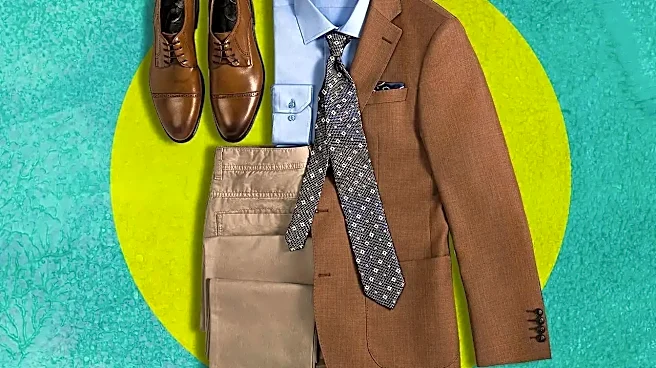
This is a subtle one, but it makes a big difference. Mixing leathers and metals without intention can look haphazard. While fashion rules are more flexible now, the classic advice to match your leathers (your belt, shoes, and watch strap) still holds true for creating a polished, cohesive look. A brown leather belt pairs best with brown leather shoes, just as a black belt works with black shoes. The same general principle applies to metals. If you're wearing a silver-toned watch, a silver belt buckle and other metallic accents will look more put-together than mixing it with gold. It’s a small detail that demonstrates a sophisticated eye.
The Wrong Kind of Carry-All
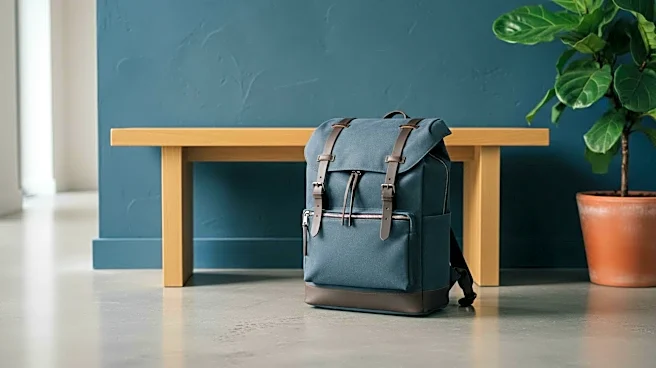
Your bag is an accessory, and it might be the most visible one you carry. Showing up to the office with the same backpack you'd take to the gym or on a weekend trip can look unprofessional. While backpacks have become more acceptable in many modern workplaces, the style is crucial. A flimsy polyester bag or a technical hiking pack looks out of place. If you prefer a backpack, it should be a structured, professional style, preferably in leather or high-quality canvas. Otherwise, a messenger bag or a classic briefcase remains a safer and more professional choice for carrying your essentials. The key is that the bag should look as intentional as the rest of your outfit.
Forgetting the Finishing Touches
The final category of mistakes involves the small details that people often forget are accessories at all: socks, belts, and even shoelaces. A high-quality leather belt does more than just hold up your pants; it completes the lower half of your outfit. Similarly, your socks are an opportunity to either show a bit of personality with a tasteful pattern or to create a seamless look by matching them to your trousers. Loud, novelty socks, however, can read as juvenile. The goal of these finishing touches is to tie the entire look together, ensuring every component feels deliberate and polished, right down to the last detail.