

Authenticity Is the Foundation
In Americana, the visual language is built on a foundation of authenticity—or at least a very believable performance of it. Unlike pop, where visuals often aim for glamour and fantasy, Americana aesthetics are rooted in the real, the worn, and the tangible.
The guiding principle seems to be that the visuals shouldn't feel like a costume or a set, but an extension of the world the songs already inhabit. This approach is tied to the genre's lineage, drawing from folk, country, and blues traditions where storytelling is paramount. The aesthetic often romanticizes 20th-century themes and the idea of the American dream, not just through patriotism, but by exploring love, identity, and loss within that context. The goal is to create a visual experience that feels as sincere and lived-in as a lyric about a worn-out truck or a dusty hometown. It's less about selling an image and more about inviting the listener deeper into the song's narrative.
The Album Cover as a First Verse
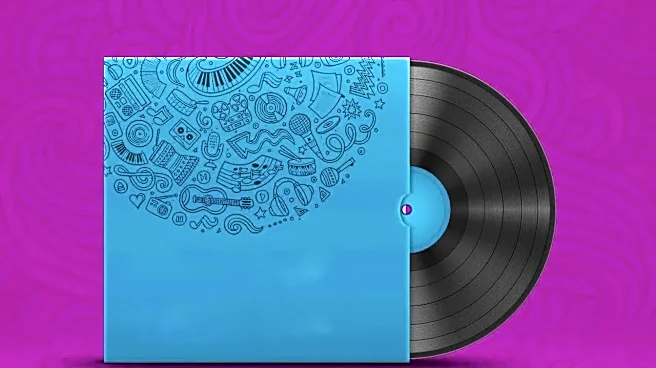
Long before a single note is heard, the album cover sets the stage. Americana artists use this visual real estate as a prologue to their sonic stories. Take the work of Tyler Childers, whose album covers often feel like artifacts from the world he sings about. The art for 'Country Squire' was described by one publication as weird and messy, yet it worked strangely well with the wild and real-as-hell stories on the album. Its cartoonish, symbolic imagery is rife with meaning, inviting fans to decode clues and connect them to the lyrics within. This turns the artwork from a simple container into the first verse of the record. Similarly, the design for Jason Isbell's 'The Nashville Sound' or posters for his shows use stark, thoughtful imagery that alludes to lyrical themes, creating a vibe before the music even starts. The visual is not an afterthought; it’s an integral part of the narrative package.
Music Videos as Short Films
While many genres use music videos as performance showcases, Americana artists often treat them as cinematic short films. The visuals expand on the lyrical themes, giving characters and situations a tangible form. A video might follow a narrative that only intersects with the song's lyrics emotionally, creating a parallel story that enriches the original. This technique allows for a deeper creative expression, turning a three-minute song into a memorable piece of visual storytelling. It’s a move away from simple promotion and toward creating a complementary piece of art that can stand on its own, yet feels intrinsically linked to the music. This approach builds a more immersive universe for the listener, adding layers of meaning that a straightforward performance video might miss.
The Persona as a Narrative Tool
For some artists, the most powerful visual is their own persona. Orville Peck, with his signature fringed mask and cowboy hat, is a masterclass in this. The mask is not just a gimmick; it’s a tool that allows him to be more emotionally genuine in his music while playing with the archetypes of the lonely, romantic cowboy. By obscuring his face, he paradoxically reveals more about the themes of identity, heartbreak, and performance in his songs. His entire aesthetic, from his '70s-inspired Nudie suits to his cinematic videos, creates a cohesive world that is both nostalgic and modern. Similarly, Brandi Carlile's on-stage fashion, often featuring tailored suits and bold jackets, challenges traditional gender norms in country and rock, visually reinforcing her powerful, genre-bending music and unapologetic presence. In these cases, the artist's look is a deliberate part of their narrative, telling a story of who they are and what their music represents.