


More Than Just a Tan
Forget the heavy, sculpted contours of the 2010s or the deep, glittery tans of the early 2000s. The new American bronzer application is about warmth, not color. For a growing number of women with medium complexions—a wide-ranging category that includes
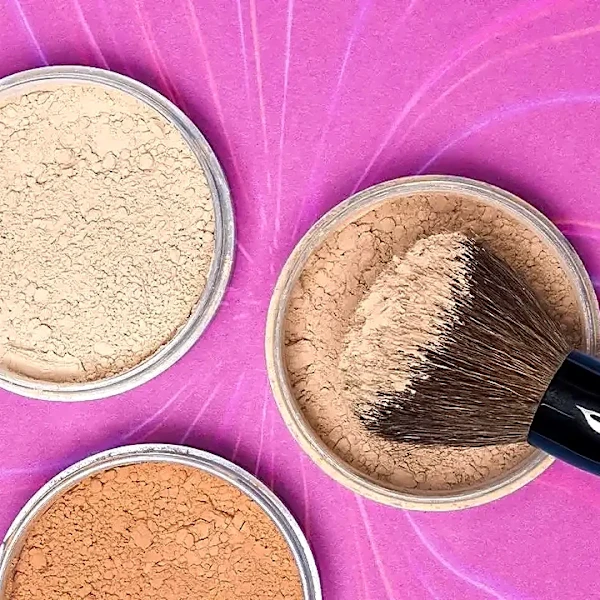
many Latina, Asian, Middle Eastern, and multiracial individuals—bronzer isn't about faking a post-vacation glow. Instead, its purpose is to add dimension and a believable, lit-from-within radiance. Makeup artists explain that the goal is to use bronzer to enhance the face’s high points, where the sun would naturally hit, creating soft definition and restoring warmth that foundation can sometimes flatten. It’s a technique that whispers “healthy” rather than shouts “tanned.”
The Evolution of Sun-Kissed
The idea of a “sun-kissed” look as a status symbol is a relatively modern, Western concept. The trend famously took off in the 1920s after Coco Chanel returned from a trip with a notable tan, transforming bronzed skin from a marker of the working class into a symbol of leisure and glamour. For decades, this ideal was largely associated with a specific, often white, vision of beach culture and a deep, baked-in tan. The products followed suit, often catering to fairer skin tones looking to achieve a darker look. This left many with medium or olive skin tones out of the narrative, with early bronzer formulations often appearing ashy, orange, or simply not showing up at all.
A New Canvas, a New Meaning
On medium skin, bronzer performs a different kind of magic. Because these skin tones already possess warmth, the product doesn't need to create a tan from scratch. Instead, a well-chosen golden or warm-toned bronzer works with the skin's natural undertones to enhance what's already there. It sculpts without the harshness of a cool-toned contour, bringing features forward and adding a vibrant, healthy dimension that looks effortless. This shift is subtle but significant. It reframes the bronzed look from an act of imitation (pretending you’ve been on vacation) to one of enhancement (highlighting your natural radiance). This is reflected in the product boom, with brands finally creating diverse shade ranges that cater to the nuances of medium and deep complexions.
The Celebrity Influence
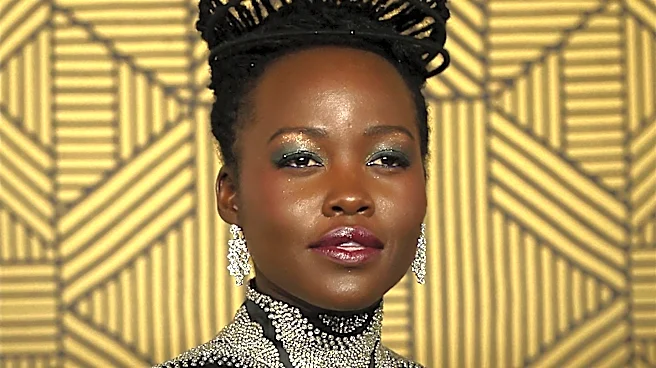
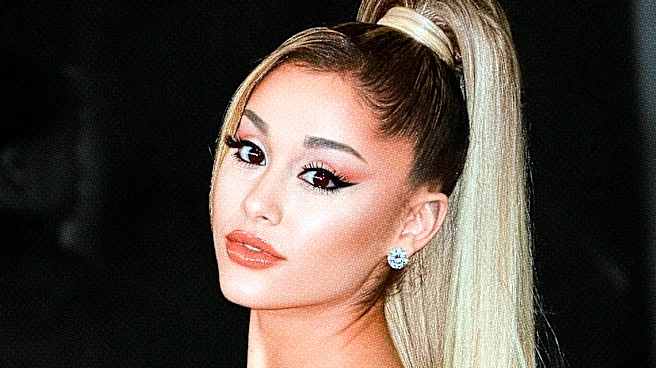
Pop culture provides the visual evidence. Celebrities like Eva Longoria and Jennifer Lopez have long been masters of the warm, dimensional glow that never looks like makeup. Their look is consistently radiant and healthy, a testament to strategic bronzer placement that enhances rather than masks. More recent style icons across the cultural spectrum have also adopted this aesthetic, moving away from dramatic transformations toward a more authentic and minimalist style. This widespread visibility has helped normalize a look that is both aspirational and achievable, cementing its place in the modern beauty lexicon. It’s less about a specific trend and more about a timeless approach to looking healthy and put-together.
Defining the Modern American Face
So, how does a simple makeup choice come to define a look? Its power lies in its ubiquity and what it represents. The rise of bronzer for medium skin reflects a broader cultural shift toward inclusivity in the beauty industry and in American society at large. The “modern American look” is no longer monolithic. It is a mosaic of skin tones, and the beauty standards are slowly but surely expanding to reflect that reality. The soft, warm glow achieved with bronzer on medium skin is a quiet but powerful statement. It's a look that feels authentic, confident, and effortlessly radiant—a fitting aesthetic for a country whose very definition of self is constantly, and beautifully, evolving.