




A Symbol of the British Summer
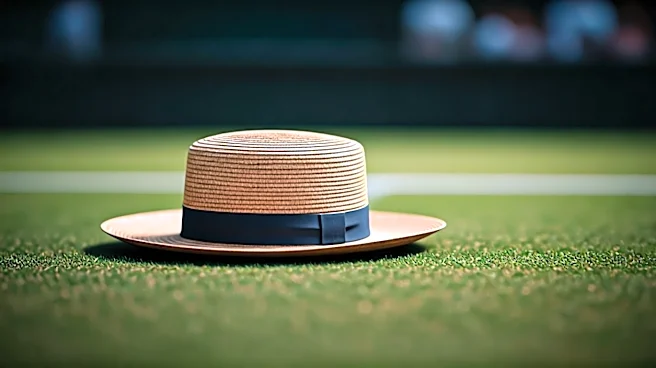
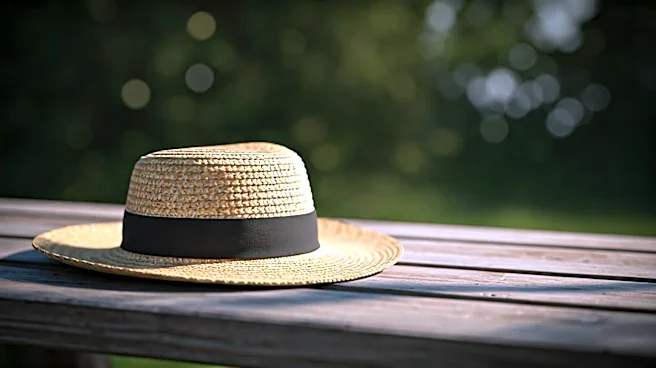
Long before it became a staple of Centre Court, the straw boater hat was the definitive accessory of the British summer. Originating in the late 19th century, it was first adopted for sailing and rowing, its stiff, flat brim and crown offering practical
protection from the sun. Its name literally comes from its association with boating. This connection to leisurely, upper-class outdoor pursuits quickly cemented its status. By the early 1900s, it was the go-to summer hat for men, a lighter, seasonal replacement for the heavier felt hats worn in winter. It became synonymous with garden parties, seaside promenades, and, of course, sporting events like the Henley Royal Regatta and Wimbledon, where entire crowds of spectators could be seen wearing them.
The Hierarchy in Woven Straw
While any spectator can wear a boater, a subtle hierarchy exists. The most visible boaters at Wimbledon aren't worn by celebrities, but by the on-court officials. However, this is a historical observation rather than a current rule. Today, the umpires, line judges, and ball kids are outfitted by Ralph Lauren, a partnership that began in 2006. Their uniforms consist of tailored navy blazers, crisp trousers or skirts, and no boater hats. The association of officials with boaters is a powerful memory of a bygone era. In the past, the boater was indeed part of the spectator and official uniform of summer life. Now, the hierarchy it represents is one of taste. The person wearing a simple, classic straw boater is signaling an appreciation for tradition and an understanding of the event's unwritten codes, a stark contrast to those in more attention-grabbing attire.
From Heritage Sport to Quiet Luxury
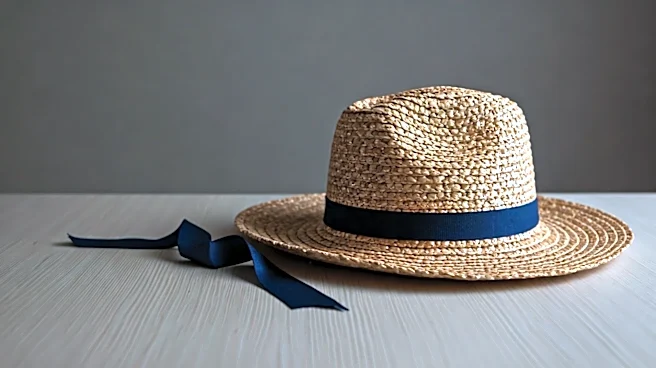
This is where the boater transcends history and becomes a thoroughly modern status symbol. In an era dominated by the 'quiet luxury' trend—a fashion movement favoring timeless, high-quality, logo-free pieces over flashy branding—the boater hat is a perfect fit. Quiet luxury is about signaling wealth and taste through understatement and craftsmanship. A well-made straw boater, with its simple grosgrain ribbon, doesn't shout its expense. Instead, it whispers of an appreciation for heritage, quality, and the kind of effortless elegance that doesn't require a visible price tag. In the stands at Wimbledon, where the dress code for spectators is a vague 'smart casual,' choosing a classic boater is a deliberate act. It aligns the wearer with the event’s deep-rooted traditions while simultaneously tapping into one of contemporary fashion’s most powerful currents.
The Practical Glam Playbook
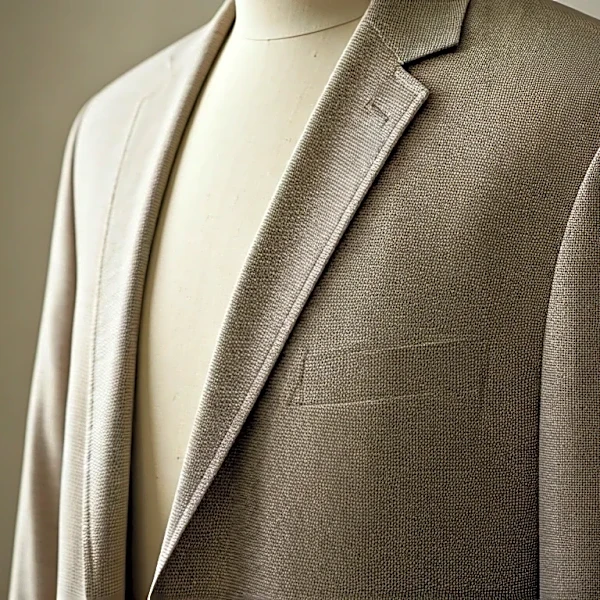
Beyond symbolism, the boater is a masterpiece of practical glamour. A day at Wimbledon can be a long, sun-drenched affair, and a wide-brimmed hat is a smart, functional choice for sun protection. But unlike a floppy sun hat or a casual baseball cap, the boater's structured silhouette adds instant polish to an outfit. It pairs flawlessly with the unofficial Wimbledon uniform of linen suits, summer dresses, and tailored separates. The look is polished, put-together, and respects the formal atmosphere of the event without feeling stuffy. For men, it offers a classic, sharp finish to a blazer and chinos. For women, it provides a chic, androgynous edge to a floral dress or jumpsuit. It’s the rare accessory that is both genuinely useful and impeccably stylish, making it the ultimate tool in the Wimbledon style playbook.