





Remembering the Old Rules
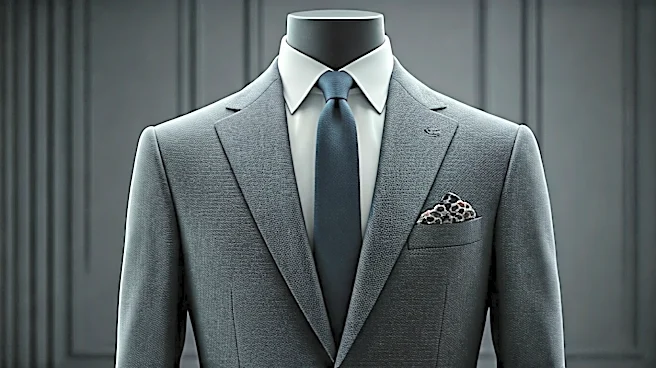
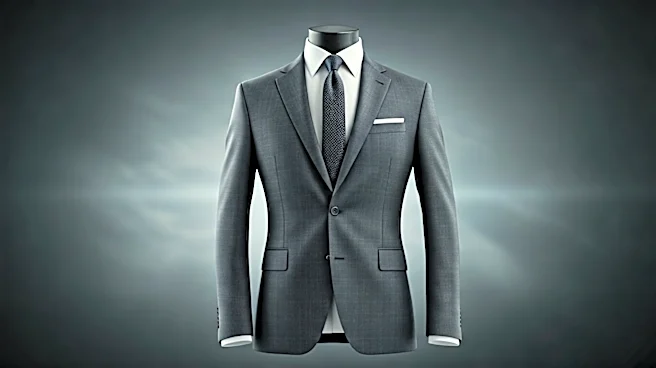
First, let’s be clear about what we’re not returning to. For decades, the Milanese suit was a symbol of crisp, masculine authority. Think of the 1980s power suit, with its broad, padded shoulders and rigid construction—a piece of social armor designed
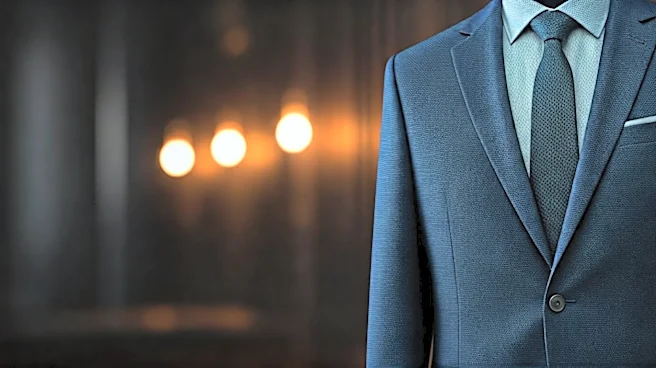
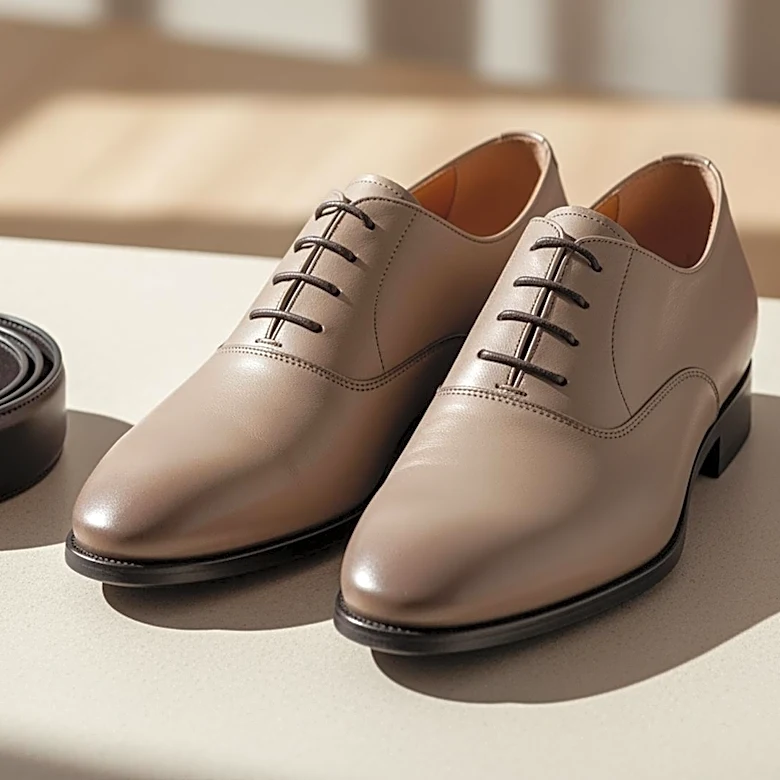
for the corporate battlefield. Even its more refined versions in the ‘90s and 2000s were built on a foundation of structure. It had rules: the starched collar, the silk tie cinched just so, the polished leather shoes. It was a uniform that signaled status, seriousness, and a willingness to conform to the established codes of success. This was tailoring as a straitjacket, albeit a beautifully made one. It was impressive, but it was rarely, if ever, described as comfortable.
The New Reality: Softness and Fluidity
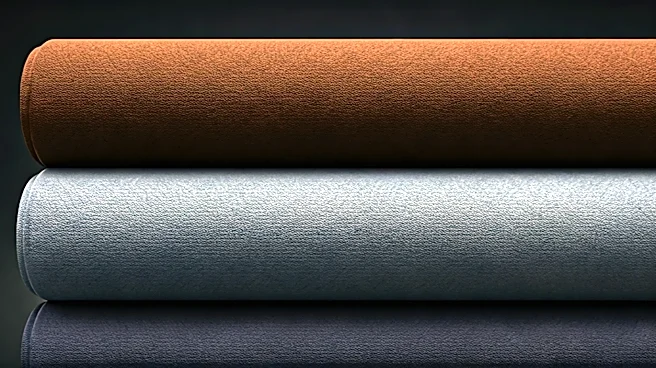
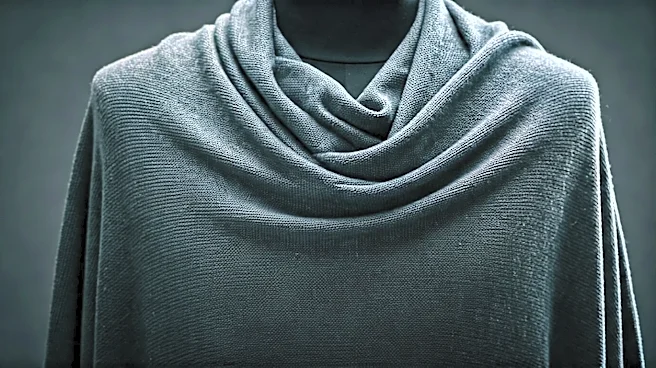
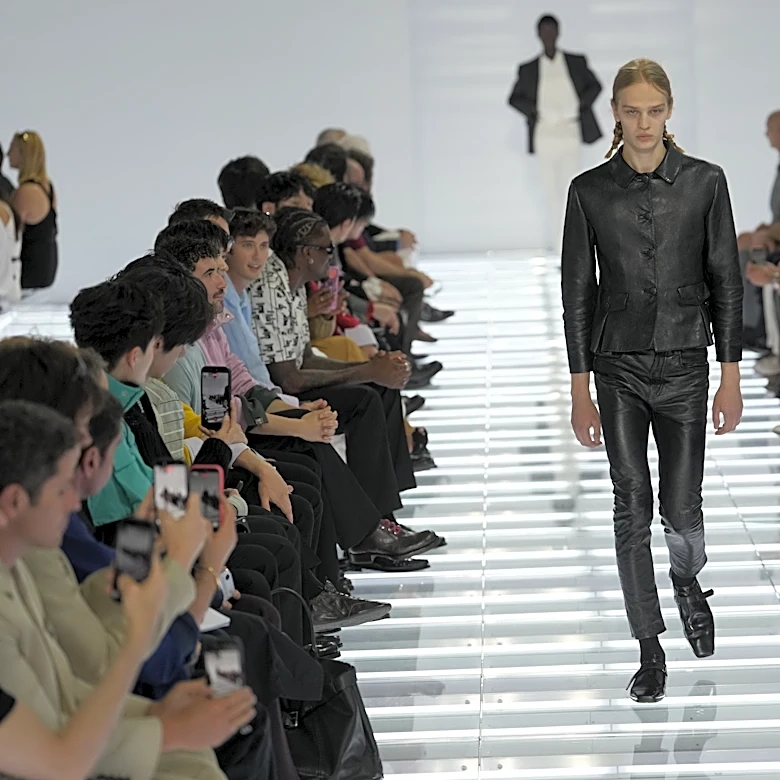
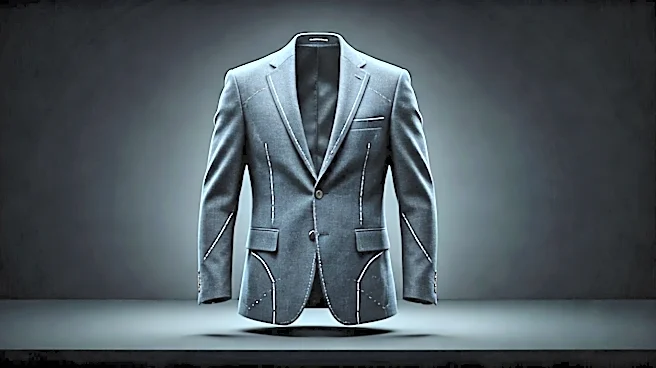
Today’s tailoring renaissance in Milan looks, and more importantly feels, completely different. The new key words are softness, lightness, and fluidity. Designers like Zegna have all but abandoned rigid shoulder pads, opting for an unstructured, ‘deconstructed’ silhouette that drapes naturally over the body. The fabrics are a tactile dream: feather-light cashmere, washed silks, linen blends, and high-tech wools that stretch and breathe. The cut is often looser, more generous. Trousers might have a gentle pleat or a wider leg, moving with the wearer instead of restricting them. It’s tailoring that has learned the lessons of the pandemic-era work-from-home wardrobe. We got used to comfort, and we’re not willing to give it up. This new suit is designed to be worn all day, from a morning coffee meeting to an evening out, without ever feeling like a costume.
A Quiet Response to Streetwear’s Noise
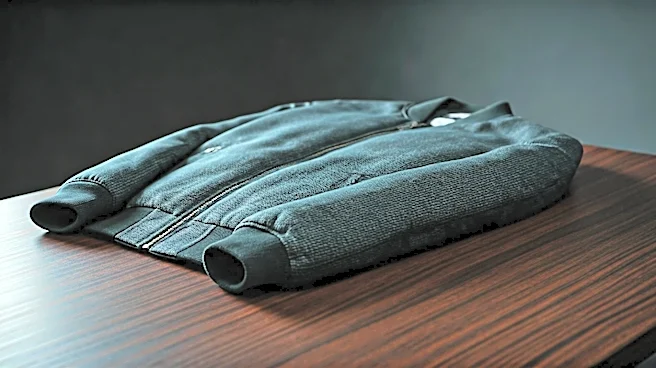
This shift isn't happening in a vacuum. For the past decade, high fashion was dominated by streetwear—the logo-heavy hoodie, the chunky sneaker, the graphic tee. It was loud, casual, and youth-obsessed. The return to tailoring is a natural pendulum swing away from that maximalism. But it’s not a full rejection. Instead, it’s an integration. The new Milanese suit borrows the ease and comfort that made streetwear so appealing. It’s tailoring for a man who grew up in sneakers but now wants something more elegant, without sacrificing comfort. He’s not trading his hoodie for a suit; he’s finding a suit that feels as easy as a hoodie. It’s a move toward a more ‘grown-up’ style, but one that refuses to be stuffy or old-fashioned.
Individuality Replaces the Uniform
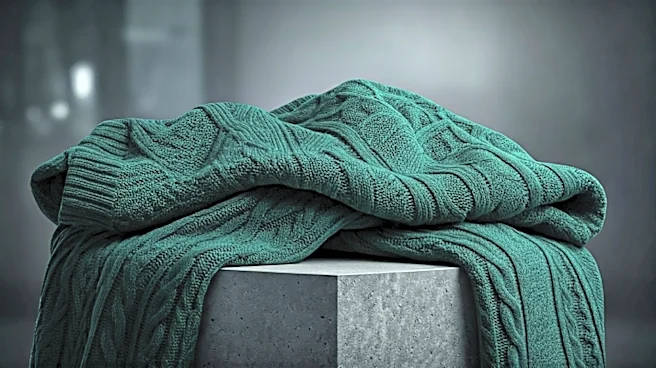
Perhaps the biggest departure from the old rules is in how these clothes are worn. The old suit was a complete, non-negotiable package. The new suit is a versatile starting point. At recent Milan shows, tailored jackets were paired not with matching trousers, but with relaxed chinos, luxury knitwear, or even sophisticated shorts. The dress shirt is frequently replaced by a fine-gauge polo, a simple crewneck sweater, or a high-quality t-shirt. The tie? It’s practically an endangered species, a deliberate choice rather than a default requirement. This is tailoring as a tool for self-expression. The focus is on creating a personal look, blending high and low, formal and casual. It’s not about fitting into a corporate box; it’s about building a flexible, elegant wardrobe that reflects a modern, multifaceted life.