





The High-Altitude Assault on Your Skin
Before diving into the solution, it’s crucial to understand the problem. Why does flying seem to wage a personal war on your face? The main culprit is the cabin environment. At 30,000 feet, the humidity in the cabin air hovers around 20%, which is drier
than the Sahara Desert. This incredibly low humidity acts like a sponge, pulling moisture directly from your skin's surface, leading to dehydration, tightness, and a dull appearance. This process, known as transepidermal water loss, compromises your skin's natural protective barrier, making it more vulnerable to irritation. On top of that, the recycled air can circulate bacteria and impurities, while the stress of travel itself can trigger inflammatory responses, leading to breakouts and redness. Your skin isn't just tired; it’s actively fighting off an environmental attack.
Step 1: The Deep, Gentle Cleanse
Your first act upon arriving at your hotel or home shouldn’t be collapsing onto the bed—it should be a pilgrimage to the sink. Your skin is coated in a film of sweat, airport grime, and whatever was floating around that airplane cabin. But resist the urge to scrub aggressively. Since your skin barrier is already compromised, a harsh cleanser will only strip it further, causing more irritation. Instead, opt for a gentle, hydrating cleanser. Many frequent flyers swear by the double-cleanse method here: start with an oil-based cleanser to melt away makeup, SPF, and surface-level grime, then follow up with a mild, cream- or gel-based cleanser to wash everything away without disturbing your skin's pH. The goal is to get impeccably clean, but kindly.
Step 2: Hydrate, Hydrate, Hydrate
This is the heart of the ritual. With your skin clean and prepped, it's time to systematically replenish all the moisture that was zapped during your flight. Think of it as layering water back into a thirsty plant. Start with a hydrating essence or toner to provide an initial splash of moisture. Next, apply a serum packed with humectants—ingredients that draw water into the skin. Hyaluronic acid is the undisputed champion here, capable of holding up to 1,000 times its weight in water. Pat it onto damp skin for maximum effect. Then comes the hero of the post-flight routine: a sheet mask. A 15-minute session with a hydrating, calming sheet mask (look for ingredients like aloe, centella asiatica, or ceramides) is a non-negotiable for forcing deep hydration back into the epidermis and soothing any travel-induced inflammation.
Step 3: Seal, Soothe, and Repair
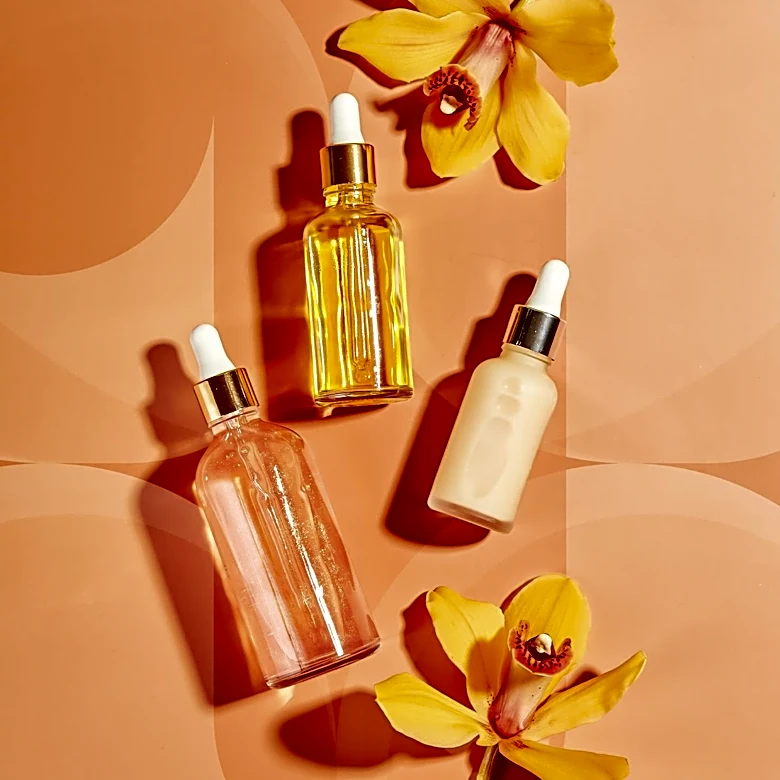
All that wonderful hydration you just applied will evaporate right back out if you don't lock it in. This final step is all about sealing the deal and repairing your skin’s barrier. After your mask, apply a rich, nourishing moisturizer. Look for formulas with ceramides, which are lipids that naturally occur in your skin and are essential for a healthy barrier. Squalane, shea butter, and peptides are also excellent ingredients for repairing and comforting stressed skin. If you’re feeling extra dry, don’t be afraid to press a few drops of a gentle facial oil over your moisturizer. This creates an occlusive barrier that prevents water loss and leaves your skin feeling soft, plump, and fortified, not greasy. You’ve now effectively rebuilt the fortress walls that your flight tried to tear down.
Why This Method Is Timeless
Beauty trends are often about aesthetics—achieving a certain look, like “glass skin,” “cloud skin,” or a hyper-matted finish. They are stylistic choices. The post-flight ritual, however, isn’t a trend; it’s a functional response to a specific biological stressor. It outlasts fads because it's rooted in the fundamental science of skin health: cleansing away irritants, replenishing lost water, and repairing the skin’s natural barrier. These principles are immutable. The products may change, but the philosophy of remediation remains the same. It’s less about looking a certain way and more about returning your skin to its healthy, balanced baseline. This focus on function over fad is why it will be just as relevant in a decade as it is today.