


The Unspoken Rule of the Waist
For much of modern fashion history, the waist has been the main character. From Christian Dior’s post-war “New Look” that cinched torsos into an exaggerated hourglass to the bodycon fits that dominated the 2000s and 2010s, defining the waist was presented
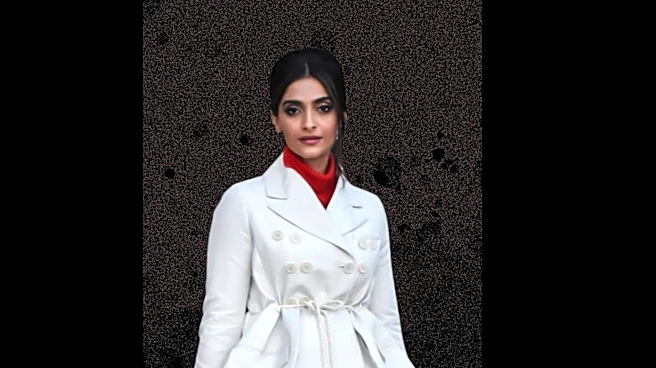
as the primary path to a flattering silhouette. This architectural focus on the midsection became an unspoken rule, suggesting that a good outfit—and by extension, a good figure—required a clearly marked waist. Belts, high-waisted pants, and tailored blazers were the tools of the trade, all designed to create or emphasize that coveted curve. This ideal was so ingrained that dressing without it often felt like a mistake or, worse, like you were hiding.
A Quiet Rebellion in Comfort
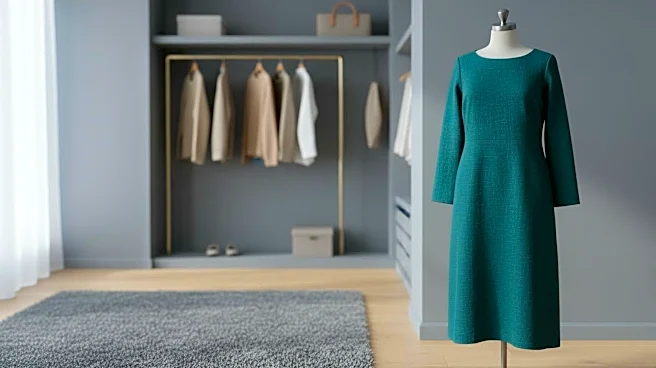
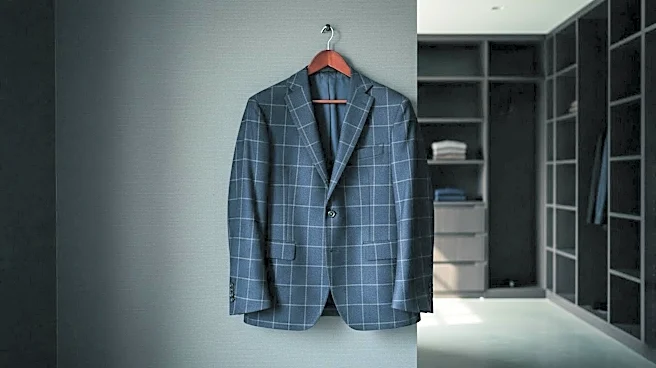
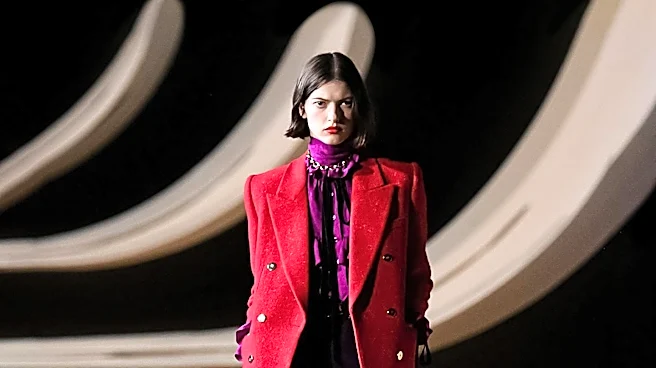
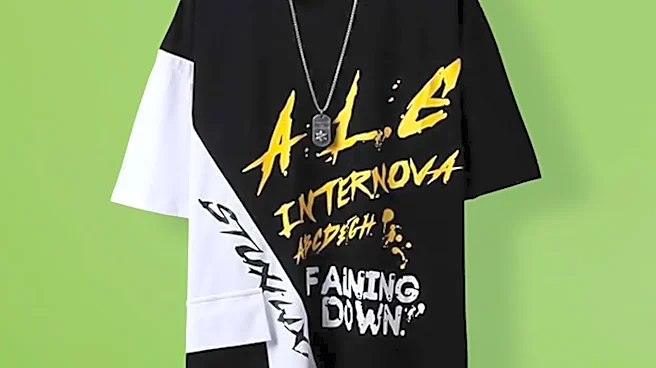
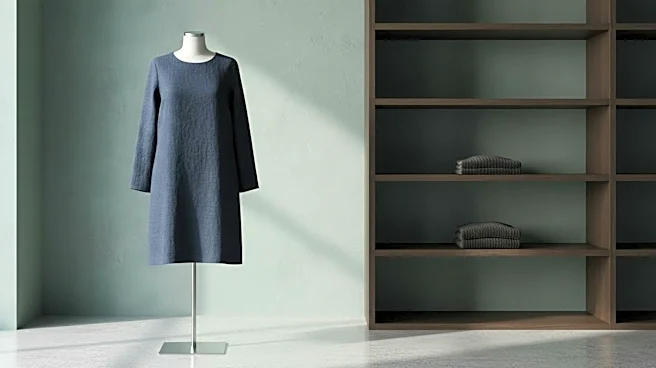
Lately, a significant shift has occurred, moving away from constant cinching. Silhouettes that de-emphasize the waist are no longer niche; they are central to modern style. Think of the rise of the boxy t-shirt, the unstructured blazer, the elegant sweep of a caftan, or the straight, clean line of a shift dress. These pieces don’t ignore the body; they simply interact with it differently. Instead of constricting, they drape. Instead of forcing a shape, they create one through fabric and movement. This isn't about being oversized or sloppy. It's about finding structure in the cut of the garment itself—the straight line of a boxy jacket or the architectural drape of a wide-leg pant—rather than imposing it with a belt. The result is a look that is both relaxed and intentional.
Why It Works for a Modern Wardrobe
The move away from waist definition is resonating now for several reasons. Firstly, comfort has become a non-negotiable priority. The freedom of movement offered by looser fits aligns with busy, multifaceted lives. Secondly, it reflects a broader cultural questioning of rigid beauty standards. By releasing the singular focus on an hourglass figure, fashion becomes more inclusive and allows for a greater diversity of body expression. This approach is less about camouflaging and more about confidence. It’s about choosing clothes that make you feel good, not just ones that make you look a certain way. A wardrobe built on these principles is inherently more versatile, where a single drop-waist dress or an unlined jacket can be styled for countless occasions with ease.
How to Master the Undefined Silhouette
Embracing this style doesn’t mean throwing out all your belts. It's about mastering proportion and texture. Start by pairing a voluminous piece with something more streamlined; a boxy top, for instance, looks sharp with straight-leg trousers. Pay attention to fabric. Materials with some structure, like linen, heavyweight cotton, or crisp poplin, hold their shape and prevent the outfit from looking formless. The “French tuck” or a half-tuck remains a valuable tool, offering a hint of shape without a full cinch. Finally, use accessories to your advantage. A great pair of shoes, statement earrings, or a structured handbag can anchor a looser silhouette, ensuring the entire look feels polished and complete.