



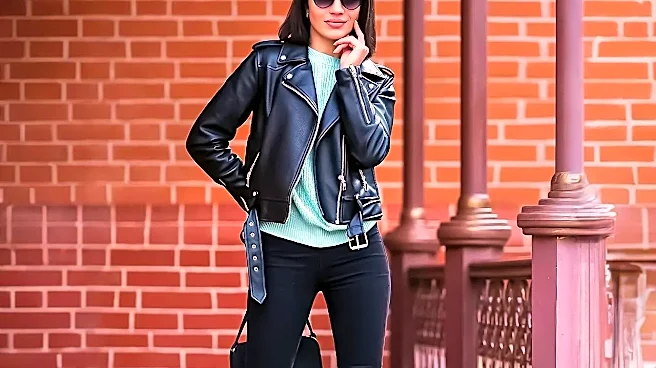


Start with the 'Handle' and 'Recovery'
Before you even check the price tag, pick up the sweater and simply feel it. A quality knit should feel soft but also have a certain springiness or resilience. Gently squeeze a section of the fabric in your hand; it should bounce back into shape when
you let go. A sweater that feels limp, thin, or stays compressed is likely made from weaker fibers or a loose knit that won't hold up. This simple 'squeeze test' is your first clue. A fabric that feels lively and pushes back is a good sign of a dense, well-constructed knit that's built to last.
Hold It Up to the Light
One of the clearest indicators of quality is knit density. Hold the sweater up to a light source. You should not be able to see much light filtering through the body of the garment. If it looks transparent or you can easily see gaps between the stitches, the knit is too loose. A loose, gappy knit is a red flag for a sweater that will easily lose its shape, snag, and stretch out with wear. A dense, even knit indicates that more yarn was used, creating a more stable fabric that will better retain its form over time.
Examine the Seams: Fully Fashioned vs. Cut-and-Sew
Turn the sweater inside out and look at how it's put together. The highest quality sweaters are often 'fully fashioned', meaning each panel (front, back, sleeves) was knitted to its exact shape and then linked together. You can often spot this by looking for small, subtle stitching marks near the shoulder seams where the stitches were increased or decreased to create the shape. This method results in flatter, more flexible seams and a superior fit. The alternative is 'cut-and-sew', where the sweater pieces are cut from a large sheet of knitted fabric and then sewn together, like a t-shirt. This can create bulkier seams that are more prone to stretching or puckering.
Gently Stretch the Cuffs and Hem
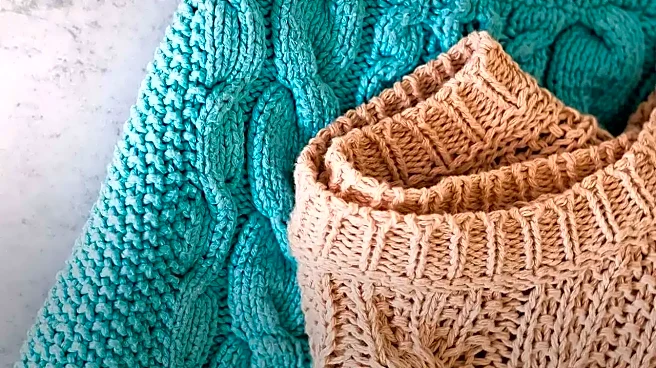
The ribbed sections of a sweater—the cuffs, hem, and neckline—are the hardest working parts. They are constantly being stretched and pulled. A key test of quality is to gently stretch a cuff or the bottom hem and see how quickly it snaps back. High-quality ribbing will feel firm and spring back into place almost immediately, indicating good elasticity. If the ribbing feels flimsy or stays stretched out, it's a sure sign that the sweater will develop saggy cuffs and a warped hemline very quickly.
Check the Yarn's Ply and Fiber
Get close and inspect the yarn itself. A smooth, tightly spun yarn is a sign of quality. If the yarn looks fuzzy or uneven, it's likely made from shorter, weaker fibers that will lead to pilling. Whenever possible, look for sweaters made from two-ply (or higher) yarns. This means two strands of yarn were twisted together to create a single, stronger thread. A two-ply yarn is denser, more durable, and more resistant to pilling than a single-ply yarn. While the fiber content on the label is important—natural fibers like wool generally have better shape retention than pure cotton or many synthetics—the construction of the yarn itself is just as critical.