






The Science of the Shared Scream
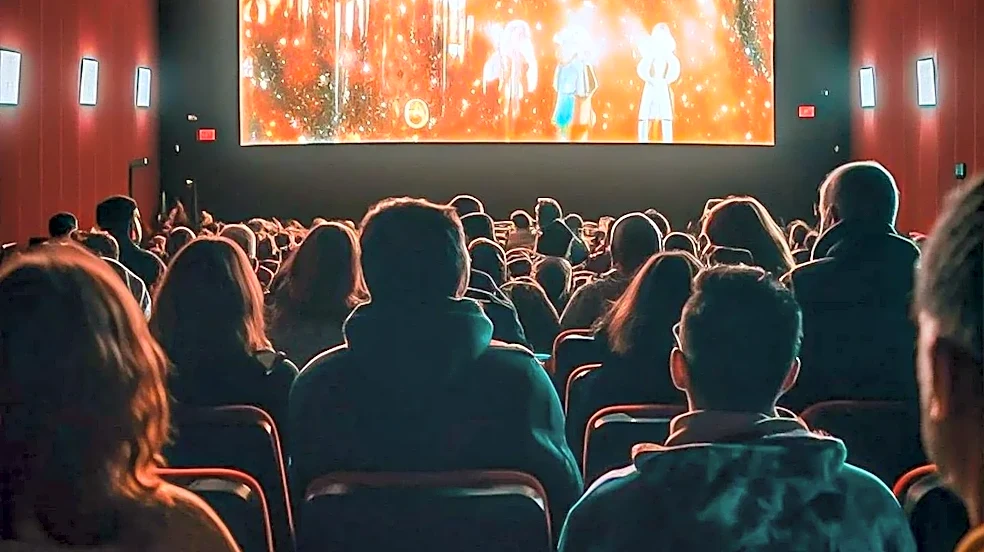
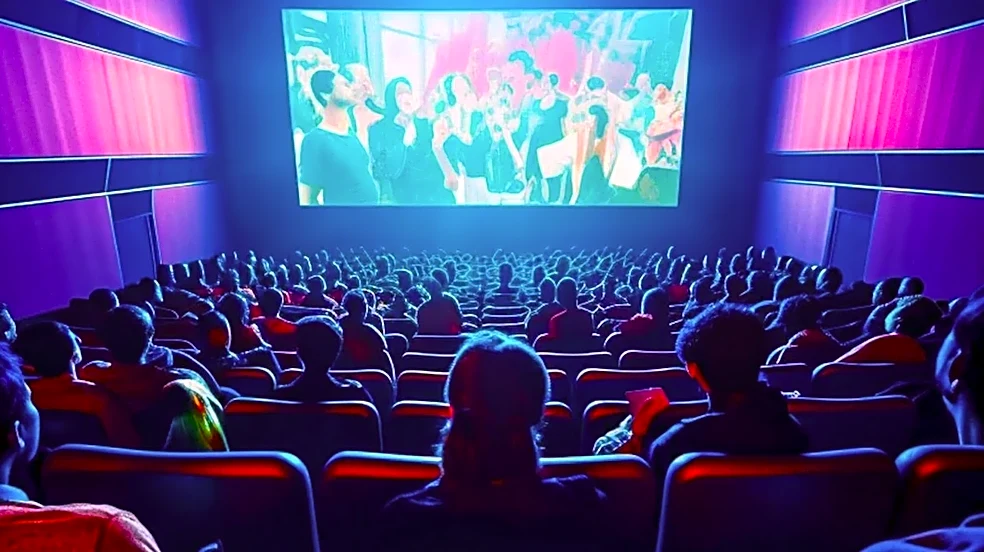
At its core, the power of watching a horror movie with an audience comes down to a psychological phenomenon called 'emotional contagion'. It’s the tendency for feelings to spread like a virus through a group. When the person next to you gasps, your own senses
are heightened. When a scream erupts from the back row, it gives you permission to let out your own. This isn't just about mimicry; our brains are wired to react to the emotional cues of others. In a packed theater, this creates a powerful feedback loop. The director’s carefully crafted jump scare is amplified a hundredfold, transforming a personal jolt into a collective, cathartic release. The fear becomes a shared resource, passed around the room, making every moment of tension more palpable and every scare more potent.
The Modern Campfire Story
Long before cinema, people gathered around fires to share tales of danger and the unknown. A movie theater, particularly for a horror film, serves a similar function. It’s a controlled environment where a community can confront a threat together. The monster on screen—in this case, the silent, unstoppable shape of Michael Myers—becomes the focus of the group’s collective anxiety. By experiencing this threat as one, the audience forms a temporary, powerful bond. We are not alone in our fear; we are part of a tribe confronting the darkness. This ritualistic aspect turns the simple act of watching a movie into a significant social event, reinforcing our connection to the people sitting beside us, even if they are strangers.
From Theater Buzz to Box Office Legend
A film's box office number is just data. What makes that number feel like a cultural phenomenon is the human energy attached to it. The 'buzz' that drives a film to financial success starts in those packed theaters. When people leave a showing of 'Halloween', they aren't just talking about whether the movie was good; they're talking about the experience. They're laughing about who screamed the loudest and reliving the moments that made the entire audience jump as one. This word-of-mouth is not just a recommendation, but a transmission of that communal energy. It makes others want to be part of the event, to feel that same collective shock and relief. As a result, the box office success feels less like a corporate victory and more like a participatory cultural moment that audiences helped create.
Halloween: The Perfect Communal Scare
The 'Halloween' franchise is the perfect case study for this effect. John Carpenter’s 1978 original was a masterclass in suspense, built on visual tension and sudden shocks perfectly engineered for a group reaction. Its success famously grew from a small, regional release into a nationwide blockbuster, driven by incredible word-of-mouth from audiences who had experienced its terror together. The simple, iconic nature of Michael Myers and his relentless pursuit of Laurie Strode is a story that requires little explanation, allowing viewers to sync up their emotional responses easily. The film and many of its sequels are designed to be seen with an audience, a fact producers have long understood. They are cinematic events as much as they are movies, built on a formula that thrives on the sound of a theater full of people holding their breath, waiting for the inevitable.