



The Ultimate Film Set
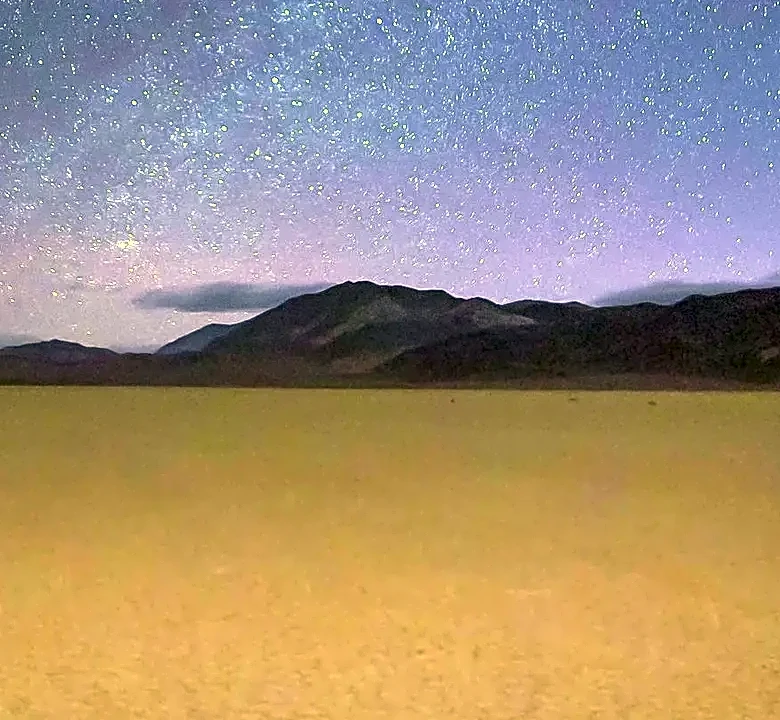
Every movie needs a location, and Burning Man’s is unparalleled. The event unfolds on the playa, a 400-square-mile prehistoric lakebed that is relentlessly flat, pale, and empty. This alkali desert floor, baked and cracked under the sun, creates a landscape
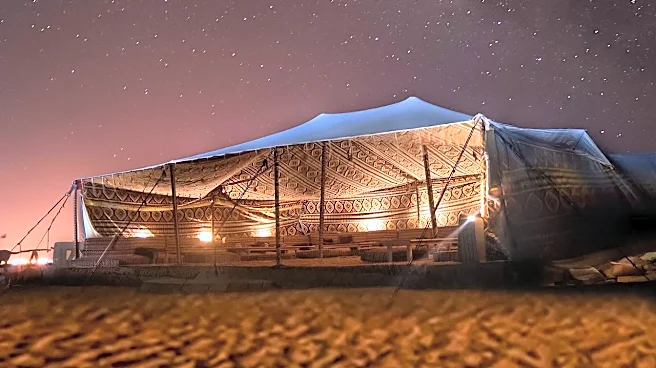
so alien it feels like a soundstage for a sci-fi epic. During the day, the sheer scale evokes the desolate beauty of films like Dune or Mad Max. Dust storms can roll in without warning, reducing visibility to a few feet and turning the world into a sepia-toned blur. At night, the darkness is absolute, broken only by the glow of art and camps, transforming the same space into a neon-drenched cyberpunk cityscape. This environment isn't just a backdrop; it’s an active character, a blank canvas upon which any story can be projected.
A Cast of Thousands
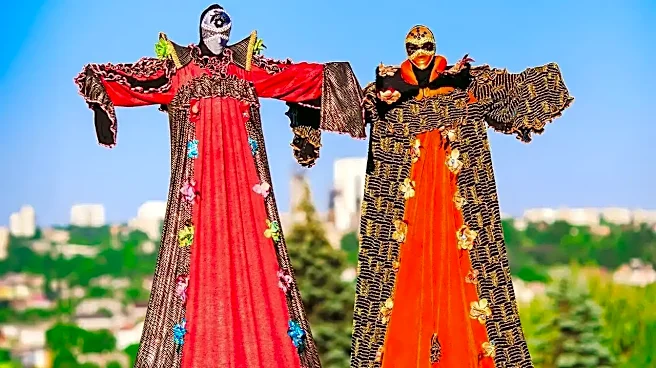
In this desert metropolis, there is no audience. One of the event’s Ten Principles is Radical Self-expression, which encourages participants to be, not just to watch. This turns the entire population into the cast. People don’t just wear costumes; they build entire personas. You might share a drink with a steampunk aviator, follow a crew of glowing jellyfish across the desert, or get directions from someone who appears to be from a distant galaxy. The result is a living, breathing ensemble cast where everyone is the star of their own unscripted film. You are an actor in this play, not a spectator. The principle of Participation is key; the transformative power of the event comes from doing, not observing.
Practical Effects Over CGI
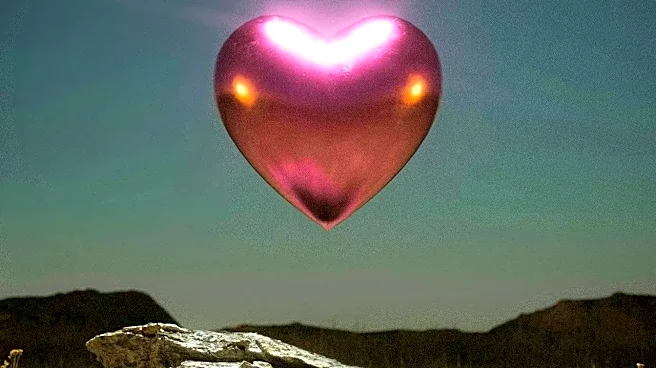
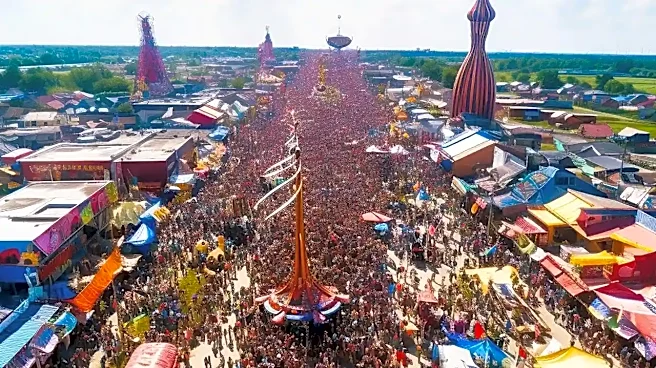
Hollywood spends billions on digital effects to create jaw-dropping spectacles, but at Burning Man, the special effects are real and you can touch them. Dozens of "mutant vehicles," or art cars, roam the desert—vehicles so radically modified they no longer resemble their original form. These can be fire-breathing dragons, rolling nightclubs, or massive, glowing sea creatures navigating a dusty ocean. Towering art installations, some several stories high, dot the landscape, many of them interactive and incorporating light, sound, and fire. Unlike a movie, where spectacle is contained on-screen, here it surrounds you. You can climb aboard a pirate ship on wheels or stand in the heat of a sculpture that belches flames into the night sky, creating a powerful sense of immediacy and wonder.
Living an Unscripted Narrative
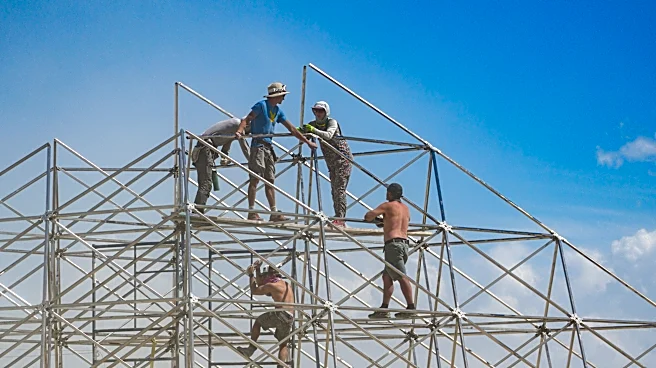
While there's no official plot, a week at Burning Man follows a surprisingly classic narrative arc. There's the setup: the arduous journey and the challenge of building a camp in a harsh environment, an act of radical self-reliance. Then comes the rising action: days and nights spent exploring the art, connecting with strangers, and experiencing moments of spontaneous joy and difficulty. The climax arrives on the final weekend with two powerful rituals. First, the celebratory burning of the towering Man effigy, a moment of communal catharsis. This is followed by the silent, solemn burn of the Temple—an ornate structure where people leave memorials to loved ones, and its immolation offers a quiet, emotional release. Finally, the exodus and the principle of Leaving No Trace provide the resolution, as the city vanishes and the desert is returned to its empty state.