




Sweat as Subtext
It’s a feeling we all know: the oppressive, suffocating heat of late summer that makes everything feel slower, heavier, and more irritable. On screen, directors are using this to do more than just set the scene. Intense heat has become a visual code for
psychological pressure. When characters are drenched in sweat, moving sluggishly through sun-bleached landscapes, it’s not just about the temperature; it’s about their internal state. Think of the classic use of heat in Spike Lee's “Do the Right Thing,” where the rising temperature directly mirrors the escalating racial tensions. Today's television is adopting this language for a new generation. A heatwave in a modern drama might signify a character's boiling point, the decay of a relationship, or a society simmering on the edge of collapse. It transforms a simple weather condition into a tangible source of conflict, making the environment itself a character that presses down on everyone within it.
Storms on the Horizon
The flip side of the oppressive August heat is the violent release of a summer storm. In television, these aren’t just rain showers; they are narrative punctuation marks. A sudden, violent thunderstorm often symbolizes an impending crisis, a burst of emotional catharsis, or the chaotic arrival of an unavoidable truth. Filmmakers have long known that storms create tension and can be used to trap characters, forcing them into confrontations. When a storm rolls in during a prestige drama, it’s rarely an accident. It’s a signal to the audience that the story's own internal pressures are about to break. This device feels particularly resonant now, tapping into a broader cultural climate anxiety. The unpredictable, violent weather on screen mirrors a real-world sense that our environment is becoming more volatile and dangerous, turning a character's personal turmoil into something that feels universally threatening.
The Poetry of Empty Streets
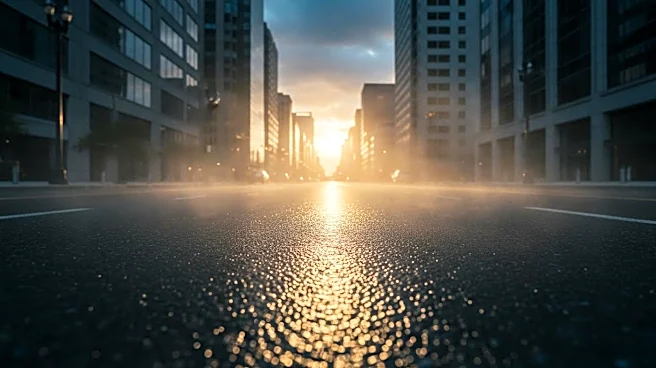
Perhaps the most haunting image in this new August aesthetic is the empty street. From post-apocalyptic thrillers to introspective dramas, shots of desolate, traffic-free cityscapes have become a powerful symbol of isolation and societal breakdown. Creating these shots is a logistical feat, often requiring crews to film in the earliest hours of the morning or digitally erase cars and people in post-production. The effect is one of profound unease. An empty Times Square or a deserted Los Angeles freeway immediately tells the audience that something is fundamentally wrong with the world of the story. This imagery gained a new layer of meaning in recent years, echoing the real-life empty streets of global lockdowns. When a director chooses to show us a world without people, they are tapping into contemporary anxieties about loneliness, social fracture, and the fragility of the systems we rely on.
A Language for Our Times
When combined, these elements—the sweltering heat, the looming storms, the empty streets—form a distinct visual vocabulary. It’s a language of anxiety, of pressure building until it can no longer be contained. Directors are using this aesthetic to code their August premieres with a feeling that is both timeless and deeply specific to our current moment. It speaks to a world grappling with climate change, social isolation, and a general sense that things are off-kilter. This isn't merely about creating a mood; it's about reflecting our collective psyche back at us. The weather on screen has stopped being a backdrop and has become a primary actor in the drama, telling us more about the characters' internal states and the state of their world than dialogue ever could.