



America Takes Center Stage
For the first time since 1994, the World Cup is back on U.S. soil, and that changes everything. Co-hosting the tournament with Canada and Mexico means the games aren't just a foreign spectacle on late-night TV; they’re happening in our backyards. Fans
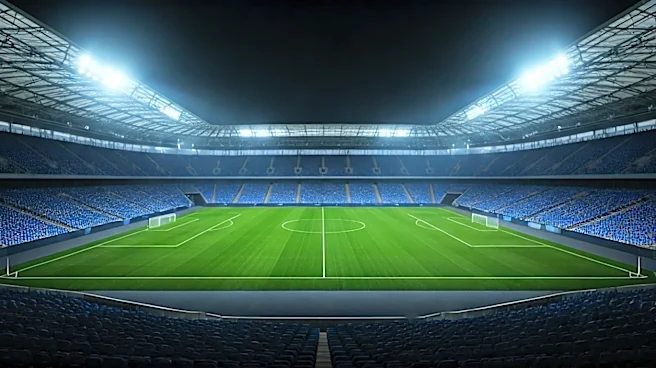
are filling iconic stadiums in cities like Los Angeles, New York/New Jersey, and Kansas City, creating an electric, nationwide atmosphere. This home-field advantage extends beyond the teams to the audience itself. The U.S. opening match against Paraguay shattered viewing records, becoming the most-watched soccer match in American TV history with a combined 27.5 million viewers on Fox and Telemundo. The tournament has already seen over 1.5 million fans attend matches. Extensive fan festivals and viewing parties in host cities from Boston to Dallas are turning the event into a month-long celebration, making the games accessible to more than just ticket-holders.
The Celebrity Crossover Effect
Nothing says “major cultural event” like a VIP section packed with A-listers. The opening U.S. game at SoFi Stadium in Los Angeles felt more like an awards show red carpet. Tom Cruise, Leonardo DiCaprio, Brad Pitt, and Paris Hilton were spotted, while David and Victoria Beckham held court in a VIP suite. The pre-game show featured a mashup of global stars, including Katy Perry, Future, and BLACKPINK's LISA, signaling that this event was built for a broader pop audience. It’s not just Hollywood, either. Athletes from other sports, like NFL quarterback Jameis Winston and NBA legend Kareem Abdul-Jabbar, have been passionately supporting the games, bridging the gap between American sports culture and global football. This celebrity convergence transforms matches from sporting fixtures into can't-miss social gatherings, where the sidelines are as much a part of the spectacle as the game itself.
More Than Just a Game
American audiences are increasingly drawn to the human stories behind the sport. The tournament is delivering compelling narratives that have nothing to do with tactics or statistics. Take the story of Cape Verde's goalkeeper, Vozinha, whose mother was able to attend a match in Miami after an online fundraising campaign and the intervention of U.S. lawmakers helped her secure a visa. Or the viral moment of NFL star Jameis Winston joining Japanese fans to clean up the stadium after a match, a gesture of cross-cultural respect that resonated globally. These moments, along with fan-led phenomena like the spread of Norway's “Viking Row” cheer from Boston to New York City, highlight a shift. Americans are embracing the World Cup not just as a competition, but as a source of shared experience and cultural connection.
Built for the Social Media Age
This isn't the World Cup of 1994; it's a tournament unfolding in real-time across billions of screens. Today, nearly 75% of sports fans use social media to follow the action, and this tournament is tailor-made for that reality. Every goal, controversial call, and fan reaction is clipped, remixed, and shared on platforms like TikTok and Instagram within seconds. The most influential commentary isn't just coming from pundits, but from fans creating their own content. This dynamic has turned athletes into creators and influencers in their own right, giving fans a direct line to their personalities off the pitch. With streaming numbers for the tournament up over 250% from 2022 on some platforms, it's clear that a huge portion of the audience is experiencing the event through a digital lens, making it more participatory and immediate than ever before.