






The Script Is Still King
You can have an Oscar winner delivering lines, but if those lines are clunky, predictable, or just plain boring, audiences will tune out. A-list talent might attract initial eyeballs, but compelling storytelling is what keeps them coming back. A great
script provides the foundation for everything else. It establishes a world viewers want to visit weekly, creates characters with depth, and builds a narrative with stakes that matter. Without a strong story engine, even the most charismatic actor is left running on fumes. Think of it as the difference between a stunning car with a faulty engine and a reliable sedan that gets you where you need to go. One is exciting for a moment; the other earns your long-term loyalty.
The Unseen Power of the Showrunner
In television, the director of a single episode is a guest. The showrunner is the host, the architect, and the ultimate authority. This individual, usually a writer-producer, is responsible for the entire creative vision of the series. A showrunner’s job is a dizzying blend of creative oversight and logistical management; they guide the writers' room, approve casting, manage budgets, and act as the main point of contact with the network or streaming service. They ensure the show maintains a consistent tone and quality from the pilot to the finale. A series with a clear, confident showrunner at the helm can overcome a cast of unknowns, while a show with a muddled vision can squander the talents of a superstar. The showrunner is the true star of any successful series.
It’s About Chemistry, Not Just Casting
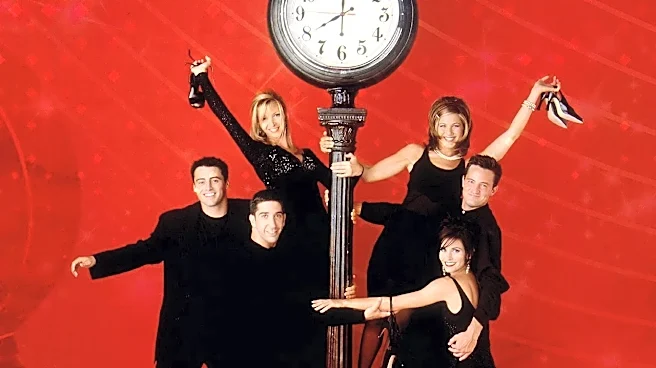
A single celebrity is a billboard, but an ensemble cast is a family. The magic of many beloved shows lies not in one standout performance, but in the believable, electric chemistry between its characters. Viewers need to invest in the relationships on screen—the friendships, rivalries, and romances. Casting directors increasingly look for this intangible spark during auditions, sometimes pairing different actors to see who clicks. A show populated by captivating characters who feel genuinely connected to one another can build a devoted following, regardless of their individual Q-scores. This is why many successful shows feature a cast of relative newcomers who rise to fame together; their shared journey often mirrors the on-screen dynamics that viewers fall in love with.
The Right Time, The Right Place
A brilliant show can die on the vine if it’s buried in a bad time slot, scheduled against a ratings juggernaut, or marketed poorly. The battle for viewers’ attention has never been fiercer. A show’s success can depend heavily on its promotional campaign—creating cultural relevance and driving conversation before the first episode even airs. Furthermore, in an era of endless choice, word-of-mouth and online buzz are invaluable. Some of television's biggest hits were slow burns, shows that found their audience over time after a weak debut season. They survived because the network had faith or because a passionate fan base championed them into the mainstream. A celebrity might provide an initial marketing boost, but a show needs a sustained strategy and a little bit of luck to truly break through the noise.