


1. Treating Style Like a Costume
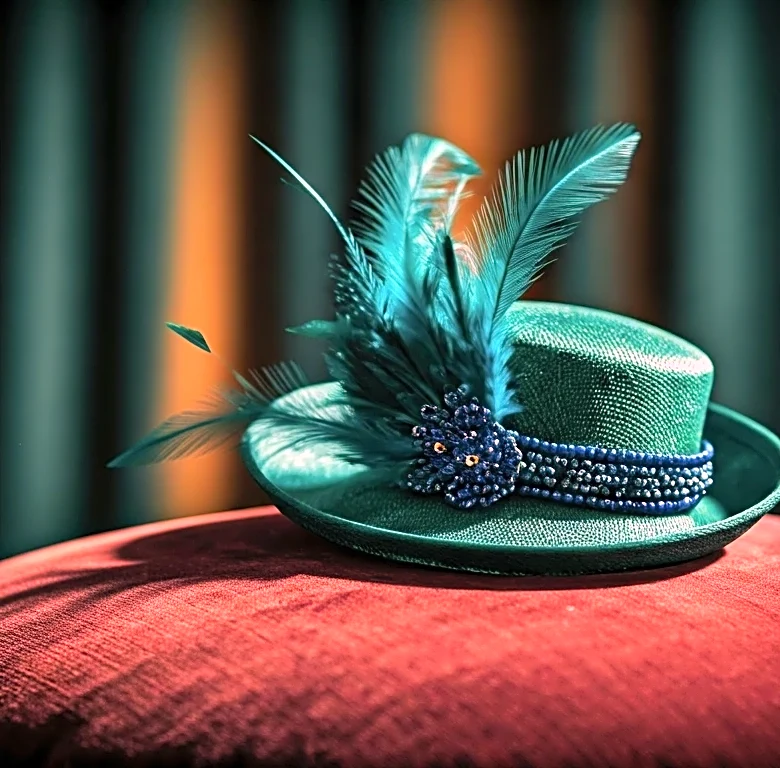
The most common mistake is viewing Pitti Uomo style as a costume to be worn rather than an expression of self. The infamous “Pitti Peacocks” often dress for the cameras, assembling a loud collage of trends—a brightly colored suit, a wide-brimmed hat,
clashing patterns, and a superfluous cane. The result is performative, not personal. True style is authentic; it looks like it belongs to the person wearing it. Before you try to replicate a bold look, ask yourself: “Does this feel like me?” If the answer is no, it will look like you’re playing dress-up. The goal is to use inspiration to enhance your own personality, not to borrow someone else’s for a day.
2. The 'More Is More' Accessory Fallacy
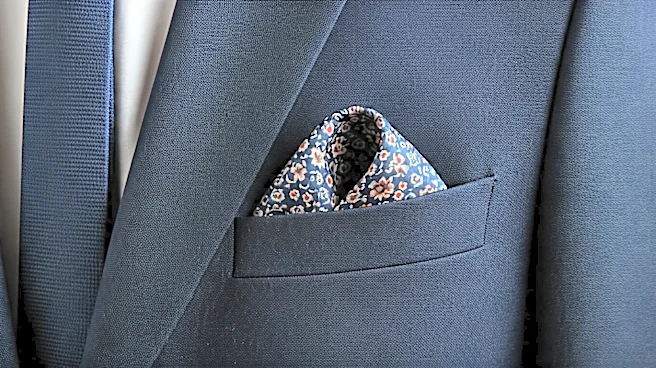
A well-placed accessory can elevate an entire outfit. But at the extreme end of Pitti style, men are often laden with accessories: the lapel pin, the flower, the pocket square, the tie bar, the stacked bracelets, the statement watch, the tinted sunglasses, and the portfolio-as-clutch. It's an arms race of adornment. This approach overwhelms the eye and cheapens the overall effect. Instead of adding character, it creates visual noise. A better rule of thumb comes from Coco Chanel’s classic advice: before you leave the house, look in the mirror and take one thing off. Focus on one or two key accessories that complement your look, rather than competing with it. Let your statement piece—whether it’s a great watch or a unique pocket square—actually make a statement by giving it room to breathe.
3. Ignoring Fit in Favor of Flash
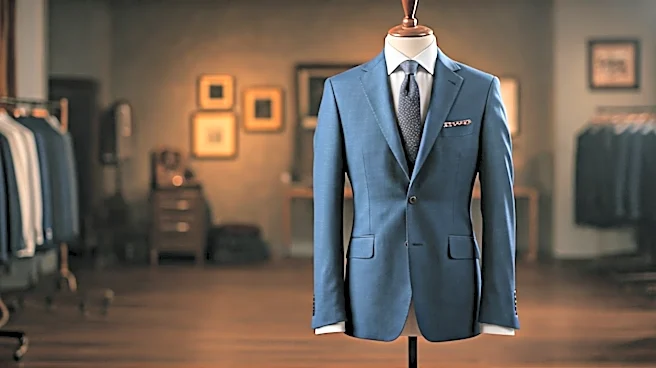
You can be wearing a $5,000 suit, but if the shoulders are too wide or the trousers are puddling around your ankles, you’ll look worse than the man in a perfectly tailored $500 suit. The photographers at Pitti are drawn to color and pattern, but what makes the truly stylish men stand out is impeccable fit. A jacket should hug your shoulders, trousers should have a clean line with a slight break, and a shirt collar should frame your face correctly. Many copycats get so caught up in replicating a specific pattern or fabric they saw online that they forget this fundamental rule. Prioritize fit above all else. A simple, well-fitting navy suit will always look more sophisticated and powerful than an ill-fitting, attention-grabbing plaid one.
4. Disregarding Climate and Context
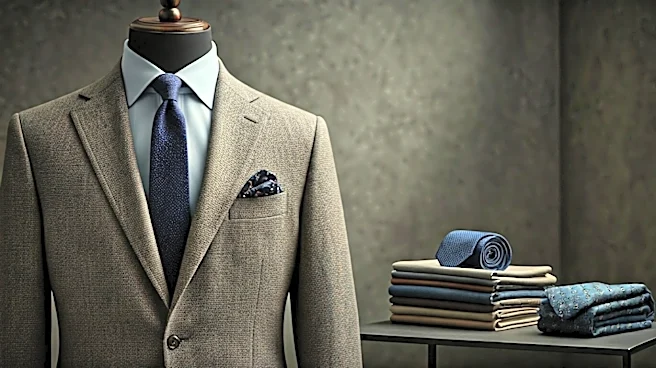
Pitti Uomo takes place in January and June. Yet, you’ll inevitably see men sweating through heavy flannel suits under the sweltering Tuscan sun in summer, or shivering in unlined linen in winter. This is a tell-tale sign of someone dressing for an imagined photoshoot rather than for reality. Great style is practical. It acknowledges the weather, the environment, and the occasion. Wearing a three-piece tweed suit to a summer event in Florence isn't just uncomfortable; it shows a disconnect from your surroundings. It signals that the outfit is a theoretical concept, not a functional choice. Always dress for the day you’re actually having. Let the climate dictate your fabric choices—linens, cottons, and tropical wools for heat; flannels, tweeds, and cashmeres for cold.
5. Trying Too Hard to Look Effortless
The Italian concept of 'sprezzatura'—a certain nonchalance, designed to conceal conscious effort—is the holy grail for many Pitti attendees. They try to manufacture it with an unbuckled monk strap, a deliberately askew tie, or a jacket collar popped 'just so.' But here’s the secret: true sprezzatura cannot be faked. When you meticulously plan to look unplanned, the effort shows. It becomes a contrived gesture, the opposite of the intended effect. Real nonchalance comes from confidence and comfort in your own clothes. It’s the result of wearing something so often and so naturally that it becomes a part of you. Forget about engineering 'effortless' moments and focus on being comfortable. The sprezzatura will follow.