



Goodbye, Boardroom Armor
The new power suit has fundamentally different priorities. Where the old version was about projecting authority through conformity, today’s iteration is about expressing confidence through comfort and personality. The most visible shift is in the silhouette.
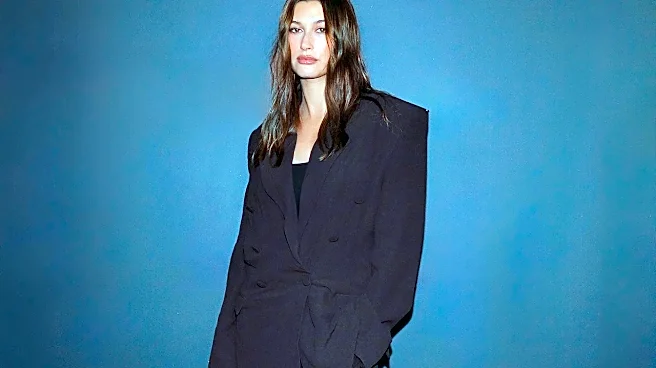
Rigid, boxy designs are being replaced by what designers call 'soft tailoring'. This means unstructured blazers with little to no shoulder padding, jackets with a more natural drape, and trousers cut with a higher rise and a wider, more relaxed leg. The fabrics are changing, too. Stiff wools are making way for breathable linen blends, soft knits, and even performance fabrics that allow for movement. It’s a suit that doesn't feel like a suit, built for professionals who move between client meetings, creative sessions, and working from a home office. It's less about looking like a boss and more about feeling in command of yourself.
The Comfort-First Revolution
This evolution wasn't born in a vacuum. The massive shift to hybrid and remote work accelerated a trend that was already bubbling up: the demand for comfort. After years of video calls where 'business on top, comfort on the bottom' became the unofficial dress code, employees are reluctant to return to restrictive clothing. According to one survey, 79% of hybrid workers say they dress differently now, with over half prioritizing comfort above all else. This has blurred the lines between workwear and personal wear. The new power 'suit' might not even be a suit at all, but rather a set of sophisticated separates—like a deconstructed knit blazer paired with tailored trousers or even dark denim. The message is clear: professionalism no longer requires sacrificing physical ease. In fact, feeling comfortable in your clothes is now seen as a prerequisite for feeling confident and productive.
Dressing for Yourself, Not the Logo
Perhaps the biggest change is the move away from a corporate uniform. The old power suit was about fitting into a pre-existing mold of success. The new approach is about standing out. Individuality is the new currency. This is where the 'stranger' part of the equation comes in. Power dressing today includes bold colors like emerald green and lavender, unexpected patterns, and personal styling choices that defy old-school rules. Think jewel-toned suits, statement accessories, or pairing a tailored jacket with high-end sneakers. These choices are part of trends dubbed 'Dopamine Dressing'—using joyful colors and textures to express creativity—and a broader emphasis on individualism. It reflects a generational shift in how professionals view their careers. It’s less about climbing a corporate ladder and more about building a personal brand. Your clothes are no longer just for the job you have, but a reflection of the unique professional you are.
A Redefined Sense of Power
Ultimately, the evolution of the power suit mirrors an evolution in the concept of power itself. Authority is no longer solely defined by a corner office and a rigid hierarchy. In today's more dynamic, collaborative, and flexible workplaces, power is about influence, creativity, and authenticity. The new suit is a canvas for that expression, not a costume for conformity. It’s architectural and sculptural, with exaggerated shapes and voluminous trousers that take up space in a new way. It proves that you can be taken seriously without being severe. Whether it's through a perfectly relaxed linen blazer, a brightly colored two-piece, or a mix of highnd separates, the statement is the same: confidence comes from within, not from a dress code. The power is in making the clothes distinctly your own.