


The Nineties Are Calling
If you’ve felt a sense of déjà vu watching the London shows lately, you’re not alone. The decade everyone keeps returning to is, unequivocally, the 1990s. It’s not a fleeting trend, but a deep, recurring well of inspiration. We see it in the slinky slip
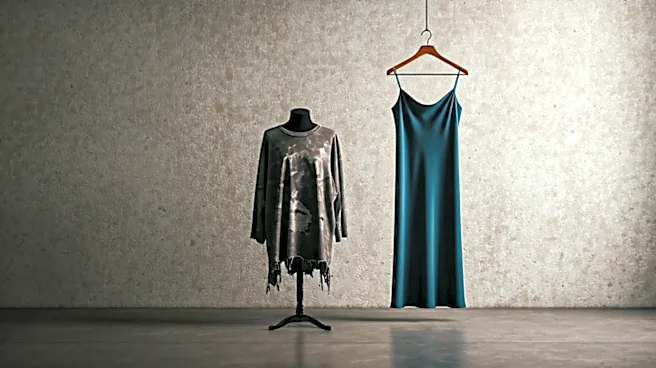
dresses that recall early Kate Moss, the deconstructed tailoring that echoes the work of Belgian minimalists, and the tough, moody grunge layering that feels both rebellious and strangely comforting. Look closely at the collections of London’s most celebrated talents, and the fingerprints of the 90s are everywhere: the low-slung waistlines, the sheer fabrics, the intellectual and often androgynous approach to getting dressed. It’s a specific flavor of cool—less polished than the 80s, less frantic than the early 2000s—that has become the city’s default aesthetic language.
Why This Decade, Why Now?
This isn't just simple nostalgia. The obsession with the 1990s speaks volumes about our current cultural mood. For many, it represents the last analog decade—a time before the internet fully reshaped our lives, before social media demanded constant performance, and before influence was measured in likes. There’s a yearning for the perceived authenticity and raw creativity of that era. Designers are tapping into a desire for clothes that feel real and unpretentious. The minimalism of the 90s also aligns with a modern push toward sustainability and timelessness; a perfectly cut slip or a stark blazer feels like an investment, not a disposable trend. Furthermore, the decade’s political and social undertones resonate today. The 90s were a period of economic uncertainty and cultural shifts, and the fashion reflected that with a mix of gritty realism and hopeful experimentation—a combination that feels incredibly relevant in the 2020s.
On the Runway: London's Modern Masters
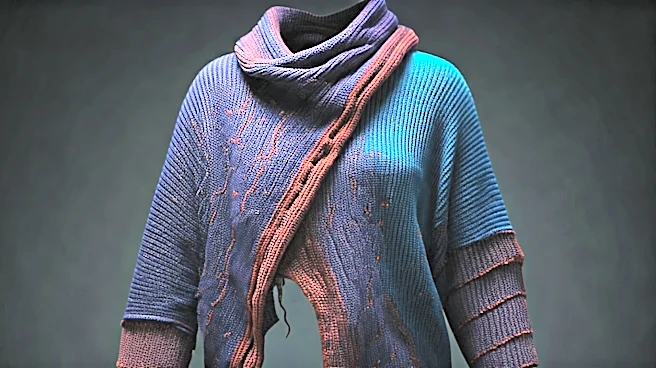
The evidence is impossible to ignore. JW Anderson, one of London’s foremost trendsetters, consistently plays with 90s-era subversion, offering up twisted basics and clever, minimalist silhouettes that feel like an intellectual puzzle. Simone Rocha, known for her darkly romantic vision, often channels a kind of distressed, deconstructed elegance that owes a debt to the avant-garde spirit of the decade. Newer names, too, are picking up the thread. We see it in the rave-culture brights and baggy shapes from designers like Conner Ives, or the sensual, body-conscious knitwear that evokes the work of Helmut Lang. Even the tailoring has a 90s slouch. It’s not about carbon-copying looks, but about adopting the decade’s core principles: a focus on silhouette, an embrace of imperfection, and the idea that style should be personal and a little bit defiant.
A Uniquely British Obsession
While the 90s revival is a global phenomenon, it has a special resonance in London. The decade was a watershed moment for British culture, famously dubbed “Cool Britannia.” It was the era of Britpop, the Young British Artists (YBAs) like Damien Hirst, and, most importantly for fashion, the rise of a generation of revolutionary London-based designers. Alexander McQueen, John Galliano, and Hussein Chalayan weren’t just making clothes; they were creating provocative, narrative-driven art that put London firmly at the center of the global fashion map. For today’s London designers, looking back at the 90s is not just about revisiting a trend—it’s about reconnecting with a golden age of British creativity, a time when the city’s fashion scene was at its most fearless, innovative, and influential. They are, in a sense, revisiting their own heritage.