






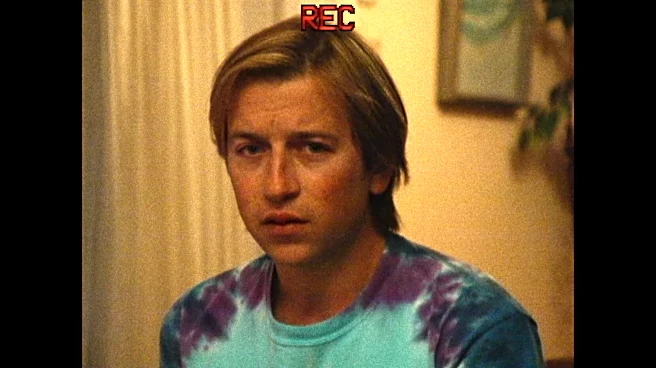
Dazed and Confused (1993)
If Licorice Pizza is a hazy dream of 1973, Richard Linklater’s Dazed and Confused is the definitive hangout movie for the last day of school in 1976. It’s less a plot-driven story and more a perfectly rendered vibe, following a sprawling cast of high
schoolers as they cruise around, look for parties, and figure out their next move. Like Anderson’s film, it thrives on its episodic nature, killer soundtrack, and the feeling that you’re just along for the ride. The film captures the rebellion, freedom, and boredom of suburban teenage life with an authenticity that feels timeless, making it the perfect spiritual sibling to Alana and Gary’s Valley adventures.
Almost Famous (2000)
Cameron Crowe’s semi-autobiographical masterpiece is a love letter to 1970s rock and roll, seen through the eyes of a teenage journalist. Much like Gary Valentine, 15-year-old William Miller finds himself in an adult world he’s not quite ready for, navigating the complexities of ambition, love, and the painful process of growing up. The film shares Licorice Pizza’s fascination with a specific era, its reliance on music to drive the story, and a central relationship that blurs the lines between friendship and romance. At its core, it's about the search for identity and the powerful, messy business of finding your people.
American Graffiti (1973)
Before Star Wars, George Lucas directed this nostalgic look at a single night of cruising, romance, and teenage anxiety in 1962. It’s the original template for the multi-character, soundtrack-heavy hangout film, and its influence on Licorice Pizza is undeniable. Set over one summer night, the story follows recent high school grads wrestling with their futures. The film is steeped in a sense of innocence on the brink of change, capturing a moment in time with warmth and affection. The constant presence of cars and the episodic encounters at diners and drive-ins create a direct throughline to Gary and Alana’s San Fernando Valley.
The Graduate (1967)
While its tone is more cynical, The Graduate is a crucial touchstone for Licorice Pizza. Set in a similarly affluent Southern California, it centers on Benjamin Braddock, a recent college grad suffering from a profound sense of alienation and uncertainty about his future. The film’s most famous element—Benjamin’s affair with the older, married Mrs. Robinson—serves as an obvious precursor to the unconventional age-gap dynamic between Gary and Alana. Beyond that, both films masterfully use their setting and a killer soundtrack to explore themes of youthful confusion and the suffocating expectations of the adult world.
Shampoo (1975)
For a more satirical and melancholic dive into 1970s Southern California, look no further than Hal Ashby’s Shampoo. The film stars Warren Beatty as a promiscuous, in-demand Beverly Hills hairdresser juggling his clients and lovers on the eve of the 1968 election. The character of George Roundy, a charismatic but emotionally adrift hustler, feels like a spiritual cousin to the real-life figures, like Jon Peters, who populate Licorice Pizza. Shampoo expertly blends sexual farce with a sharp critique of a self-absorbed culture, capturing the moral drift of an era with a bittersweet edge that resonates with Anderson’s film.
20th Century Women (2016)
Though set in Santa Barbara in 1979, Mike Mills’ film shares Licorice Pizza’s loose, anecdotal structure and its deep affection for its characters. The story follows a teenage boy, Jamie, being raised by his bohemian mother (Annette Bening) and two younger women. Like Anderson, Mills is a master of evoking a specific time and place, using music, archival footage, and rich character portraits to build a world that feels completely lived-in. It's a funny, warm, and deeply intelligent coming-of-age story that is less about what happens and more about the people it happens to, making it a wonderful modern companion piece.