


The Myth Born in the Water
Let's be fair, the stereotype exists for a reason. The modern summer blockbuster was born on June 20, 1975, when a film about a giant shark terrified a generation of beachgoers. Steven Spielberg’s Jaws was a sensation that changed Hollywood forever. It
proved that the summer, previously a dumping ground for movies, could be the most lucrative season of the year. Two years later, Star Wars solidified the formula: a high-concept, effects-driven spectacle that became a cultural event. For decades, this blueprint defined the season. Studios chased massive opening weekends with easily digestible stories that appealed to the broadest possible audience. The goal was to create a four-quadrant hit—a movie for everyone—which often meant sanding down complex themes in favor of pure, unadulterated entertainment. This gave us some of the most beloved action and adventure films in history, but it also cemented the idea that summer was for fun, not for thinking.
When Auteurs Own the Summer
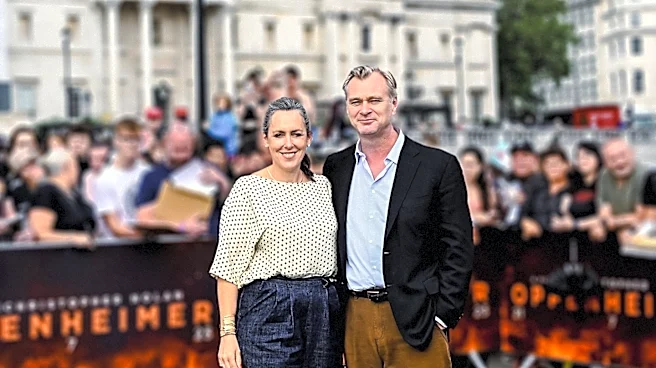
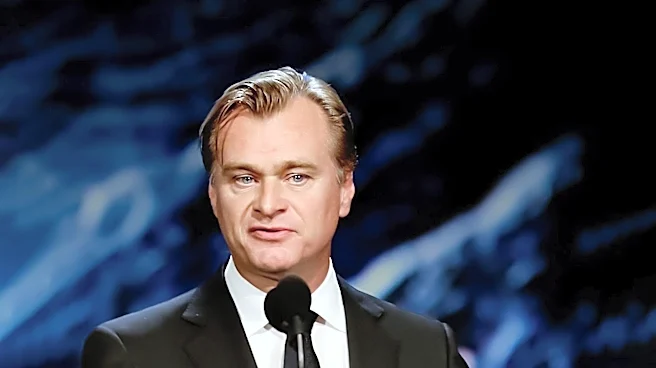
The tide began to turn when ambitious directors realized they could use the massive summer audience to their advantage. No one exemplifies this better than Christopher Nolan. He took the machinery of the blockbuster and filled it with heady ideas. The Dark Knight wasn't just a superhero sequel; it was a post-9/11 crime epic wrestling with chaos and order. Inception was a summer heist film where the target was the subconscious mind. Last year's Oppenheimer dropped in the heart of July and became a nearly billion-dollar-grossing, three-hour historical drama about theoretical physics and nuclear anxiety. Nolan proved that you didn't have to choose between a big budget and big ideas. He's not alone. Directors like Jordan Peele have used summer release dates for their socially conscious horror films like Nope, turning genre expectations on their head while exploring themes of spectacle and exploitation.
Big Ideas in a Bright Pink Box
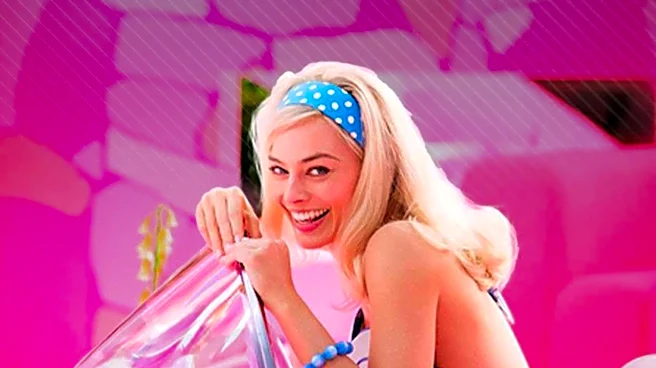
Perhaps no film has shattered the “shallow summer movie” myth more comprehensively than 2023’s Barbie. On the surface, it was a film based on a toy, wrapped in a bubblegum-pink marketing campaign. It screamed “popcorn entertainment.” Yet, director Greta Gerwig and her team delivered a Trojan horse. The film was a sharp, funny, and deeply felt exploration of patriarchy, existential dread, and the complexities of modern womanhood. It sparked global conversations and became a cultural touchstone, all while earning over a billion dollars. It's a strategy we see more often: studios use the accessible framework of a summer film to smuggle in surprisingly subversive or emotional themes. Pixar has been doing this for years, using talking toys and colorful monsters to explore mortality (Toy Story 3) and mental health (Inside Out). These films prove that mass appeal and thematic depth are not mutually exclusive.
Beyond the Cape and Cowl
Even as superhero franchises continue to dominate the summer schedule, the landscape is more varied than it appears. The rise of streaming has put pressure on studios to make theatrical releases feel like true events, and sometimes that means betting on originality and quality. While many comic book movies follow a comfortable formula, we've also seen summer releases like Logan, a somber, R-rated western about aging and regret that happened to star a mutant with claws. Furthermore, the season is peppered with unique visions that defy easy categorization. Think of Edgar Wright's Baby Driver, a crime thriller choreographed to a killer soundtrack, or the A24-produced horror hit Hereditary, which offered a different kind of summer heat. These films succeed by offering an alternative to the main-stage attraction, proving there's a large audience hungry for something more than just another sequel or reboot.