



The Fabric Story: Natural Fibers vs. Modern Blends
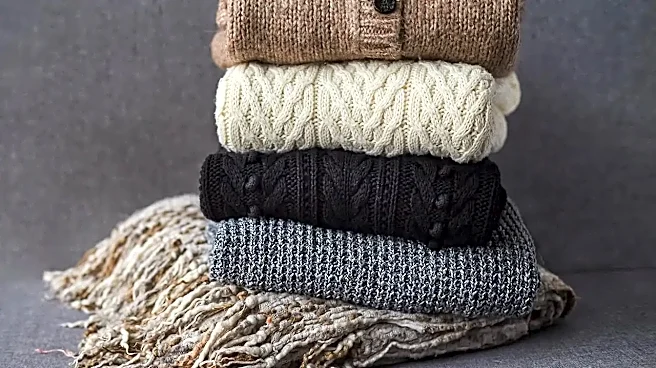
The first place to judge a coat is its fabric. Many vintage coats, hailing from an era before fast fashion, were made with a premium on high-quality materials. You'll often find thrifted coats with high percentages of natural fibers like wool and cashmere,
which are prized for their warmth, breathability, and durability. A label showing 80% wool or higher is a great sign. In contrast, some modern designer coats can have surprisingly ordinary fabric compositions for their price, sometimes featuring a higher percentage of synthetic fibers like polyester or acrylic. While a small amount of nylon can add durability, a coat that's majority-synthetic won't offer the same long-term shape retention or insulation as a high-quality wool garment.
Stitching and Seams: The Invisible Markers of Quality
How a coat is put together is just as important as what it's made of. A well-made garment, new or old, will have tight, even, and high-density stitching with no loose threads. The seams should lie flat without puckering. On many older or high-end coats, you'll find reinforced stress points, especially around pockets, and finished or enclosed internal seams, which prevent fraying and signal careful craftsmanship. In mass production, speed often takes priority, which can lead to shortcuts like lower stitch density and unfinished internal edges. When thrifting, it's worth turning a coat inside out to check the seams—it tells you a lot about how it was made and how it will last.
The Inner World: Lining and Pockets
A quality lining is a mark of a superior coat, not an afterthought. In better-made coats, both vintage and new, linings are typically crafted from smooth, breathable materials like cupro, viscose, or silk. These fabrics allow the coat to slide on easily over sweaters and prevent overheating. A missing or poorly attached lining is often a red flag that a manufacturer cut corners. Pockets are another clue. Well-constructed coats often feature functional details like deep, lined pockets, flaps, and sometimes even hidden interior pockets for valuables. These elements cost more to produce and are often skipped in cheaper garments.
Hardware and Details: Buttons and Buttonholes
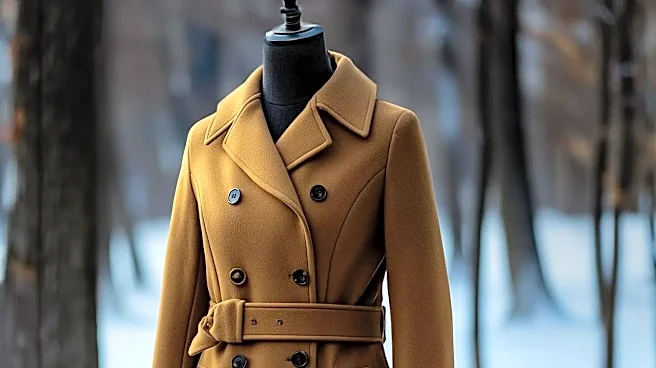
The small details often tell the biggest story. On a high-quality coat, buttons are likely to be made from durable, natural materials like horn or corozo, not plastic. They should be sewn on securely, sometimes with a shank (a small loop on the back) to provide space for heavy fabric. Buttonholes offer another sign of quality; they should be clean, dense, and neatly finished, without any fraying threads. While a new designer coat should have pristine hardware, a thrifted coat with good 'bones'—like natural-fiber buttons—shows it was made with quality in mind from the start. Checking that zippers glide smoothly and snaps feel substantial is a quick test for any garment.
The Verdict: When Does a Thrifted Coat Win?
A thrifted coat can absolutely beat a new designer one on construction, but it's not a given. The reality is that not all vintage clothing was made well, and not all designer clothing is worth its high price tag. However, a vintage coat that has already survived for decades is a testament to its own durability. Before the rise of fast fashion, garments were often made with greater attention to detail and from more robust materials, as clothing was seen as a long-term investment. The sweet spot is finding a well-preserved vintage coat from a reputable brand known for quality, like Pendleton wool, which often holds up for decades. This piece can easily outperform a contemporary designer coat where the cost is more reflective of marketing and branding than superior materials and construction.