




The Setup: TV Nerd Bingo
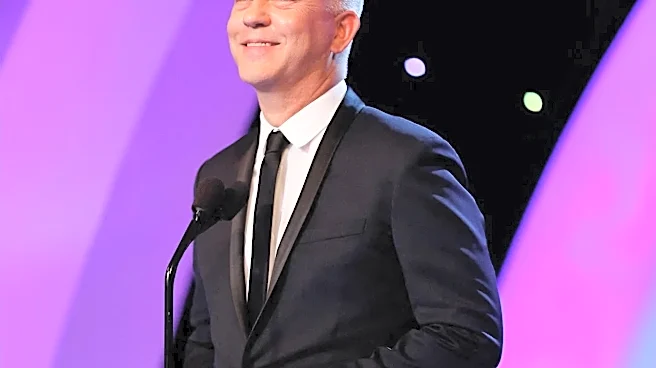
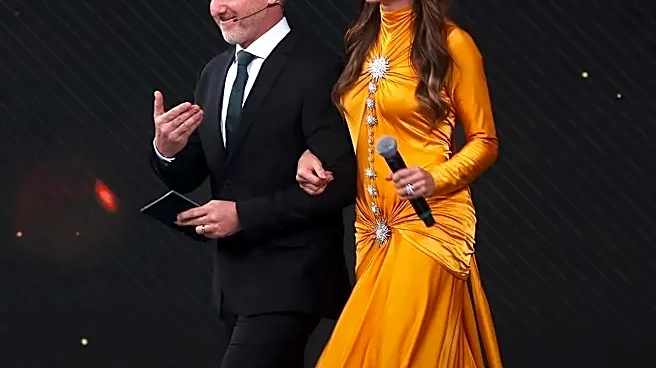
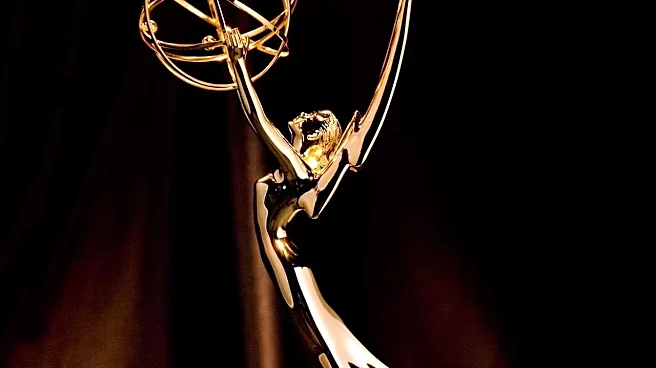
Forget taking a sip every time someone thanks their agent. This is 'TV Nerd Bingo,' a game designed to make you appreciate the artistry behind the year's best shows. The 78th Primetime Emmy Awards, hosted by Mariska Hargitay, are airing live on September
14 from Los Angeles. This game works with or without beverages, and the goal isn't just to win—it's to notice the details that make a show award-worthy. Instead of a bingo card with random tropes, your board is filled with elements of craft. The first person to spot five and articulate why they matter gets bragging rights. The game will be full of contenders, from heavyweight dramas like 'The Pitt' to buzzy comedies like 'Widow's Bay' and 'Hacks.'
Category 1: The Director's Signature
This is for the auteurs. Before the show, look up the directors nominated for Outstanding Directing. Do they have a signature style? Maybe it’s a specific type of tracking shot, a unique framing of characters during dialogue, or a recurring visual motif. When a clip is shown from a nominated episode, be the first to correctly identify a director's trademark. For example, if a nominee is known for their unsettling, sterile wide shots, like those that might appear in a show like the dystopian 'Pluribus,' you'd call it out. The point goes to whoever can explain what that directorial choice accomplishes for the scene. It’s about recognizing the hand that guides the story.
Category 2: Costume Storytelling
The Emmy for Outstanding Contemporary Costumes isn’t just for pretty clothes; it’s for storytelling. In the clips for nominated actors and series, pay close attention to the wardrobe. Does a character’s color palette change as their journey progresses? Does the tailoring of a suit reflect their rising or falling status? A show like 'Hacks' is brilliant at this, using fashion to define the generational and professional gap between its characters. To score this point, you have to explain what a specific costume choice tells us about the character or the world they inhabit, beyond just looking good.
Category 3: The 'Sound of Silence' Award
Sound design is one of television's most powerful, yet overlooked, tools. This category isn't about the score; it's about the absence of sound or the use of ambient noise. Listen during the dramatic clips. Does a tense scene use dead silence to amplify the awkwardness or fear? Does a character's quiet breathing become the only thing you hear? A thriller like 'The Beast in Me' or a comedy-horror like 'Widow's Bay' might use this to create suspense. The first person to point out a moment where the lack of music or strategic use of sound creates a powerful emotional effect wins the point.
Category 4: The Background Business
Great television feels lived-in, and that’s often thanks to the supporting actors or even extras. While the main actors deliver their Emmy-nominated lines, look at what’s happening in the background. Is there a subtle, brilliant reaction from a supporting player that enriches the scene? A show like the medical drama 'The Pitt' or the ensemble comedy 'Shrinking' thrives on this. Perhaps a character played by Harrison Ford in 'Shrinking' offers a perfectly timed, silent eye-roll that steals the scene. Spotting and celebrating the unsung hero in the background is a mark of a true TV connoisseur.
Category 5: The Monologue Pivot
An Emmy-clip monologue isn't just about delivering a big speech; it's about the emotional turn. The best actors can pivot on a dime, moving from anger to vulnerability, or from confidence to doubt, in a matter of seconds. Watch the nominated lead actors, like Matthew Rhys in 'Widow's Bay' or the contenders in 'The Pitt'. Identify the exact moment—the single word or breath—where the emotional tide of the monologue turns. To win the point, you have to call out the pivot and explain what the actor did physically or vocally to sell it. It’s a masterclass in performance you can spot from your couch.