





The 'One Thing Off' Rule, Reimagined
You’ve probably heard the classic Coco Chanel advice: 'Before you leave the house, look in the mirror and remove one accessory'. While its exact origin is debated, the sentiment has become a style commandment. But its true power isn't about mindlessly
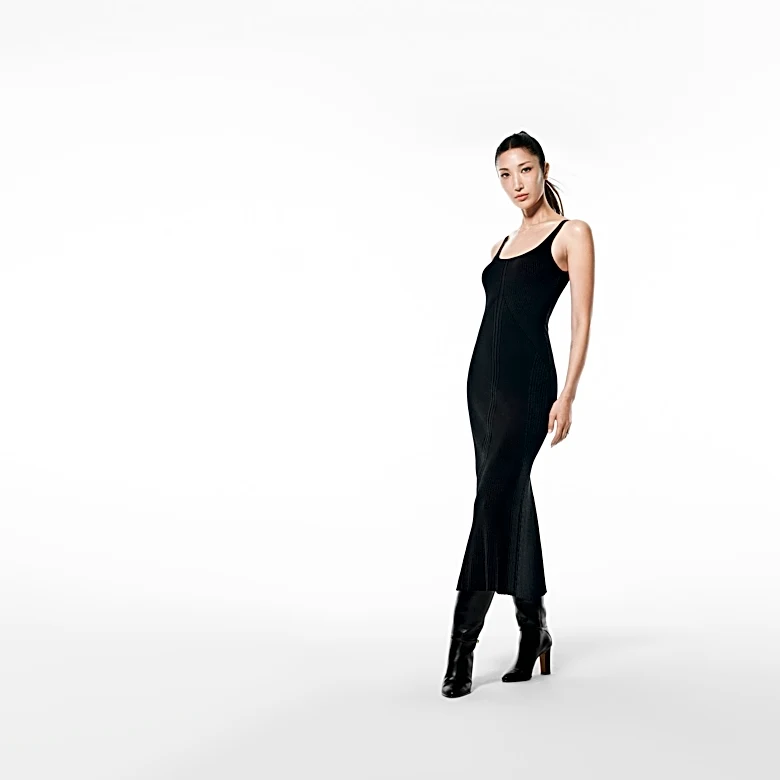
plucking off a bracelet. It's about revision and refusal. The modern interpretation isn’t just about avoiding an over-accessorized look; it’s about making a conscious choice to create a single, powerful focal point. By removing potential distractions, you allow the best parts of your outfit to command attention. It’s the difference between a look that feels busy and one that feels confident.
Finding Your Outfit's Focal Point
Every great outfit has a story, and a focal point is the main character. It's the one element that naturally draws the eye. This could be a piece of clothing—like a sculptural blazer or a brightly colored top—or a single, standout accessory. The goal is to let that one piece do its job without competition. If your dress has a dramatic neckline, a necklace can clutter the message. If you’re wearing bold, architectural earrings, a bare neck gives them the space to shine. Stylists refer to this as creating a clear hierarchy in your look. Everything else in the outfit should play a supporting role, using neutral tones and simple silhouettes to frame your chosen statement. This contrast is what makes the focal point feel intentional and powerful, not accidental.
The Quiet Luxury of Restraint
The philosophy of removing accessories dovetails perfectly with the rise of 'quiet luxury'. This aesthetic favors impeccable craftsmanship and timeless design over flashy logos and fleeting trends. It’s a style built on the idea that true elegance whispers rather than shouts. In this world, accessories are minimal and chosen for their quality and subtlety: a delicate gold chain, a structured leather belt, or a classic watch. The luxury is in the edit. A bare wrist or an unadorned neckline can feel more modern and sophisticated than one loaded with jewelry. This restraint communicates a deep sense of confidence; it suggests you don’t need excess to make an impact. The quality of your clothes and the precision of their fit become the main event.
How to Practice Intentional Subtraction
Learning to 'un-accessorize' is a skill you can build. Start by identifying the hero of your outfit. Is it a vibrant print, a unique silhouette, or a beautiful texture? Once you have your star, edit ruthlessly. Remove anything that competes for attention. Try the 'one-piece rule': let a statement earring have its moment by forgoing a necklace. Or, if your handbag is the focus, keep your jewelry understated. Another approach is the 'two-out-of-three' rule: excel at your outfit and hair, but keep makeup simple. This creates balance and prevents a look from feeling overdone. Pay attention to how the outfit feels. Often, removing an item creates a sense of ease and polish that addition could never achieve. It’s about giving your best pieces room to breathe.