






Beyond the Headliner: What is an Emotional Arc?
A run of show is the minute-by-minute playbook for an event, detailing everything from technical cues to talent transitions. [1, 5] But a truly masterful one does more than just list times and tasks; it designs an experience. Think of your festival as a film.
It needs an engaging start, rising action, moments of tension and release, a climax, and a satisfying conclusion. This is the emotional arc. It’s the intentional shaping of the audience’s energy and feelings from the moment they arrive to the moment they leave. Instead of a flat, exhausting marathon of performances, you create a dynamic wave of experiences that keeps them engaged, surprised, and connected. This requires thinking beyond the main stage and considering the entire festival grounds as a single, cohesive narrative environment.
Mapping the Full Attendee Journey
Building this arc starts with mapping the entire attendee journey, not just the on-stage programming. [17] This strategic process involves visualizing every interaction a guest has with your event. [22] What do they feel when they first walk through the gates? Is it chaotic and stressful or awe-inspiring and welcoming? Consider the flow between stages, the placement of food vendors, and the availability of restrooms. [12] Each of these touchpoints contributes to their overall emotional state. A long, frustrating walk between two high-energy sets can drain the momentum you’ve worked hard to build. By mapping this physical and emotional path, you can identify potential friction points and turn them into opportunities for positive engagement. [17, 22]
The Power of Valleys: Programming Downtime
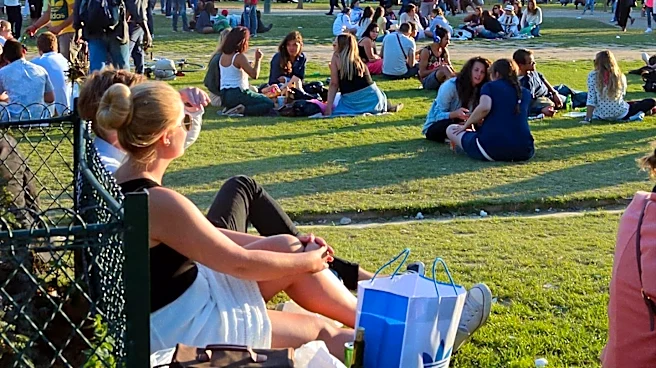
One of the most counterintuitive secrets to creating powerful peaks is to plan for the valleys. Non-stop, high-intensity stimulation leads to burnout. An effective schedule alternates between high-energy moments and periods of rest and reflection. [14] These “valleys” are not dead space; they are crucial psychological resets. They allow attendees to process what they’ve seen, recharge their social and physical batteries, and explore other aspects of the festival. This could be a shaded lounge with ambient music, an interactive art installation, or a quiet zone away from the main thoroughfares. [8] These breaks prevent cognitive overload and make the subsequent peaks feel even more impactful. [14] Shared struggle, like enduring a bit of discomfort, can even foster a powerful sense of group unity, but intentional rest prevents that struggle from turning into outright exhaustion. [19]
Tools of the Trade: Light, Sound, and Space
Producers use a whole toolkit to shape the audience's mood. Light and sound are primary dramaturgical tools. [6] Lighting can direct focus, mark transitions, and create powerful emotional highlights, especially when synchronized with music and video. [6, 16] Think of a gradual shift from warm, relaxed lighting during a daytime set to a dramatic, fast-paced light show for a primetime electronic act. Sound design isn't just for the stages; the ambient noise in food courts or walkways influences mood. Even the physical space—creating areas of compression and release, wide-open fields versus intimate, enclosed installations—guides how people feel and interact. Every technical element is an opportunity to reinforce the emotional narrative you’re building. [2]
The 'False Climax' and the Grand Finale
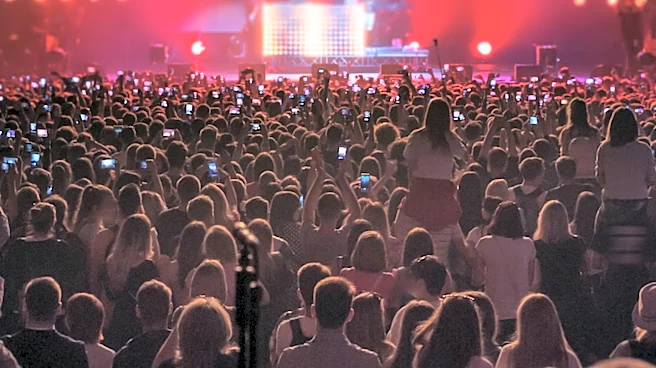
Advanced festival architecture often employs a “false climax.” This is a major peak scheduled before the final headliner, designed to re-energize the crowd and create a memorable mid-event high point. It could be a surprise legacy act, a spectacular pyrotechnic display, or a fan-favorite DJ set in the late afternoon. This prevents the energy from slowly fading before the end of the night. The grand finale then needs to provide more than just a great performance; it should offer a sense of communal closure. Successful festivals often build toward a shared ritual, like a synchronized light effect or a massive singalong, that fosters a feeling of connection and makes the experience feel complete. [6] It's the final beat in a story that leaves the audience feeling fulfilled, not just tired.