



More Than Just Dress-Up
The hum of the Javits Center during New York Comic Con is a symphony of pop culture, but the main event for many isn't on the star-studded panels—it's walking the show floor. Here, fans don't just consume their favorite media; they embody it. And in recent
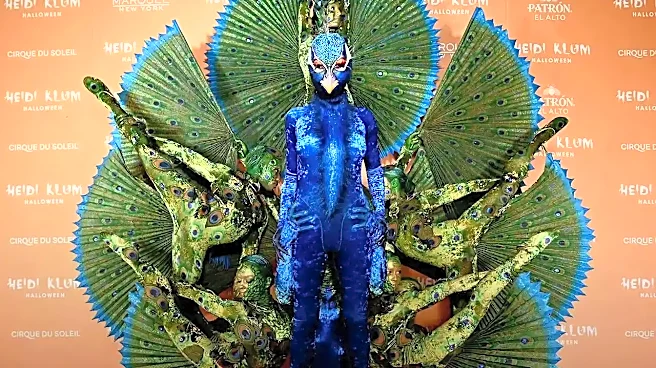
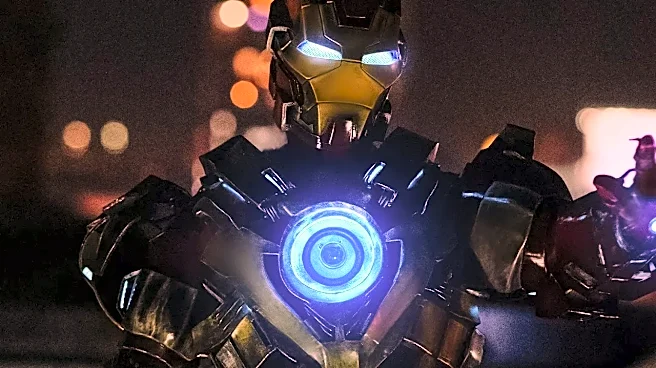
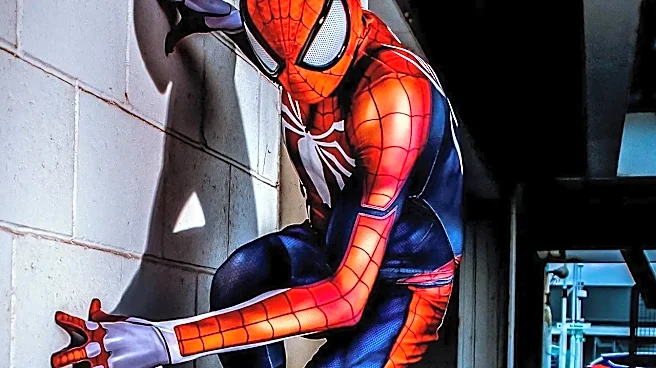
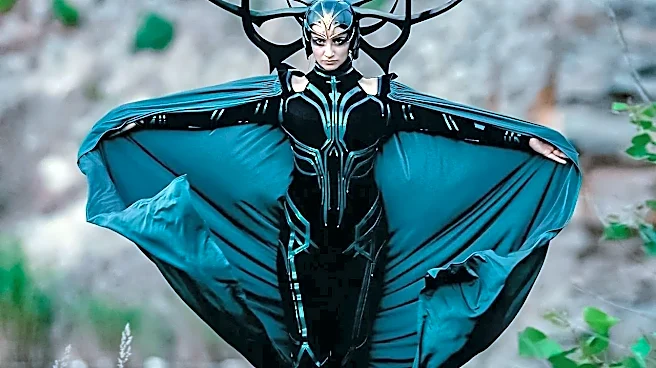
years, that embodiment has reached a staggering level of sophistication. We’re not just talking about well-sewn spandex anymore. We’re talking about cyberpunk characters with custom LED lighting, intricate armor that looks forged from otherworldly metals, and creature effects that could have crawled off a movie set. What was once a craft of fabric and cardboard has evolved into a high-tech discipline combining 3D modeling, electronics, and advanced material science. The best creations at NYCC are no longer just “costumes”; they are functioning prototypes, feats of engineering and artistry that rival the work of professional effects studios.
The Technology Democratizing Detail
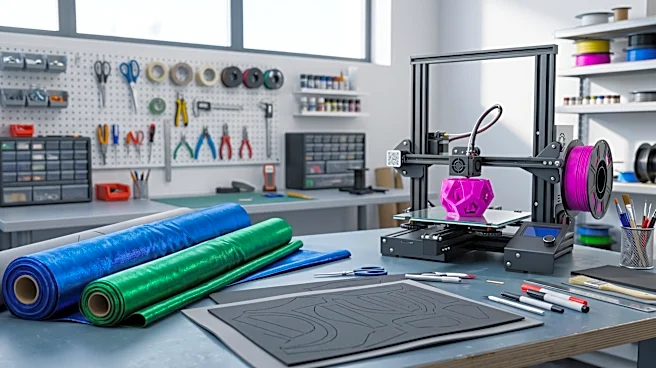
The primary catalyst for this shift is the accessibility of once-exclusive technology. Affordable, high-quality 3D printers are chief among them. For decades, creating a perfectly symmetrical piece of armor or a detailed sci-fi weapon required painstaking, highly skilled manual labor with materials like EVA foam or clay. Today, a cosplayer can download or design a 3D model, print it with remarkable precision, and then apply their artistry to the finishing and painting. This allows for a level of detail that was previously unattainable for most hobbyists. Beyond printing, access to online tutorials for everything from foam-smithing and electronics to theatrical makeup has created a global, open-source workshop. Creators can now learn techniques for wiring LEDs into a suit or programming a prop to move, skills that were once the sole domain of specialized Hollywood workshops.
From Show Floor to Soundstage
As the quality of cosplay has skyrocketed, Hollywood has taken notice. The line between fan and professional is now a two-way street. It's no longer unheard of for film and television productions to scout talent directly from the convention floor. Creators who have mastered the art of costume fabrication on their own are now being hired by the very studios that create the characters they love. Riki LeCotey, a prominent cosplayer, has worked as a specialty costumer on major films like "X-Men: First Class" and "Avengers: Infinity War," serving as a high-profile example of this pipeline. This trend validates the skill and dedication of the cosplay community and creates a feedback loop: as more creators see a viable professional path, the baseline level of craftsmanship across the entire hobby is elevated. The passion project in a garage can become a portfolio for a dream job.
The New Creator Economy
This professionalization isn't just happening on Hollywood sets. A robust creator economy has sprung up around cosplay, allowing the most skilled artists to turn their passion into a career. For a long time, cosplay was an expensive hobby, with costs for materials and travel adding up quickly. Now, platforms like Patreon, Ko-fi, and Etsy enable creators to monetize their work directly. They can sell digital files for 3D printing their prop designs, offer tiered subscriptions for behind-the-scenes tutorials, or take on commissions for custom costumes that can fetch thousands of dollars. While only a small percentage achieve a full-time living, the ability to generate supplementary income has transformed the landscape. It helps fund more ambitious projects, pushing the boundaries of what's possible and further blurring the line between amateur and professional.