
The World Before the Jumpman
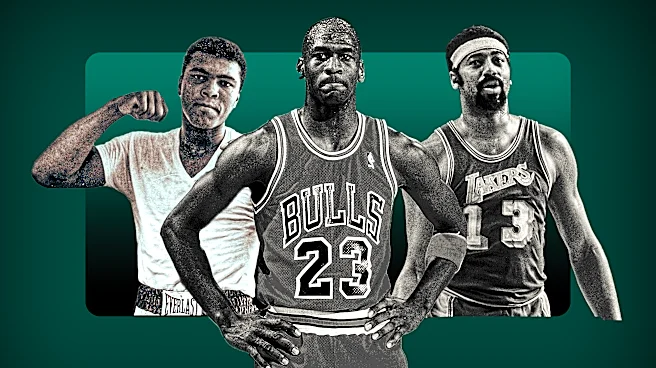
It’s impossible to talk about sneaker culture without talking about Michael Jordan. But in 1984, the future was unwritten. Converse, the official shoe of the NBA, was the dominant force, worn by superstars
like Magic Johnson and Larry Bird. Adidas was the European powerhouse known for its quality and style. Nike was the scrappy upstart. Jordan himself famously preferred Adidas and was ready to sign with them. The story goes that Adidas, confident in its market position, wasn’t prepared to give a rookie his own signature line. Nike, however, saw the future. They offered Jordan a deal that was unprecedented: his own shoe, the Air Jordan. What if Adidas had made a better offer? Sneaker culture would have lost its single most important icon. The idea of an athlete as a brand unto himself might have taken another decade to form, and the gravity of the sneaker world might have remained centered on basketball performance rather than personal storytelling and style.
My Adidas, Not My Nikes
While Jordan was taking flight, a different revolution was happening on the streets of Hollis, Queens. Run-DMC, the undisputed kings of the new hip-hop scene, didn’t care about basketball performance. They cared about looking fresh. Their uniform consisted of tracksuits, gold chains, and shell-toe Adidas Superstars—worn laceless. Their 1986 track “My Adidas” wasn’t a paid sponsorship; it was a genuine anthem of love for their favorite shoe. When the group held a Superstar up to a packed Madison Square Garden and thousands of fans did the same, it was a watershed moment. It proved that a sneaker’s cultural value could be completely detached from its athletic purpose. It cemented sneakers as a cornerstone of street fashion and hip-hop identity. Had Run-DMC favored a different brand, or had the song never been made, the powerful link between sneakers and music might have formed in a completely different way, or not at all.
When Skateboarding Changed Everything
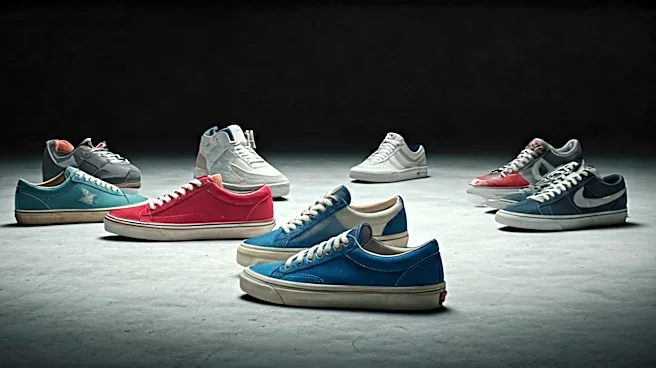
While basketball and hip-hop were creating pristine, box-fresh collecting culture, another subculture was beating its shoes to death. Skateboarders in the ‘80s and ‘90s prized durability and function above all else. Brands like Vans and Airwalk built a loyal following by making simple, tough shoes that could withstand the abuse of a gritty parking lot. For skaters, scuffs and rips weren’t flaws; they were badges of honor that told a story. This ethos was the complete opposite of the sneakerhead’s desire to keep their kicks immaculate. When Nike finally broke into the scene with its SB (Skateboarding) line in the early 2000s, it had to earn its credibility. This fusion introduced a new appreciation for authenticity and wear-and-tear into the broader sneaker world, influencing everything from the distressed look of designer sneakers to the celebration of “beaters” in a collection.
The Rise of Boutiques and Digital Hype
Before sneaker blogs and Instagram, how did you find rare kicks? You had to know a guy. Or, you had to stumble upon a small, independent vintage shop or boutique in New York, L.A., or Tokyo. These stores were the original gatekeepers and curators. They imported hard-to-find models from Japan, championed obscure colorways, and built community long before the internet. They were the physical embodiment of “if you know, you know.” This era of digging in crates and building personal relationships created a different kind of hype—one based on scarcity and discovery. The arrival of the internet changed the game completely. Suddenly, information was everywhere, and limited drops could be coordinated globally. While this democratized access, it also created the industrial-scale resale market we know today. Without those early brick-and-mortar tastemakers, sneaker culture might have never developed the deep sense of history and storytelling that fuels today’s hype machine.