


1. The Biennial World Cup Push
You’ll hear this one a lot: “Why wait four years?” This isn't just fan impatience; it was a serious proposal from FIFA in 2021 to hold the men's and women's tournaments every two years. Proponents, led by former Arsenal manager Arsène Wenger, argued it would
mean more opportunities for nations to qualify and host, generating more revenue for global football development. The opposition was fierce. European and South American federations (UEFA and CONMEBOL) threatened boycotts, arguing it would destroy the tournament's prestige, oversaturate the market, and cause havoc for club league schedules and player welfare. The idea has been shelved for now, but the fundamental tension—scarcity and prestige vs. frequency and revenue—will never go away.
2. Was the Qatar Winter Tournament a Mistake?
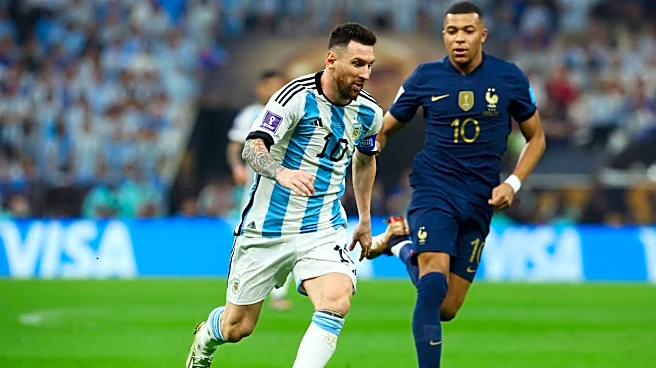
The 2022 World Cup in Qatar was the first ever held in November and December. This was a seismic shift, forced by the unplayable heat of a Qatari summer. The debate rages on. One side argues it was a necessary, one-time adaptation that, despite the controversy, produced a fantastic tournament with players in mid-season peak form, not exhausted from a long club campaign. The other side argues it was a colossal mistake that proved the hosting choice was flawed from the start. They point to the massive disruption of major European league calendars, the compressed schedule, and the precedent it set. Was it a pragmatic success or a sign of FIFA prioritizing money over tradition and logistics? You'll hear both views passionately defended.
3. Did They Break Perfection by Expanding to 48 Teams?
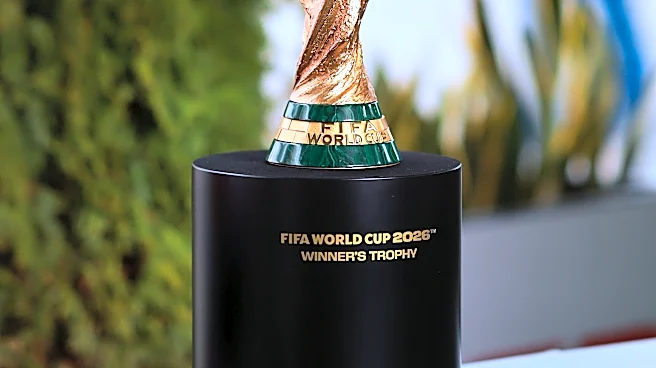
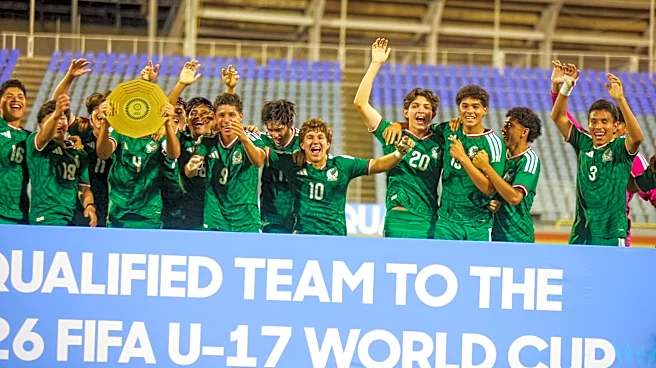
From 1998 to 2022, the 32-team format was widely considered the sweet spot. It was clean: eight groups of four, with the top two advancing to a straightforward 16-team knockout bracket. It was simple, dramatic, and created incredible stakes. Starting in 2026, the tournament expands to 48 teams. Supporters call this a victory for global inclusion, giving more countries a realistic chance to participate in football’s biggest event. Detractors see it as a blatant cash grab that will dilute the quality of the group stage, create confusing formats (like the awkward three-team groups that were initially proposed and then scrapped), and lead to more meaningless matches. The argument boils down to a core question: Is the World Cup for the elite, or for everyone?
4. The 'What If' of the World War II Gap
This is a more historical, almost mythical debate among old-school fans. The World Cup was not held in 1942 or 1946 because of World War II and its aftermath. This created a 12-year gap between the 1938 and 1950 tournaments. The debate isn't about the decision—it was obviously necessary—but about the lost history. Fans love to speculate about the 'ghost champions.' Would Italy, winners in '34 and '38, have three-peated? What would a mythical 1940s Argentine or Hungarian 'golden generation' have accomplished on the world stage? It’s a bittersweet thought experiment about the players and teams whose peak years were stolen by history, a reminder that the tournament’s timeline is intertwined with world events.
5. Club vs. Country: The Eternal Scheduling War
This debate underlies all the others. The global soccer calendar is a zero-sum game. Every day a player spends with their national team is a day they aren't with the billion-dollar club that pays their salary. The World Cup is the ultimate flashpoint. You’ll hear arguments that the mandatory pre-tournament training camps are too long, or too short. Fans and managers of big clubs complain when their star players return injured or exhausted from international duty. Conversely, national team fans fume when a player seems to prioritize their club's Champions League run over a crucial World Cup qualifier. It’s a perpetual tug-of-war over an athlete's time and energy, and the World Cup timeline is the main battlefield.