



It's a Marathon, Not a Sprint
A typical Hollywood premiere is a one-night affair. A film is shown, actors walk a carpet, and everyone goes home. The Cannes Film Festival, by contrast, is a nearly two-week-long spectacle. Dozens of films premiere, from tiny, experimental international features to massive Hollywood blockbusters. This extended timeframe creates a sense of an ongoing narrative. Over the course of the festival, stars are born, Oscar buzz begins, and controversies erupt. It’s not a single event; it's a season of television packed into 12 days, generating daily headlines and a constant feed of A-list activity that no single premiere can ever hope to match.
The Red Carpet Is High-Stakes Theater
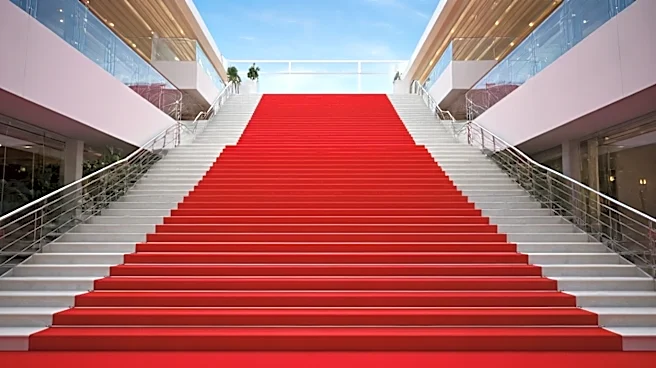
The Cannes red carpet isn’t just a place for photos—it’s a performance space with its own rigid rules and traditions.
The iconic 24 steps of the Palais des Festivals are a gauntlet of global media attention. The dress code is notoriously strict (black tie for men, gowns for women), turning fashion into a competitive sport. A misstep can become an international incident, while a stunning look can launch a career or redefine a star’s image. Unlike the more relaxed vibe of a Los Angeles premiere, Cannes treats the carpet as a sacred, high-stakes stage. This formality and sense of occasion elevate every arrival into a major cultural moment.
Art-House Cred Meets Hollywood Glamour
Cannes is one of the few places on Earth where a three-hour Romanian drama can get the same level of press attention as the premiere of the new 'Mad Max' or an Indiana Jones sequel. The festival’s prestige comes from its unique ability to blend the most esoteric corners of world cinema with the biggest names in Hollywood. A-listers come here not just to promote their summer blockbusters but to attach their names to smaller, riskier projects, hoping to gain artistic credibility. This fusion is key. The presence of Tom Cruise or Cate Blanchett brings attention to the festival, which in turn shines a light on films and filmmakers that would otherwise never get a global platform.
A Billion-Dollar Marketplace Is Happening Off-Screen
While celebrities are posing on the carpet, the real engine of Cannes is humming in the background. The Marché du Film, held simultaneously, is the world's largest film market. Thousands of producers, distributors, and financiers descend on the Croisette to buy and sell films, fund new projects, and forge partnerships. A movie you might see in a U.S. theater next year was likely bought and sold in a hectic meeting room in Cannes this year. This under-the-radar-but-massive commercial operation is why so many industry power players are present. The stars are the public face, but the business being conducted is what makes the entire global film industry go 'round.
It's a Global Stage for More Than Just Film
Because the entire world is watching, Cannes inevitably becomes a platform for more than just cinema. It’s a prime location for political statements, with actors and directors using their press conferences to speak out on global issues. It’s a magnet for luxury brands, who host lavish, exclusive parties on yachts and in villas that become the stuff of legend. It's a place where a supermodel, a tech billionaire, and an auteur director might all be in the same room. The festival creates a temporary, hyper-glamorous universe where the hierarchies of film, fashion, business, and politics all converge. A normal premiere is about selling one movie; Cannes is about the entire culture of celebrity itself.