






"Review" (Season 1, Episode 7)
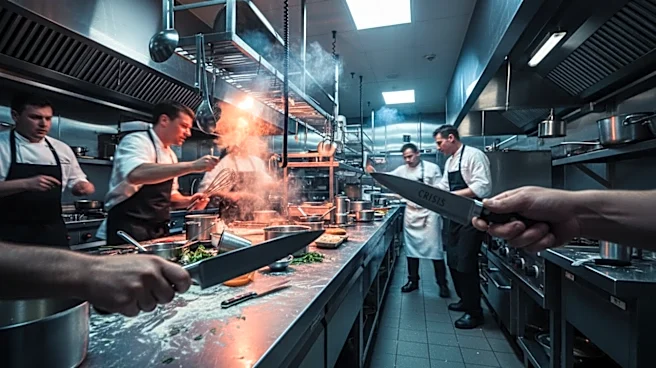
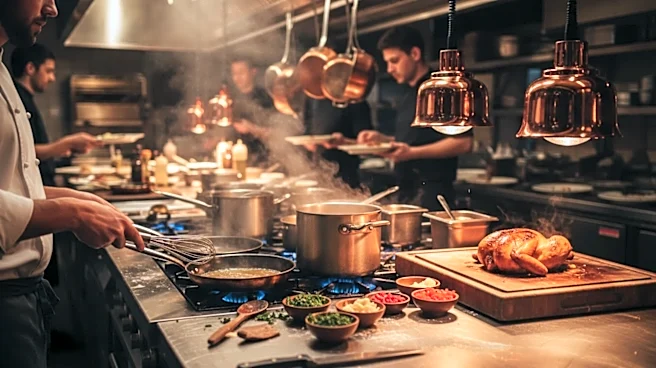
This is the episode that put everyone on notice. The single-take, 18-minute sequence of a ticket machine gone haywire is the purest distillation of the show's signature panic attack-as-art style. Watching it again isn't just about admiring the technical
feat; it's about remembering the pressure cooker that forged the Carmy-Sydney partnership. It’s a raw, unfiltered look at the moment things boil over, revealing the cracks in every character. To understand the stakes of Season 5, you have to remember the visceral stress of Season 1, and "Review" is the most potent shot of that chaotic energy you can find. It’s a foundational text for the entire series.
"Fishes" (Season 2, Episode 6)
You can't prepare for the future without confronting the past, and "Fishes" is the Berzatto family's past in all its glory and horror. This feature-length flashback to a Christmas dinner five years prior is a masterpiece of tension, starring a murderer's row of guest stars who perfectly slot into this deeply dysfunctional family. It's an hour of television that explains everything: Carmy's anxiety, Sugar's need to fix things, Richie's desperate search for purpose, and Donna's overwhelming, destructive love. Rewatching this episode is crucial to understanding the deep-seated trauma that still fuels every decision these characters make. It’s the emotional source code for the entire show.
"Forks" (Season 2, Episode 7)
If "Fishes" is the wound, "Forks" is the beginning of the healing process. This episode, centered entirely on Richie's reluctant stage at a high-end restaurant, is perhaps the most hopeful and transformative hour in the entire series. It's where Richie Jerimovich rediscovers the concept of respect—for the craft, for the customer, and most importantly, for himself. Watching him go from resentfully polishing forks to finding genuine joy in service is profoundly moving. His journey is a reminder that change is possible, even for the most stubborn souls. As we head into a new season, Richie's evolution is a cornerstone of the restaurant's identity, making this a truly essential rewatch. The final scene, with him joyfully singing along to Taylor Swift, is pure, earned catharsis.
"Omelette" (Season 2, Episode 9)
Amidst the screaming and financial terror, sometimes The Bear is about a simple, perfect act of care. That's the core of "Omelette." The episode focuses on the frantic final preparations before the restaurant's opening, but its most vital scene is quiet. Sydney, noticing Natalie is overwhelmed and hasn't eaten, makes her a beautiful, simple omelet with Boursin cheese and crushed potato chips. It's not about Michelin stars; it's about feeding someone. It's a perfect encapsulation of Sydney's ethos and the soul of the restaurant they're trying to build. This small moment of grace is a key reminder of what they're fighting for, a quiet thesis statement for the entire series.
"Napkins" (Season 3, Episode 6)
Just when you think you know the characters, The Bear finds a new layer. This episode from the third season finally gives Tina the spotlight, and it's a quiet heartbreaker. The flashback to her meeting Mikey for the first time at The Beef provides crucial context for her journey and her fierce loyalty to the restaurant. We see her life outside the kitchen, the financial struggles, and the simple act of someone believing in her that changed her trajectory. It’s a powerful exploration of how a job can become a home and how legacy is built not just by the owners, but by the people who show up every day. It beautifully underscores the theme of found family that is so central to the show’s DNA.
"Tonnato" (Season 4, Episode 9)
In a speculative look ahead, let's consider the penultimate episode of Season 4, which delivered a long-awaited, achingly real conversation between Carmy and his mother, Donna. In a moment of quiet vulnerability, the usual guards are down. It’s not about the restaurant, the stars, or the stress; it's about a mother and son finally talking to each other like adults, addressing years of unspoken pain and misunderstanding. This scene is a critical turning point for Carmy, allowing him to process a piece of his past that has loomed over his entire career. Understanding this emotional breakthrough is vital, as it likely sets the stage for the version of Carmy we'll meet in Season 5—perhaps one who is finally cooking for himself, not just running from his ghosts.