



The All-Seeing Video Boards
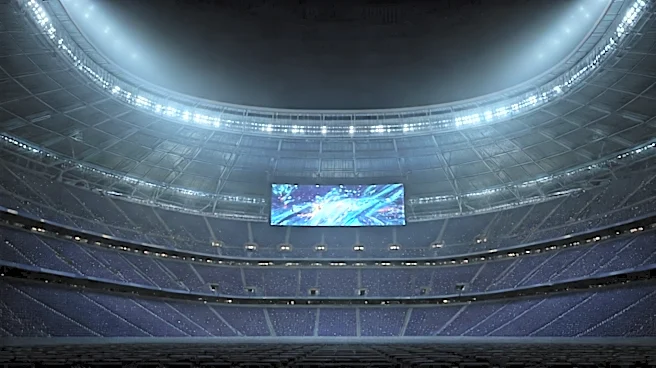
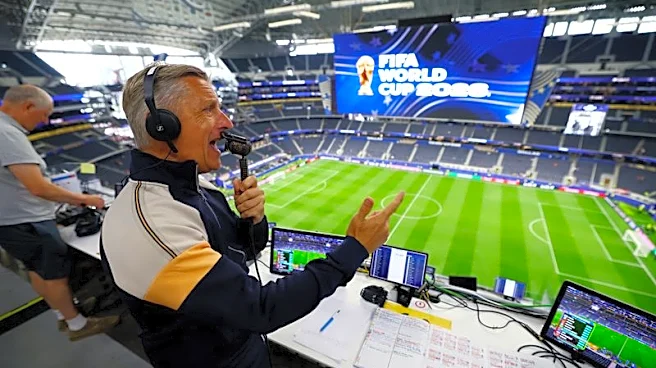
In modern sports, the screen inside the stadium is almost as important as the pitch. For the 2026 World Cup, venues like Los Angeles' SoFi Stadium and Dallas' AT&T Stadium are turning their video boards into central characters of the broadcast. SoFi features
the double-sided "Infinity Screen," a 70,000-square-foot behemoth that hangs over the field, ensuring every fan—and thus, every wide camera shot—is drenched in crisp replays and graphics. Similarly, AT&T Stadium's giant suspended display was once the world's largest and remains a dominant feature. Broadcasters can incorporate these massive, high-definition displays into their coverage, creating a show-within-a-show that gives viewers at home a sense of the immense scale and in-venue energy. It’s no longer just a game; it’s a fully integrated visual experience.
Picture-Perfect Indoor Arenas
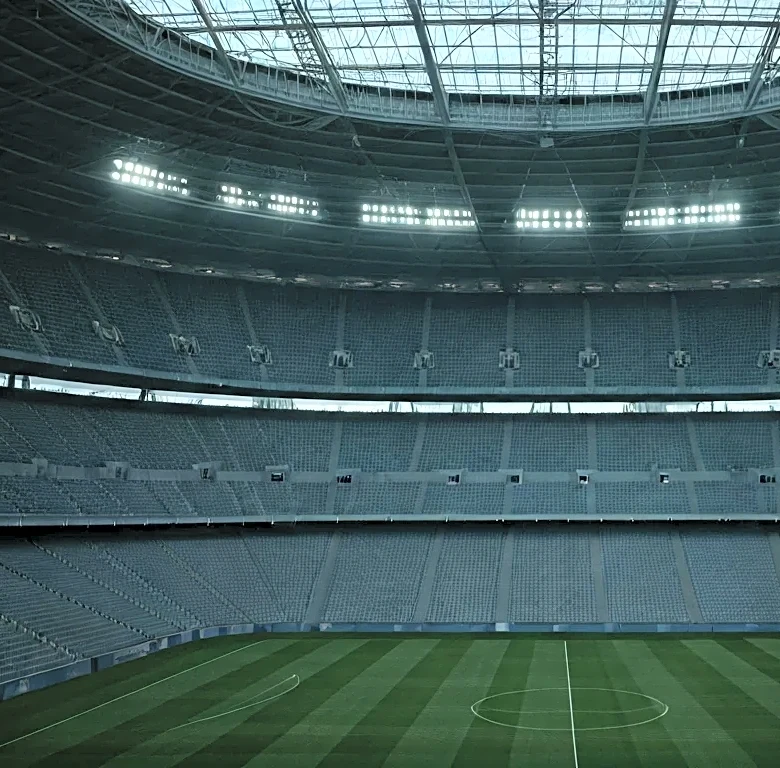
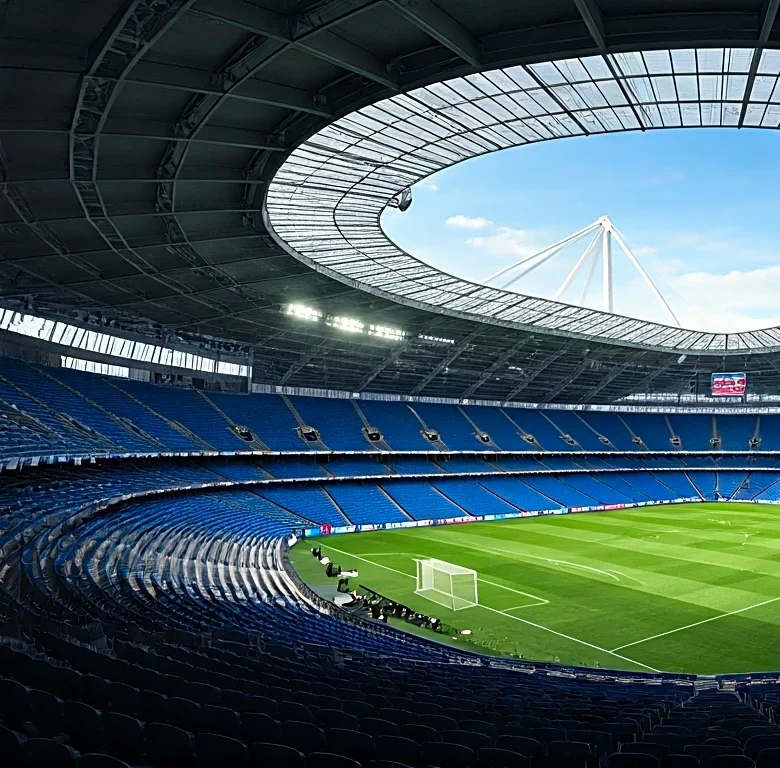
One of the biggest variables for a TV director is weather. Harsh shadows, pouring rain, or intense heat can ruin a perfect shot. Several 2026 venues eliminate that problem entirely. Stadiums in Atlanta, Dallas, Los Angeles, and Vancouver feature retractable or fixed roofs, creating controlled, indoor environments. Atlanta's Mercedes-Benz Stadium, for instance, has a stunning roof that opens like a camera aperture, while SoFi's translucent canopy allows for climate control while bathing the pitch in diffused, even light. For television, this is a game-changer. It guarantees perfect, consistent lighting for UHD and 4K broadcasts, making colors pop and allowing cameras to capture every detail without battling the elements. The result is a cleaner, more vibrant, and more cinematic viewing experience from the first minute to the last.
New Angles for New Drama
This World Cup's broadcast will be the most technologically advanced in history, with Host Broadcast Services deploying a baseline of 45 cameras per match. This arsenal includes familiar tools like polecams and cablecams that fly over the action, but it also features new perspectives designed to heighten the drama. Referee-worn body cameras, enhanced with AI-powered stabilization, will offer viewers an on-field perspective during key moments, making a contentious foul call or a crowded penalty box feel immediate and visceral. Furthermore, stadiums are being adapted to provide more space for these specialty cameras around the pitch. This hybrid production model, mixing on-site crews with a centralized hub in Dallas, allows for unprecedented coverage that brings fans closer to the game's emotion and intensity than ever before.
A Grand Finale Stage
The tournament final will unfold at MetLife Stadium, rebranded New York New Jersey Stadium for the event, and it has undergone a massive transformation to prepare for its close-up. While already one of the NFL's largest venues, it wasn't built for soccer's specific needs. To meet FIFA requirements, 1,740 seats were temporarily removed from the lower corners to widen the field, providing necessary space for players and broadcast equipment. The stadium also installed a sophisticated natural grass pitch over its usual artificial turf, complete with complex drainage and irrigation systems to ensure a perfect surface. The venue's video boards and audio systems were also upgraded to meet international broadcast standards, ensuring the tournament's climactic match is presented on a scale befitting the world's biggest sporting moment.
The Wall of Sound and Color
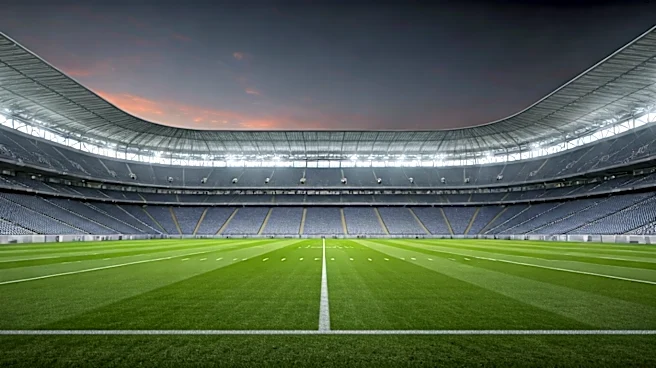
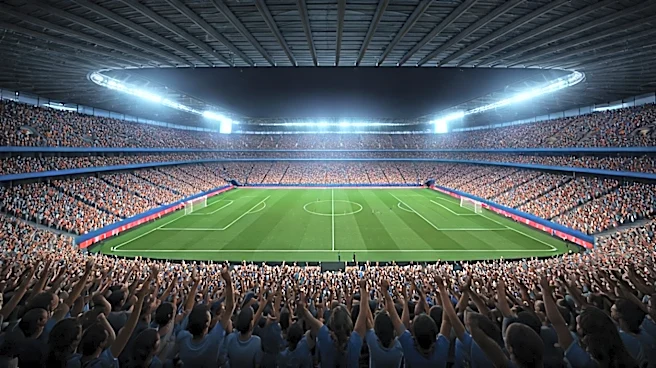
Sometimes, the most impressive visual isn't a piece of technology but the sheer human scale of the event. With a capacity of over 94,000 for the tournament, Dallas' AT&T Stadium is the largest venue, but others like MetLife (82,500) and Mexico City's Estadio Azteca (87,000) are not far behind. The expanded 48-team format means a more diverse array of fans will fill these colossal bowls. For the TV audience, this translates into a breathtaking mosaic of color, passion, and energy. Camera crews are trained to capture the sweeping crowd shots and emotional cutaways that define the World Cup experience. The massive, steep seating bowls of these modern stadiums create a wall of fans that serves as a powerful, dynamic backdrop, amplifying the spectacle and reminding everyone at home of the global significance of every kick.