



The Foundation of a Flawless Day
The secret to a look that lasts isn't caking on product; it's starting with a thoughtful base. Celebrity makeup artists often begin with meticulous skin prep, ensuring the face is exfoliated and moisturized. This creates a smooth canvas. Next comes a primer,
which acts as a barrier for makeup to adhere to and can blur pores. For a long day of press junkets and appearances, many pros opt for a lightweight, long-wearing foundation applied in thin layers rather than one heavy coat. The goal is to create a base that looks like real skin in natural light but is substantial enough to be built upon later. Setting sprays are often used at multiple stages—before and after foundation, and again after powder—to lock everything in place from the very beginning.
Daytime Eyes: Definition Without Drama
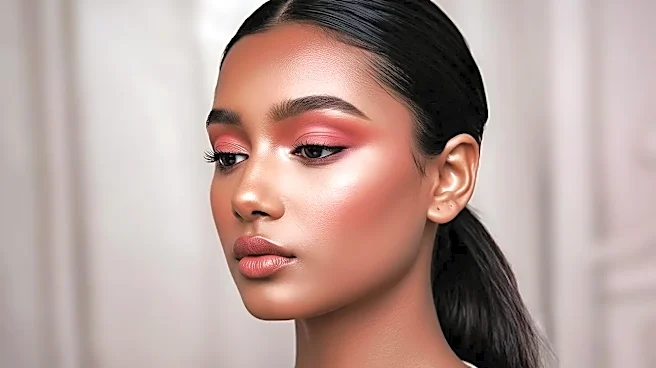
For daytime events, the focus is on polished definition. Eyes are typically defined with neutral tones like soft browns, taupes, or peaches. The makeup needs to be present and professional for daytime cameras and interviews without appearing overly dramatic. A quality eyeshadow primer is non-negotiable to prevent creasing over many hours. Mascara application is key; some artists start with a lash primer to help hold the curl and then apply a deep black mascara, focusing the product at the roots to avoid weighing down the lashes. This creates a look that opens up the eyes effectively for daylight but leaves room for evening amplification.
The Evening Transition: Building on the Base
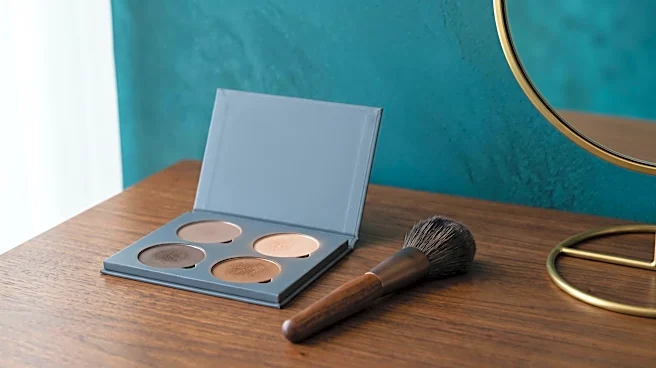
The transition from day to night doesn't require starting over. Instead, it's about strategic additions. After blotting away any excess oil that has accumulated, artists will refresh the base. This might involve a light touch-up with concealer or a dusting of translucent powder, often applied with a puff to press it into the skin and prevent makeup from settling into lines. This is also the moment to deepen the contour and blush to give the face more dimension under evening lights. What was a soft daytime sculpt becomes a more defined, glamorous structure ready for the red carpet.
Mastering the Flash: Avoiding Photo Fails
Flash photography presents a unique set of challenges, with the most notorious being "flashback," where under-eye areas or parts of the face appear stark white in photos. This is often caused by light-reflecting ingredients, including some SPF and silica powders. To combat this, artists are strategic with powder, using matte or translucent formulas and avoiding over-application. They also add depth back into the face that the flash can strip away. Eyes are intensified by layering darker eyeshadows like bronze or charcoal over the daytime base and perhaps adding a winged liner. Highlighters are applied with precision, often using a cream or liquid layered under a powder for a glow that looks lit from within rather than just sitting on the skin.
The Final Touch: A Bold Lip for Night
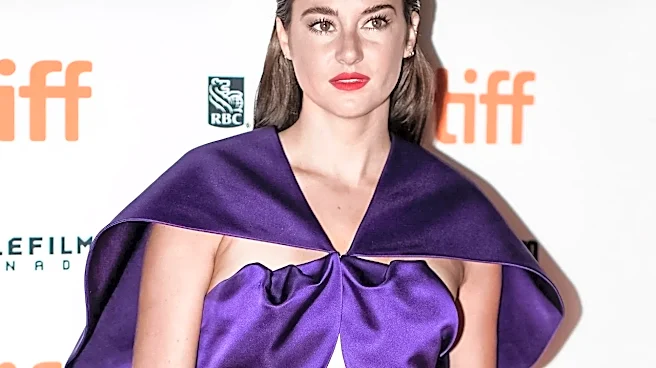
One of the fastest ways to signal the shift from a day to an evening look is by changing the lip color. A neutral daytime lip is often swapped for a bold red, a deep berry, or a rich plum. To ensure it lasts through the night, professionals meticulously line the lips, sometimes filling them in entirely with the liner for a durable base. A layer of lipstick goes on top, followed by blotting. For extra impact and comfort, a hydrating gloss can be applied to the center of the lips, giving a plump, dimensional look without compromising the defined edges.