
A Big Tent, Not a Tiny Box
First, let's get the definition out of the way—or embrace its lack thereof. The Americana Music Association (AMA) itself describes the sound as a blend of "country, folk, blues, soul, bluegrass, gospel, and rock." That’s less a genre and more of a musical
potluck. It’s a home for artists who don’t fit neatly into the polished, commercialized lanes of modern country or pop radio. Think of it as a disposition, a commitment to storytelling and musical roots rather than a strict set of sonic rules. The common thread isn’t a specific chord progression; it's an authenticity that values where the music came from. As one observer noted, it’s a space where artists can be “left of pop; grittier than country, more tender than rock.” This big-tent approach was intentional from the start, created in the 1990s as a radio format for brilliant songwriters like Lucinda Williams and Steve Earle who were no longer served by a Nashville focused on arena-sized pop-country.
Home for the Rebels and Refugees
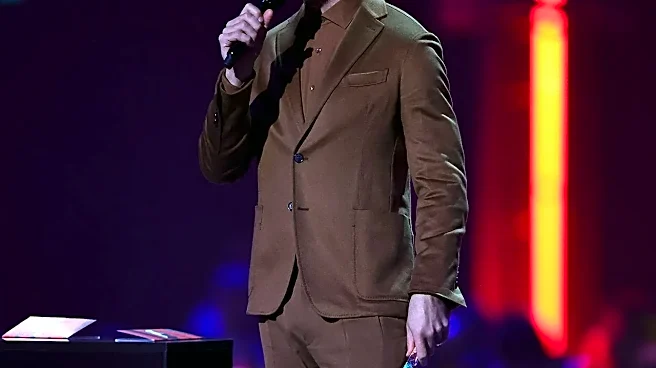
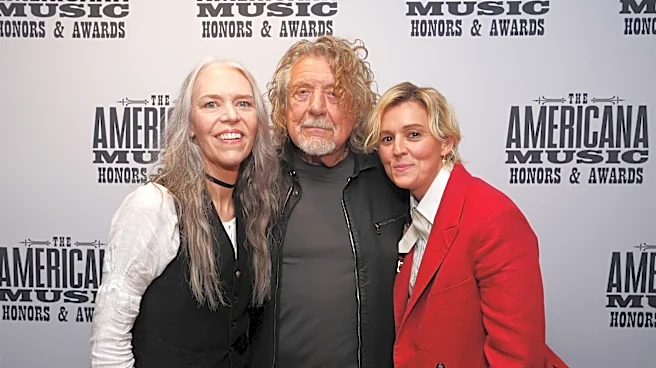
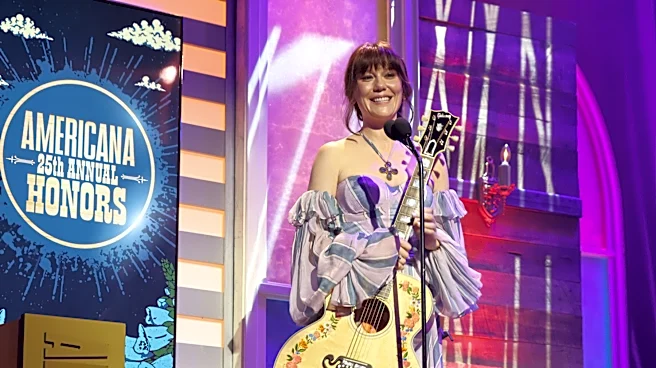
The artists celebrated under the Americana banner often have one thing in common: they don't quite belong anywhere else. Take a look at the 2026 Americana Awards. You have bluegrass virtuoso Molly Tuttle winning Artist of the Year, the raw and poetic Tyler Childers taking home Album of the Year, and the iconic Brandi Carlile earning Song of the Year. In the same ceremony, rock and roll legends like Robert Plant and Tom Petty & The Heartbreakers were honored with Lifetime Achievement awards. This isn’t a contradiction. Americana has become a haven for a wide range of singer-songwriters—from the folk-leaning Gillian Welch & David Rawlings to country-rockers Flatland Cavalry. It's a community for artists who prioritize lyrical depth and musicianship over chasing trends. For many, the label provides a home base in an industry that increasingly demands artists pick a single, marketable lane. It’s the place where country can get a little more rock, folk can plug in an electric guitar, and soul can pick up a banjo.
Reflecting How We Really Listen
The genre's fluidity also perfectly mirrors modern listening habits. In the age of streaming, fewer people stick to a single genre. We build playlists based on mood, energy, and feeling, letting an algorithm serve up a folk ballad next to a 70s rock anthem and a contemporary R&B track. The very idea of rigid genre walls is becoming obsolete to the average listener. Americana artists are simply creating music that reflects this reality. They draw from the deep well of American musical traditions without being constrained by them. Acts like The Lumineers and Mumford & Sons brought this roots-based, genre-blending sound to a massive mainstream audience in the 2010s, proving there was a huge appetite for music that felt both timeless and new. The success of artists who move freely between country, folk, and pop—like Taylor Swift with her albums folklore and evermore—further underscores that audiences are more open-minded than industry categories often suggest.
The Sound of America Itself
Ultimately, the reason Americana artists keep blurring boundaries is because that's what American music has always done. The term "Americana" itself refers to the vast cultural heritage of the United States—a blend of traditions, stories, and artifacts. From its inception, American popular music has been a fusion. Blues, gospel, and Appalachian folk music collided to create country and rock and roll. The Elvis Presley who married "hillbilly music" with R&B was, in essence, creating a form of Americana. The genre today is simply a continuation of that legacy. It's not that the artists are confused about what they are; it’s that they understand exactly what American music is: a rich, messy, and constantly evolving conversation between the past and the present. The genre isn't losing its identity; its identity is the blur itself.