




The Mid-Range Promise: Accessible and On-Trend
Mid-range brands, like J.Crew, Madewell, or Banana Republic, are the backbone of many modern wardrobes. Their wrap tops typically retail anywhere from $70 to $200 and offer a fantastic entry point into the style. You're paying for a contemporary design
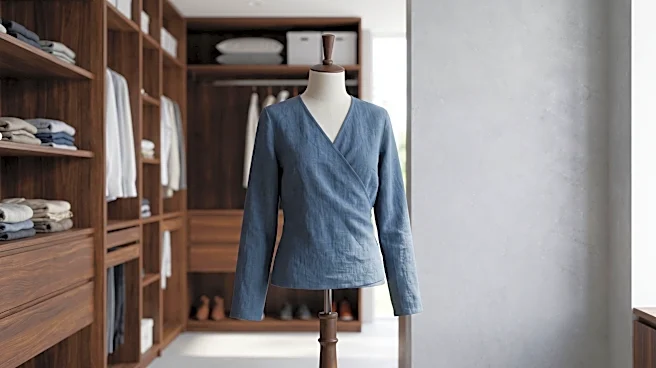
that captures the essence of the wrap's appeal: the cinched waist, the V-neck, and the easy-to-wear functionality. The fabrics are often dependable and comfortable, like cotton jersey, viscose blends, or high-quality polyester that mimics the feel of silk. These brands excel at delivering current colors and prints, making them ideal for trying out a seasonal trend without a major financial commitment. While the construction is solid for the price, it’s generally more straightforward than what you’d find in a luxury piece.
The Premium Pledge: Heritage and Superior Craftsmanship
When you enter the premium space—think Diane von Furstenberg, the originator of the modern wrap dress, or brands like Zimmermann and Veronica Beard—you're not just buying a top; you're investing in design heritage and superior craftsmanship. Prices can range from $250 to over $800. This price reflects the cost of premium raw materials, the complexity of manufacturing, and rigorous quality control. Diane von Furstenberg popularized the style in the 1970s with her silk jersey wrap dress, a piece that symbolized freedom and effortless elegance for a new generation of women. That legacy continues in premium versions today, which are designed to be cornerstone pieces that last for years.
Head-to-Head: The Fabric
The most significant difference between price points is almost always the fabric. A mid-range top might use a cotton-elastane blend or a polyester satin—functional and attractive, but they may not offer the same longevity or luxurious feel. Premium brands invest in higher-grade materials that fundamentally change how the garment wears. A Diane von Furstenberg top is often made from 100% silk or a silk jersey blend, which offers unparalleled softness, fluidity, and breathability. Other luxury brands might use fine merino wool, Tencel Lyocell, or cupro. These materials have a more graceful drape, hold color better over time, and feel noticeably more comfortable against the skin. While a mid-range top looks great, a premium one often feels exceptional.
Head-to-Head: The Fit and Construction
Fit is where the subtle engineering of a premium top becomes clear. A common issue with lower-priced wrap tops can be gaping at the neckline. Premium designers often solve this with hidden snap closures, more precise pattern cutting, and fabric with just the right weight and drape to stay in place. The construction details also reveal the price difference. On a mid-range top, you'll likely find standard serged or overlocked seams on the inside—perfectly functional, but not a luxury detail. A premium top is more likely to feature French seams or bound edges, which are more labor-intensive and result in a cleaner, more durable finish inside and out. This superior construction ensures the top holds its shape wear after wear, wash after wash.
The Verdict: When to Save and When to Splurge
So, which one should you buy? The answer depends entirely on your needs. A mid-range wrap top is a smart choice for several reasons. It's perfect if you're exploring the style for the first time, need a top for a specific occasion, or want to embrace a trendy color or pattern without a long-term commitment. You get a flattering, stylish piece that delivers on the wrap top’s promise of easy elegance. However, if you’re looking for a foundational piece to build your wardrobe around—something you’ll wear for years to the office, to dinner, and on vacation—then a premium wrap top is a worthy investment. You are paying for a superior feel, a more perfected fit, and the kind of enduring quality that can make it a beloved go-to for a decade.