


Beyond the Gray Flannel Suit
For generations, the men's uniform was synonymous with restriction. It was the corporate armor of the boardroom or the functional gear of the factory floor. Its purpose was to signify belonging and enforce conformity. What emerged from the most recent
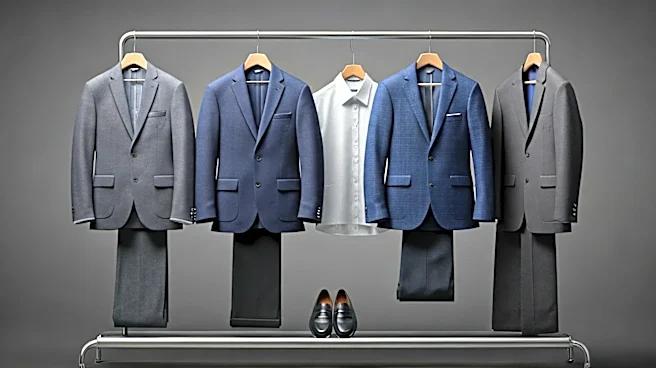
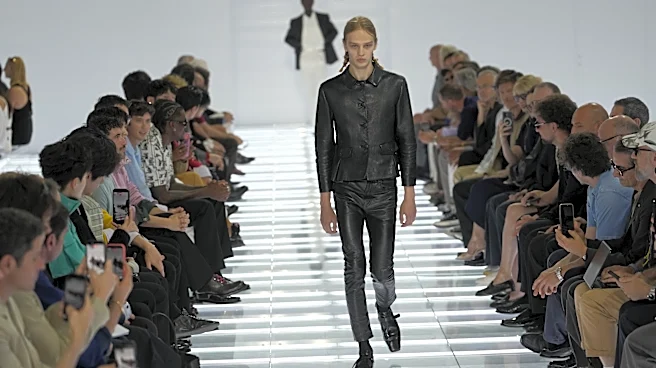
Milan Men's Fashion Week, however, was a complete inversion of this idea. Designers from Prada to Zegna presented collections that championed a new kind of uniform—one built not on institutional dress codes, but on the power of a refined, repeatable, and deeply personal wardrobe. This isn't about being forced to wear the same thing as everyone else; it's about choosing to wear your best things every day.
The Elevation of the Everyday
A key theme was the deliberate elevation of humble, workwear-inspired garments. At Prada, Miuccia Prada and Raf Simons showed clothes that felt grounded and real—impeccably cut poplin shirts, shorts that hit just right, and jackets that looked both purposeful and elegant. These were items you could imagine a person actually living and working in, just rendered in luxurious fabrics and with an artist’s eye for proportion. Similarly, Fendi’s collection included sophisticated takes on the polo shirt and beautifully structured coats that felt like modern updates to classic archetypes. The message was clear: the building blocks of a great wardrobe don’t need to be loud or fantastical. Instead, their power lies in their perfection and practicality.
Quiet Luxury Finds Its Rhythm
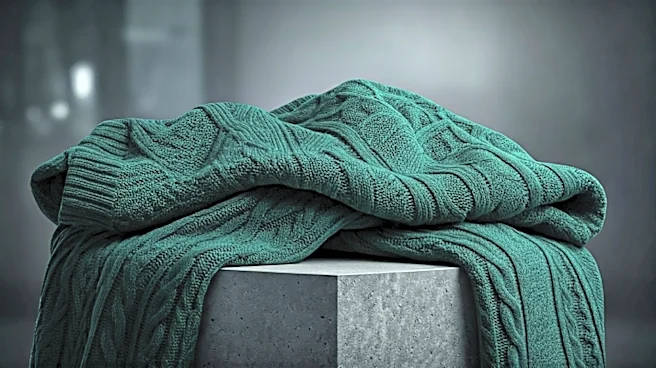
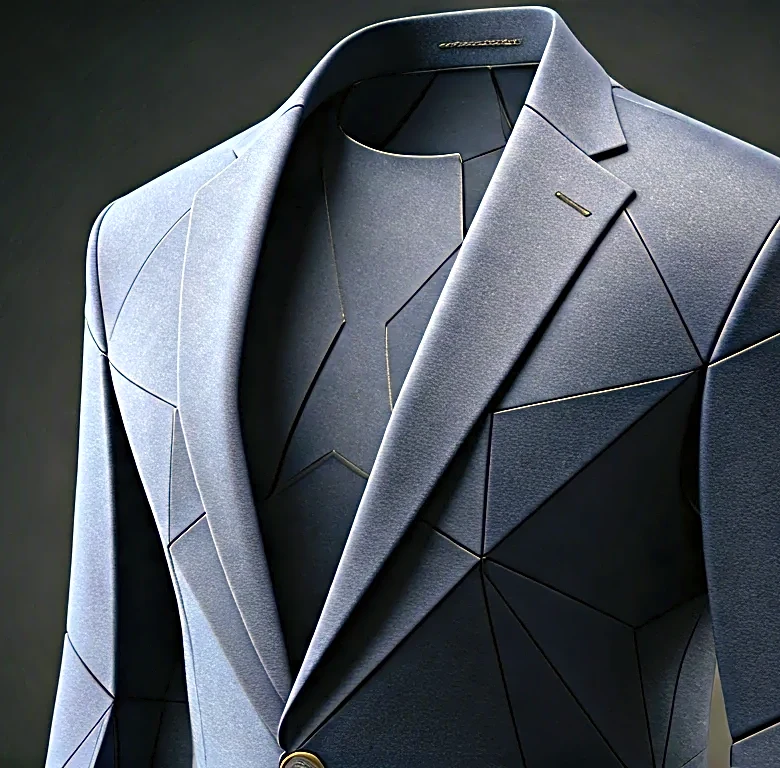
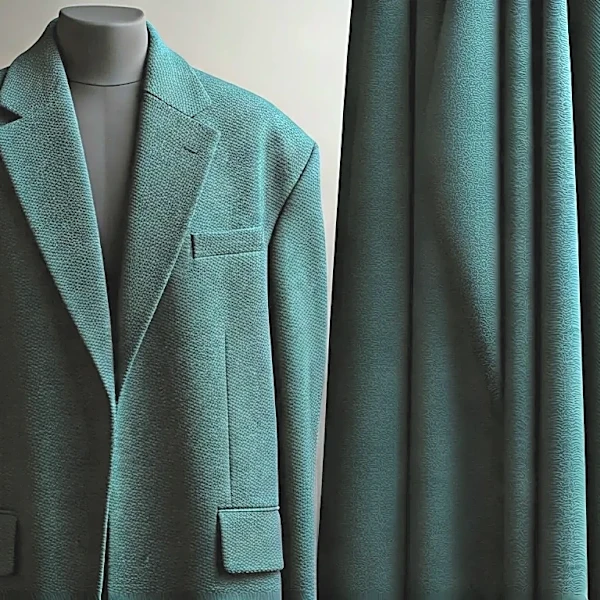
This trend can be seen as the natural evolution of “quiet luxury.” If the first wave was about acquiring discreetly expensive basics, this new chapter is about curating them into a cohesive personal uniform. No one exemplifies this better than Zegna. Under the artistic direction of Alessandro Sartori, the brand has perfected the art of the ultra-luxe, understated wardrobe. Their showcase focused on soft, deconstructed tailoring and monochromatic looks in earthy tones, creating an aura of effortless confidence. The outfits were simple—a beautifully draped knit over tailored trousers, a supple suede jacket—but the effect was profound. This is a uniform that whispers, rather than shouts, its value. It suggests a man who is so sure of his own style that he doesn’t need to change it daily.
The Psychology of a Personal Uniform
So, why is this happening now? In a world of endless choice and digital noise, the idea of a personal uniform offers a sense of calm and control. It’s a rejection of the relentless cycle of fast fashion and the pressure to constantly perform newness. Adopting a personal uniform frees up mental energy. Instead of asking “What should I wear?” every morning, the question becomes “How do I feel?” It’s a philosophy championed by creative and business leaders for decades, from Steve Jobs’s black turtleneck to Tom Ford’s signature black suit. By repeating a look, you make your clothes a background element, allowing your ideas, your work, and your personality to take center stage. The new Milanese uniform is simply a more stylish, comfortable, and expressive version of that same principle.