

It Starts From Within: Nutrition and Hydration
Healthy hair is built from the inside, and during menopause, nutritional needs shift. The decline in estrogen and progesterone—hormones that help keep hair in its growth phase longer—makes a nutrient-dense diet more crucial than ever. Hair itself is made
of protein, so ensuring an adequate intake from sources like fish, eggs, beans, and tofu is fundamental. Iron is another key player, as it helps transport oxygen to your hair follicles, and low levels can contribute to shedding. You can find it in leafy greens, lentils, and red meat. Also essential are zinc, which supports follicle health, and omega-3 fatty acids, found in salmon and flax seeds, which can help reduce inflammation. Don't forget to stay hydrated, as proper water intake supports overall health, including that of your scalp and hair.
The Foundation: A Healthy Scalp
Think of your scalp as the garden where your hair grows; its condition is paramount. During menopause, lower estrogen levels can lead to decreased production of sebum, the natural oil that moisturizes the scalp, resulting in dryness and irritation. This is where a dedicated scalp-care routine becomes essential. Start by switching to a gentle, sulfate-free shampoo to avoid stripping away natural oils. Incorporating a regular scalp massage can also work wonders. Using the pads of your fingertips for a few minutes each day can help stimulate blood circulation to the follicles, which is vital for encouraging growth. Some experts also point to the benefits of nourishing oils like rosemary or coconut oil, which can be used as a pre-shampoo treatment to soothe and hydrate a dry scalp.
Beyond the Bottle: Managing Stress and Sleep
This is perhaps the most overlooked part of any hair health routine. The hormonal shifts of menopause can be a source of stress, and high levels of the stress hormone cortisol are directly linked to increased hair shedding. This creates a frustrating cycle where stress about hair loss can actually worsen the problem. Prioritizing stress management is a non-negotiable for healthier hair. This can be as simple as a daily 20-minute walk, practicing mindfulness or meditation, or gentle yoga. Sleep is equally critical. Your body, including your hair follicles, repairs itself during deep rest. Aiming for seven to eight hours of quality sleep per night helps regulate cortisol and gives your hair the best possible environment to thrive. Creating a calming bedtime routine can make a significant difference.
Smart Styling and Gentle Handling
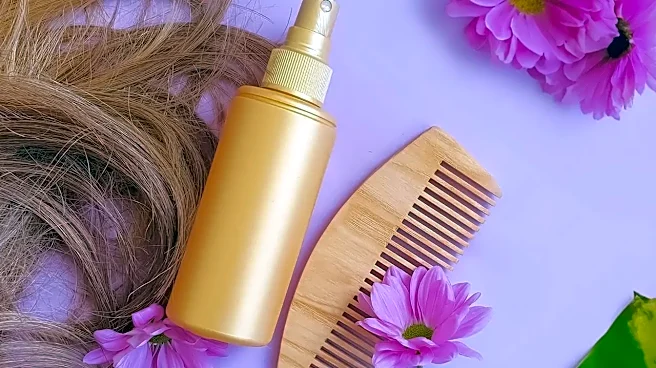
Menopausal hair can be finer and more brittle, making it susceptible to breakage. Adopting a gentle approach to styling can preserve the hair you have and prevent unnecessary damage. This means reducing the use of high-heat tools like flat irons and curling wands, which can dehydrate already-dry strands. When you do use heat, always apply a protectant spray. It's also wise to avoid tight hairstyles like high ponytails or braids that pull on the hair follicles, as this can lead to a type of hair loss called traction alopecia. Be gentle when brushing, especially when your hair is wet and at its most vulnerable. A wide-tooth comb is often a better choice for detangling. Finally, regular trims can help remove split ends and keep your hair looking fuller and healthier.