






The Freedom of Fewer Choices
The promise of streaming was a digital Library of Alexandria for film, but it often feels more like a psychological trap. This phenomenon, known as “choice paralysis,” is a documented side effect of having too many options. When faced with thousands of titles,
the effort required to make a decision can become so overwhelming that we either give up or default to something familiar. The human brain simply wasn't built to navigate an infinite catalog efficiently. A trip to the local multiplex, by contrast, offers a liberating sense of curation. The menu is limited to a dozen or so films. Instead of drowning in possibilities, you’re presented with a manageable slate. This constraint frees you from the pressure of finding the perfect movie out of thousands and instead invites you to simply pick the most interesting film available now. It transforms a frustrating, solitary scroll-session into a decisive, forward-moving action.
An Appointment with Art
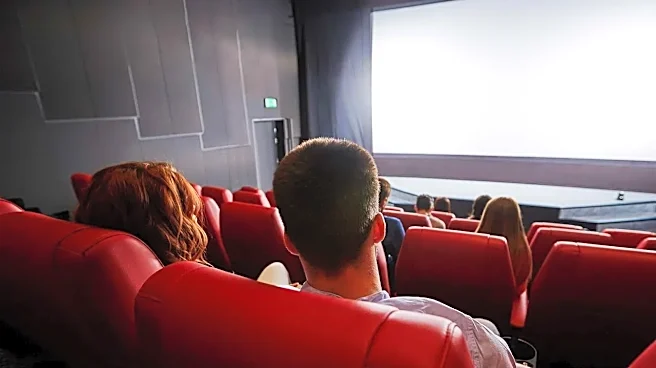
Buying a movie ticket is more than a transaction; it’s a commitment. It’s an appointment you make with a piece of art. Unlike streaming at home, where the film must constantly compete with phone notifications, household chores, and the siren song of the refrigerator, a theater demands your undivided attention. You are in a purpose-built environment designed for immersion—a dark room with a giant screen and a powerful sound system that makes you feel like you are part of the scene. This focused environment allows for a deeper engagement with the story, characters, and emotional core of the film. It facilitates a state of mindfulness, a temporary escape from daily stressors that is genuinely restorative. You’re not just passively consuming content; you are actively participating in a viewing experience, allowing the director’s vision to unfold without distraction. This commitment ensures the film has the space to make an impact, creating more vivid and lasting memories.
From Passive Viewing to Active Event
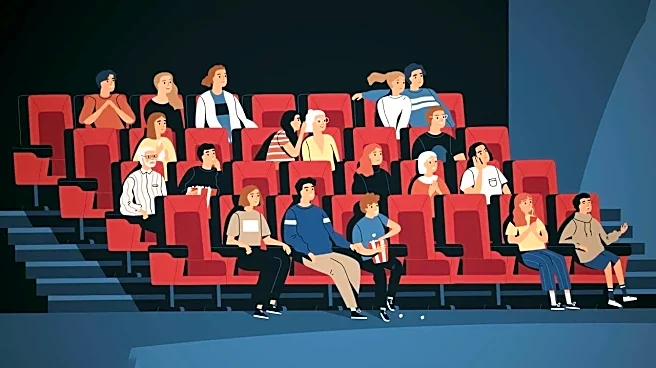
A three-movie weekend elevates film-watching from a routine pastime to a genuine event. It’s your own personal film festival. The ritual itself—coordinating with friends, the pre-movie debate over what to see, the smell of popcorn, the shared hush as the lights dim—adds a layer of social and sensory richness that streaming at home cannot replicate. This communal aspect is a powerful psychological benefit. Sharing gasps, laughter, and even tears with a room full of strangers fosters a sense of connection and belonging, combating the isolation that can come with solitary streaming. Discussing the film afterward, debating its merits and dissecting its plot twists, extends the experience and deepens your appreciation for it. It transforms a movie from something you simply watched into something you did, a shared cultural moment that becomes part of your weekend’s story.
You Are the Curator
The algorithm is designed to keep you watching, but it’s not designed to make you feel fulfilled. It suggests what is popular or similar to your past behavior, often trapping you in a comfortable but unadventurous loop. Planning a three-movie weekend puts the power of curation back in your hands. You can design a perfect cinematic meal. Perhaps you start with a matinee of a thoughtful indie drama, followed by a big-budget sci-fi spectacle in the evening, and cap the weekend with a hilarious comedy on Sunday. You’re not just accepting recommendations; you’re making intentional choices based on your mood, your interests, and your desire for a varied experience. This act of personal curation is inherently more satisfying than letting a platform’s auto-play feature decide your night for you. It’s the difference between having a chef’s tasting menu and endlessly circling a buffet.