






A Legacy of Creative Rebellion
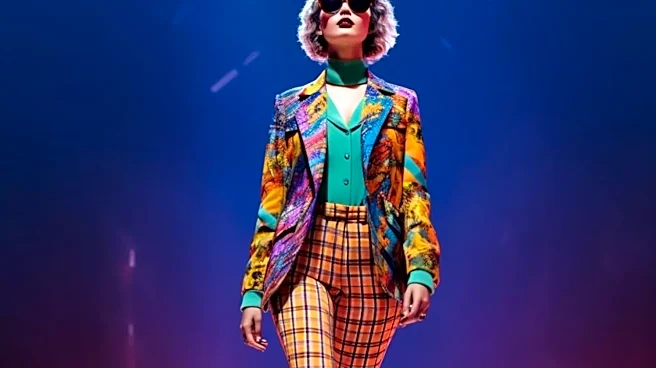
London's reputation wasn't built on legacy luxury houses in the same way as Paris or Milan. Instead, its fashion identity is rooted in street style and subculture, from the Swinging Sixties to the punk explosion of the '70s. This history created a unique
DNA—one that values conceptual, experimental, and even defiant approaches to design over polished perfection. Where other fashion capitals prioritize refinement, London has always celebrated the shock of the new. This rebellious spirit is the bedrock of its appeal for young designers who want to push boundaries rather than fit into a commercial mold. The city's very fabric, from its diverse neighborhoods to its vibrant arts and music scenes, provides a constant source of inspiration that allows creatives to feed off its energy.
The Educational Powerhouse
You can’t talk about London fashion without talking about its world-renowned art schools. Institutions like Central Saint Martins and the London College of Fashion are legendary talent factories. Their influence goes beyond technical skill; they are known for teaching a research-led, questioning approach to design. Students are encouraged to develop a strong point of view and engage with art, culture, and socio-political issues, rather than just focusing on creating sellable garments. This focus on critical thinking and developing a unique voice prepares graduates to be innovators. The success of alumni like Alexander McQueen, John Galliano, and Simone Rocha creates a powerful feedback loop, drawing the next generation of ambitious global talent to the city.
An Unrivaled Support System
A great education isn't enough if a designer can't afford to produce a collection. This is where London’s ecosystem truly shines. It has a robust infrastructure specifically designed to nurture talent after graduation. The British Fashion Council’s (BFC) NEWGEN program, founded in 1993, is a cornerstone of this support, offering financial grants, mentorship, and a coveted spot on the London Fashion Week schedule. Since its inception, it has helped launch the careers of over 400 designers. Another key player is Fashion East, a non-profit incubator started in 2000 by Lulu Kennedy, which has provided a crucial platform for now-famous names like Kim Jones, Martine Rose, and JW Anderson. These organizations act as a bridge from the classroom to the global stage, something other fashion capitals don't offer in such a structured way.
A Culture That Craves Newness
This entire system works because the London fashion scene—from press to buyers—has an appetite for risk. London Fashion Week is famous for championing young designers, often prioritizing fresh perspectives over the guaranteed commercial success of established brands. This creates an environment where a designer can make a name for themselves based on creativity alone. Furthermore, dedicated creative hubs and initiatives like the Fashion District in East London foster collaboration between fashion, technology, and business, helping designers innovate in areas like sustainability. This forward-thinking mindset, combined with a multicultural city that provides endless inspiration, makes London a place where new ideas are not just welcomed, but expected.
The Challenges in the Creative Capital
Despite its strengths, life as a young designer in London is not without its difficulties. Many graduates struggle to find their footing in an industry with a weaker manufacturing base compared to Milan or Paris. The city's notoriously high cost of living is a significant hurdle, with many designers living modestly and reinvesting every penny back into their studios. The pressure to constantly stay relevant and present a new point of view, season after season, can be immense for a small brand trying to build a healthy business. Yet, for all its challenges, the city's unique combination of institutional support and creative energy remains an unparalleled magnet for fashion's next wave.