


The Stripped-Down Reinvention
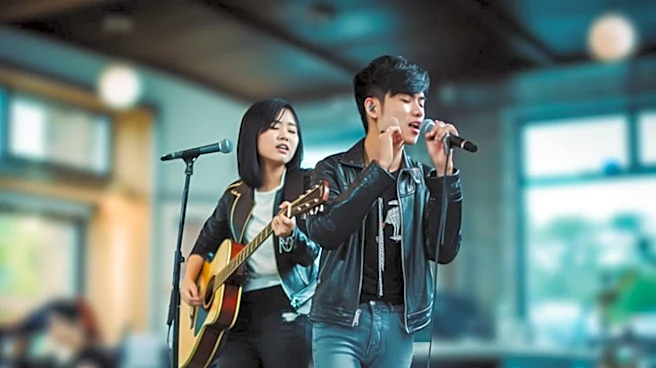
One of the most powerful moves an artist can make at Newport is subtraction. You know that massive, layered studio track with synths, drum machines, and a wall of guitars? Hearing it performed with just an acoustic guitar and a voice is a revelation.
This isn't laziness; it's a deliberate choice to peel back the production and expose the song's bones. Listen for artists who quiet their own anthems. When a thumping pop song becomes a delicate ballad, the lyrics land with new weight. The space between the notes becomes as important as the notes themselves. It’s an act of trust, both in the song and in the audience's ability to listen closely. A great stripped-down arrangement proves that a well-written song doesn't need to hide behind production.
The Spontaneous Collaboration
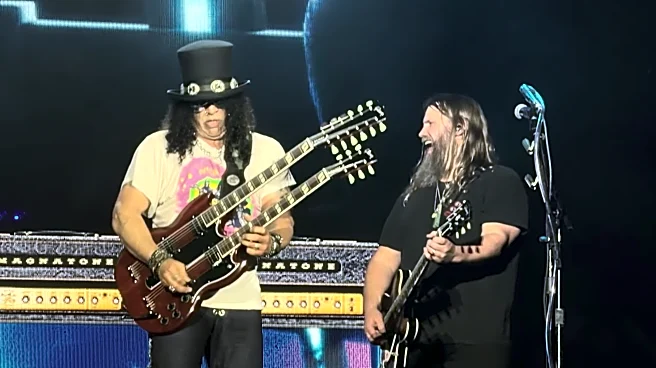
Newport is famous for its “who’s-that-on-stage?” moments. These aren’t just fun cameos; they are live arrangement decisions happening in real time. A surprise guest with a different vocal texture or instrumental style can completely reshape a song. When listening, focus on how the guest changes the original dynamic. Does their harmony add a layer of melancholy or joy? Does a guest fiddle player from a bluegrass band introduce a frantic new energy to a quiet folk song? These collaborations are the living embodiment of Newport's communal spirit. The best ones aren't just an all-star jam; they are conversations between artists, where the original song is a starting point for a new, one-time-only creation.
The Rhythmic and Genre Shift
Sometimes the most radical change has nothing to do with the melody or lyrics, but the pulse of the song itself. A slow, mournful waltz can be reborn as an upbeat, stomping anthem that gets the whole crowd moving. Conversely, a frantic rock song might be slowed to a crawl, its aggressive energy transformed into simmering tension. Pay attention to the rhythm section. Is the drummer playing with brushes instead of sticks for a softer feel? Has a simple 4/4 beat been replaced with a more complex, syncopated rhythm? This is where artists play with expectations, borrowing from genres outside their own. A folk singer might incorporate a soul groove, or a rock band might adopt the sparse instrumentation of traditional bluegrass, expanding the very definition of “folk” music.
The Instrumental Swap-Out
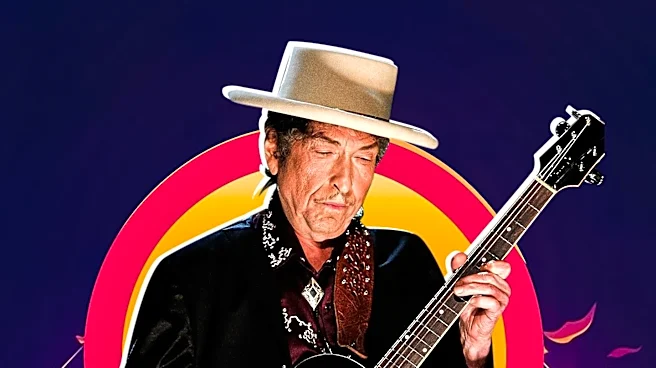
The instrumentation is the color palette of a song, and at Newport, artists often bring a different set of paints. The most famous example in festival history is Bob Dylan “going electric” in 1965, a moment that fundamentally changed the sound of popular music. The principle still applies. Listen for how a change in instrumentation affects the song's mood. Replacing a distorted electric guitar with a warm cello, for example, can turn a song of protest into a song of mourning. Adding a banjo or mandolin can instantly connect a modern song to a century of American tradition. These choices are never random; they're a deliberate effort to re-contextualize the song and give the audience a fresh way to hear something they thought they knew.
The Lyrical Update or Added Verse
Folk music has always been a vehicle for storytelling and social commentary. A special Newport set often includes a nod to this tradition through updated lyrics or a newly written verse. An artist might change a line to reflect a current event, add a verse that speaks to the specific setting of Fort Adams, or reframe an old song to show how their own perspective has evolved. This is the “folk process” in action—the idea that songs are living things that can change over time. These lyrical tweaks are gifts to the attentive listener. They transform the performance from a simple recitation into a timely, present-tense statement, making the song feel urgent and essential right now.